BBC Middle East
centerREPORTUS and Iran trade fire after two US soldiers killed in Jordan
Full BriefGenerated 1d ago
What Happened
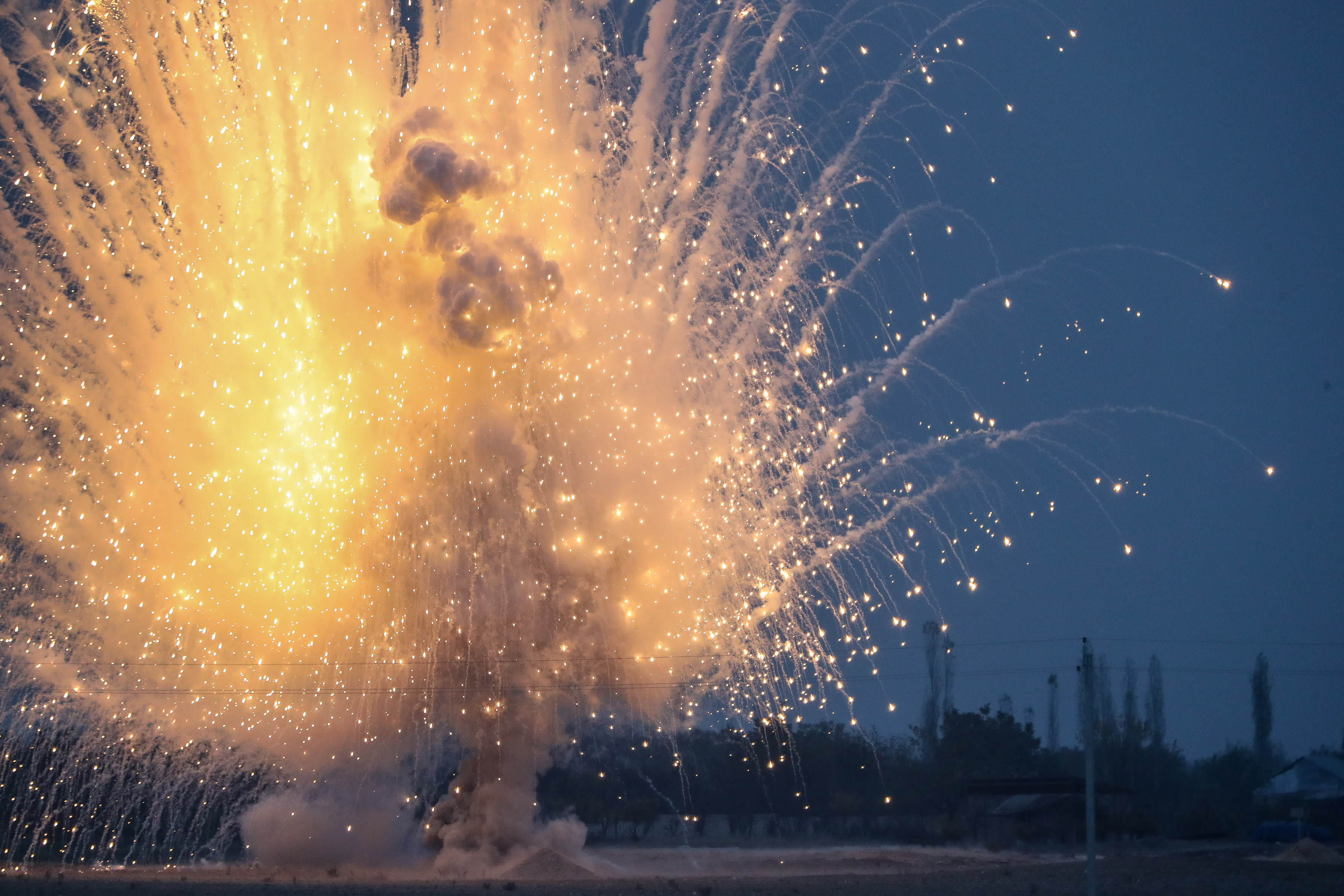
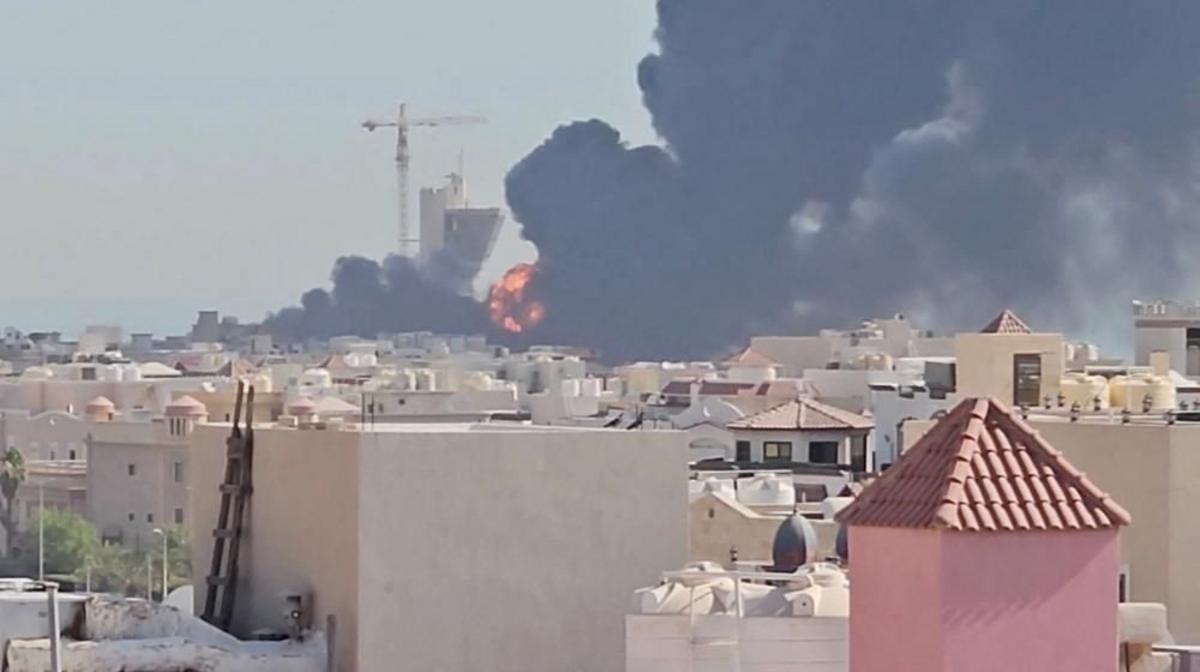
On Saturday night, the US launched airstrikes against Iranian coastal surveillance and air defence facilities, targeting IRGC capabilities in retaliation for an Iranian ballistic missile and drone attack that killed two US service members in Jordan on Friday. US Central Command stated the strikes hit Qeshm Island in the Strait of Hormuz and were designed to degrade Iran's ability to threaten commercial shipping. In response, Iran's army claimed drone attacks on two US bases in Kuwait, Camp Udairi and Ali Al Salem Air Base, according to IRGC-affiliated Tasnim news agency. The US also declared a Navy pilot missing earlier this month as dead, raising the US toll to 16. Iran's health ministry reported at least 50 killed and over 500 injured in US strikes over three weeks. The exchanges follow the collapse of a preliminary June ceasefire, with Washington reimposing a port blockade and Tehran declaring the Strait of Hormuz closed.
Key Actors
- ·US Central Command (Centcom)(Combatant command responsible for US military operations in the Middle East)Launched strikes on IRGC coastal surveillance and air defence sites in retaliation for the Jordan attack, stating intent to punish IRGC forces and degrade Iranian military capabilities.
- ·Islamic Revolutionary Guard Corps (IRGC)(Iranian military branch with external operations and coastal defence responsibilities)Accused by Centcom of launching the ballistic missile and drone attack that killed two US troops in Jordan; its facilities on Qeshm Island were struck.
- ·Iran's Army (Artesh)(Regular Iranian military, distinct from the IRGC)Claimed drone attacks on Camp Udairi and Ali Al Salem Air Base in Kuwait in response to US strikes.
- ·Supreme Leader Ali Khamenei(Iran's highest political and religious authority)Issued a written statement condemning US breaches of the preliminary ceasefire, declaring the US president's signature 'utterly worthless and devoid of credibility'.
Why It Matters
This marks a significant direct escalation between US and Iranian forces, with confirmed US casualties on Jordanian soil and reciprocal strikes targeting critical infrastructure. The collapse of the ceasefire and the closure of the Strait of Hormuz threaten global energy transit and regional stability. The involvement of IRGC ballistic missiles and US strikes on Iranian territory raises the risk of a broader conflict drawing in Iranian proxies across the Middle East, as well as Gulf states affected by the strikes on Kuwait.
Watch For
Monitor further US strikes and Iranian retaliatory actions, especially around the Strait of Hormuz and US bases in the region. Watch for updates on the missing US service member and potential diplomatic interventions by Oman or other mediators. The Gulf Cooperation Council's accusation of Iranian attacks on civilian infrastructure may lead to a unified GCC response. Also track IAEA and nuclear deal developments, as military escalation could derail any remaining backchannel negotiations.
Generated 1d ago · Based on full articleAuto-Compiled
This page aggregates and summarizes reporting from BBC Middle East. The Conflict Pulse does not author original reporting. Read the original source for full coverage.
CONFLICT OVERVIEW
Iran
Latest verified updates on Iran’s regional confrontation, U.S.–Israeli strikes, missile retaliation, proxy networks, sanctions, and Strait of Hormuz risks.
SOURCE PERSPECTIVES
How outlets across the bias spectrum are covering this conflict.
LATEST FROM IRAN