
The Guardian Europe
leftREPORTUkraine war briefing: Putin expects US negotiators in Moscow; fuel rationing in Siberia as crisis bites
Full BriefGenerated 83d ago
What Happened
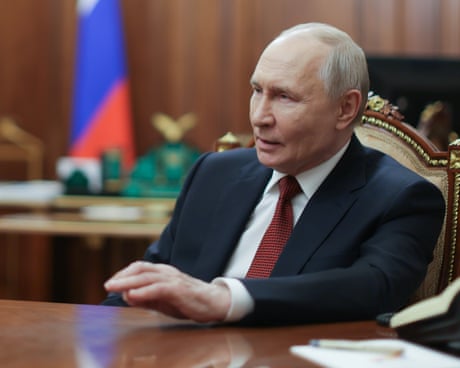
Vladimir Putin stated he expects US negotiators to travel to Moscow once Washington reaches an agreement with Iran over the Middle East conflict, saying Russia is ready to continue negotiations and discuss all details. The comment followed Donald Trump's suggestion that Russia should 'make a deal with Ukraine' and his subsequent assessment that Volodymyr Zelenskyy was 'doing well' in the war. Separately, Putin acknowledged a 'certain shortage' of fuel resulting from Ukrainian retaliatory strikes on energy infrastructure, calling the situation 'not critical' but noting that improving air defences and protecting fuel supplies, particularly in Russian-occupied Crimea, is a priority; fuel deliveries to Crimea by land and sea will be increased. The governor of Siberia's Irkutsk region, Igor Kobzev, imposed a ration of 50 litres of fuel per vehicle per day at state-run Rosneft stations as shortages spread, while Deputy Prime Minister Alexander Novak said Moscow was reviewing fuel export agreements to safeguard domestic supplies. Zelenskyy claimed Ukrainian forces struck two Russian oil refineries over the weekend: a drone strike on the Slavyansk-na-Kubani refinery in Krasnodar region killed one person and wounded another, and a strike on a refinery in Yaroslavl region, around 700 km from the Ukrainian border, was reported, with local governor Mikhail Evraev closing roads due to an enemy drone attack. Russia's Defence Ministry said its forces shot down 213 Ukrainian drones overnight over Russia, occupied Crimea, and the Black and Azov seas; Ukraine's air force reported downing 125 of 142 long-range strike drones and seven of eight missiles launched by Russia. In Zaporizhzhia, a Russian attack killed two people and injured 16, including two children, according to regional administration head Ivan Fedorov; in Belgorod, acting governor Alexander Shuvayev said Ukrainian drone strikes killed one and injured another.
Key Actors
- ·Vladimir Putin(President of Russia)Expressed readiness for US negotiations and acknowledged fuel shortages from Ukrainian strikes, ordering increased fuel deliveries to Crimea.
- ·Volodymyr Zelenskyy(President of Ukraine)Claimed Ukrainian forces struck two Russian oil refineries, stating each strike reduces resources fueling Russia's war machine.
- ·Igor Kobzev(Governor of Irkutsk region, Siberia)Implemented fuel rationing of 50 litres per vehicle per day at Rosneft stations due to spreading shortages.
- ·Russian Ministry of Defence(Defence ministry of Russia)Claimed its forces shot down 213 Ukrainian drones overnight over Russian and occupied territories.
Why It Matters
Putin's diplomatic signal suggests a possible opening for US-brokered talks, but it is conditional on a separate Middle East deal, while Trump's shifting comments add uncertainty. Meanwhile, Ukraine's sustained campaign against Russian energy infrastructure is creating tangible domestic pressure: forced fuel rationing in Siberia indicates the strikes are disrupting supply chains far from the front lines. Moscow's acknowledgment of a shortage and the need to boost air defences in Crimea underscore the operational impact, potentially constraining Russian military logistics and forcing resource reallocation.
Watch For
Monitor announcements from Washington on sending negotiators to Moscow; any further fuel rationing measures in other Russian regions; the frequency and reach of Ukrainian drone strikes on refineries; Russia's adjustments to air defence coverage around energy infrastructure; and whether the fuel crisis triggers changes to Russia's export policies or domestic unrest.
Generated 83d ago · Based on full articleAuto-Compiled
This page aggregates and summarizes reporting from The Guardian Europe. The Conflict Pulse does not author original reporting. Read the original source for full coverage.
CONFLICT OVERVIEW
Ukraine–Russia
Latest verified updates on Russia’s war in Ukraine, frontline shifts, drone warfare, Western support, occupied territories, and ceasefire diplomacy.
Active since February 2014
SOURCE PERSPECTIVES
How outlets across the bias spectrum are covering this conflict.
LATEST FROM UKRAINE–RUSSIA
DEVELOPINGUkrainska Pravda4h ago
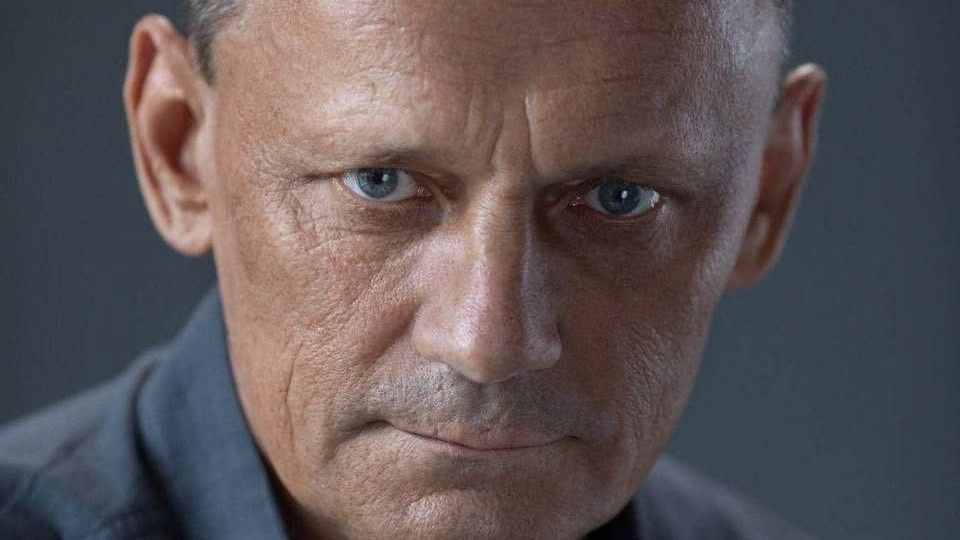
Former Kremlin political prisoner Mykola Karpiuk killed in action
DEVELOPINGUkrainska Pravda5h ago
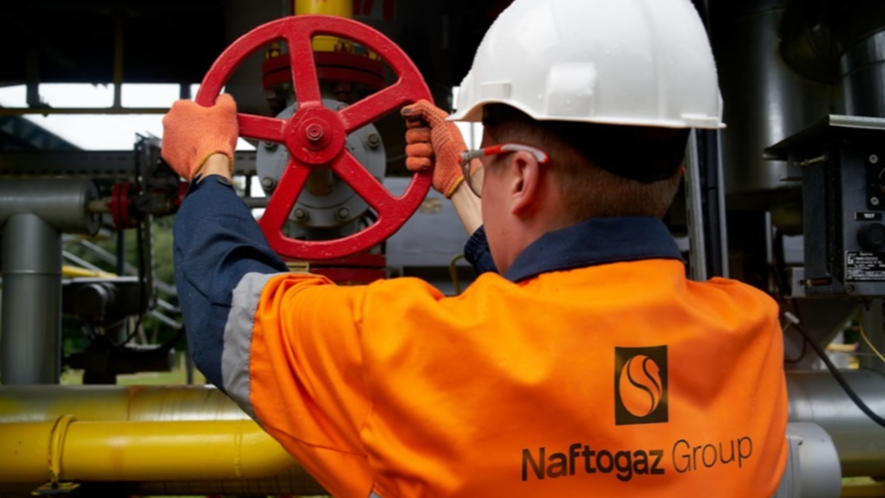
Ukraine signs memorandum on gas storage in Hungary – Naftogaz
DEVELOPINGUkrainska Pravda5h ago
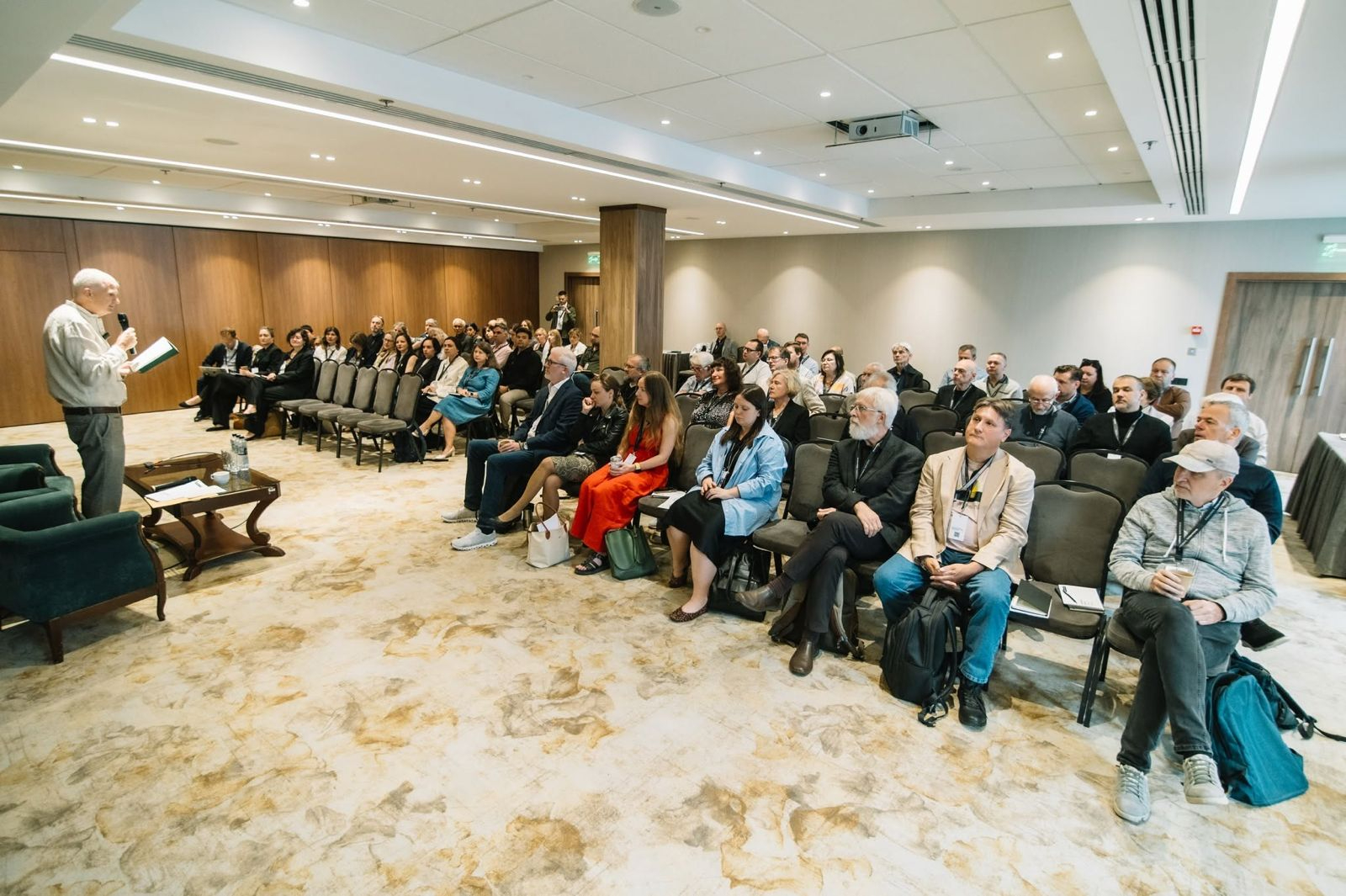
Ukraine’s history as part of world history: What 200 researchers led by Timothy Snyder are creating

DEVELOPINGBBC Europe7h ago
Largest attack on Moscow sees Ukraine fire hundreds of drones, mayor says
DEVELOPINGUkrainska Pravda8h ago
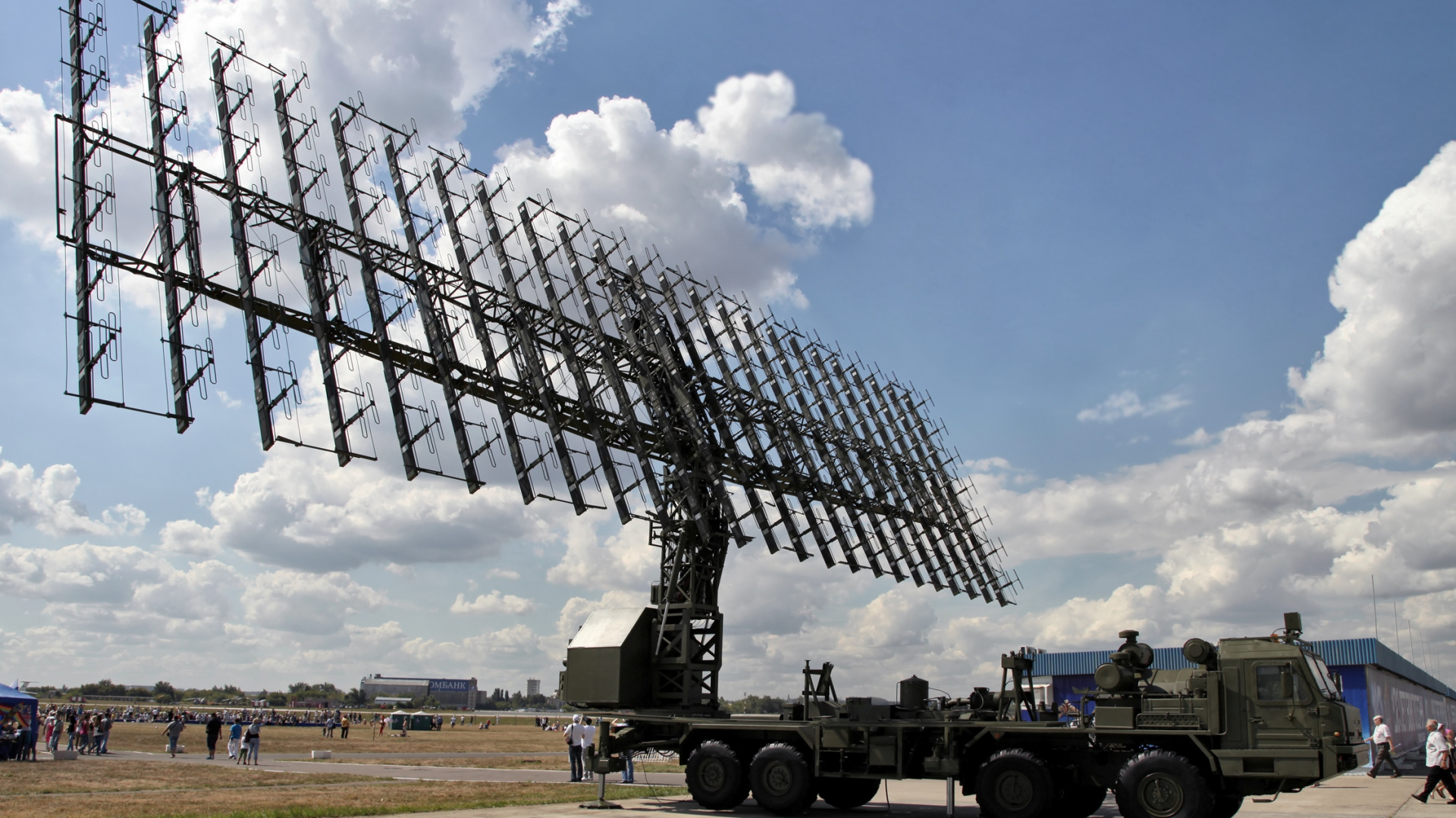
Ukraine's General Staff details strike on Moscow Oil Refinery, reports hits on Buk-M3 and Nebo-U
DEVELOPINGUkrainska Pravda8h ago