
Al Jazeera
centerREPORTUkraine targets Russian oil depots and tankers in drone attacks
Full BriefGenerated 91d ago
What Happened
Ukrainian forces conducted a series of drone attacks overnight on March 19-20, 2025, targeting Russian oil infrastructure. Two oil tankers were set ablaze in the Sea of Azov, as confirmed by Rostov Governor Yury Slyusar, who reported that crews were evacuated and one vessel continued burning. Ukrainian President Volodymyr Zelenskyy claimed responsibility for strikes on a reserve fuel storage facility approximately 800 km from the front line, an oil-pumping station in Ufa about 1,500 km from Ukraine’s border, and an oil-loading terminal in the Rostov region, roughly 200 km from the front line. Drone attacks also hit oil depots in the Tver and Stavropol regions. The Russian Ministry of Defence stated that air defences downed 73 Ukrainian drones, while Ukraine’s Air Force reported that Russia launched 94 long-range strike drones and two ballistic missiles overnight, with 72 drones jammed or intercepted; 19 drones and both missiles caused damage at 13 locations.
Key Actors
- ·Volodymyr Zelenskyy(President of Ukraine)Claimed Ukrainian forces struck multiple Russian oil facilities, describing the attacks as part of a 'long-range sanctions' campaign to bring consequences of the war to Russia.
- ·Yury Slyusar(Governor of Rostov Oblast, Russia)Confirmed that two oil tankers in the Sea of Azov were hit and set ablaze by Ukrainian drones, with one still burning and crews evacuated.
- ·Donald Trump(President of the United States)Endorsed Ukrainian strikes as an 'escalation that can help lead to an end' during a meeting with Zelenskyy at the NATO summit in Ankara, marking a shift in tone from previous acrimonious encounters.
- ·Dmitry Peskov(Kremlin Spokesman)Dismissed the strikes as a 'misconception' that military escalation would force peace concessions, threatened Russian response by 'creating a larger security zone,' and warned it could prolong the 'special military operation.'
Why It Matters
The strikes intensify Ukraine’s systematic campaign against Russian energy infrastructure, which has already triggered fuel shortages and export bans across more than 90% of Russian regions, according to local reports. By demonstrating deep-strike capability—hitting targets up to 1,500 km from its border—Kyiv aims to strain Russia’s logistical and economic capacity to sustain the war. Trump’s apparent endorsement signals a potential shift in U.S. tolerance for such attacks, while Russia’s threat to expand territorial control in retaliation could escalate fighting on the eastern front, complicating any near-term diplomatic resolution.
Watch For
Monitor reports of worsening fuel rationing or shortages inside Russia, particularly in regions dependent on targeted facilities. Watch for Russia’s promised creation of a 'larger security zone'—likely meaning offensive operations to seize more territory in eastern Ukraine—and any Ukrainian countermeasures. Track follow-up statements from the U.S. administration clarifying the extent of support for Ukrainian long-range strikes, especially regarding the Patriot licence pledge. Pay attention to further Ukrainian drone attacks on energy targets and Russian air defence adjustments.
Generated 91d ago · Based on full articleAuto-Compiled

DAILY BRIEFING
Follow Ukraine–Russia
Get a daily briefing with the most critical developments from every active conflict zone. Concise. Verified. Free.
No spam. Unsubscribe anytime. Verified sources only.
This page aggregates and summarizes reporting from Al Jazeera. The Conflict Pulse does not author original reporting. Read the original source for full coverage.
CONFLICT OVERVIEW
Ukraine–Russia
Latest verified updates on Russia’s war in Ukraine, frontline shifts, drone warfare, Western support, occupied territories, and ceasefire diplomacy.
Active since February 2014
MORE REPORTING ON THIS REGION
Recent reporting from this region. These stories may cover different events.
LATEST FROM UKRAINE–RUSSIA

DEVELOPINGAl Jazeera9h ago
Russian attack on buses in Ukraine’s Kramatorsk kills at least 30 people

DEVELOPINGBBC Asia10h ago
South Korea recalls Ukraine envoy over prisoner-of-war row
DEVELOPINGUkrainska Pravda10h ago
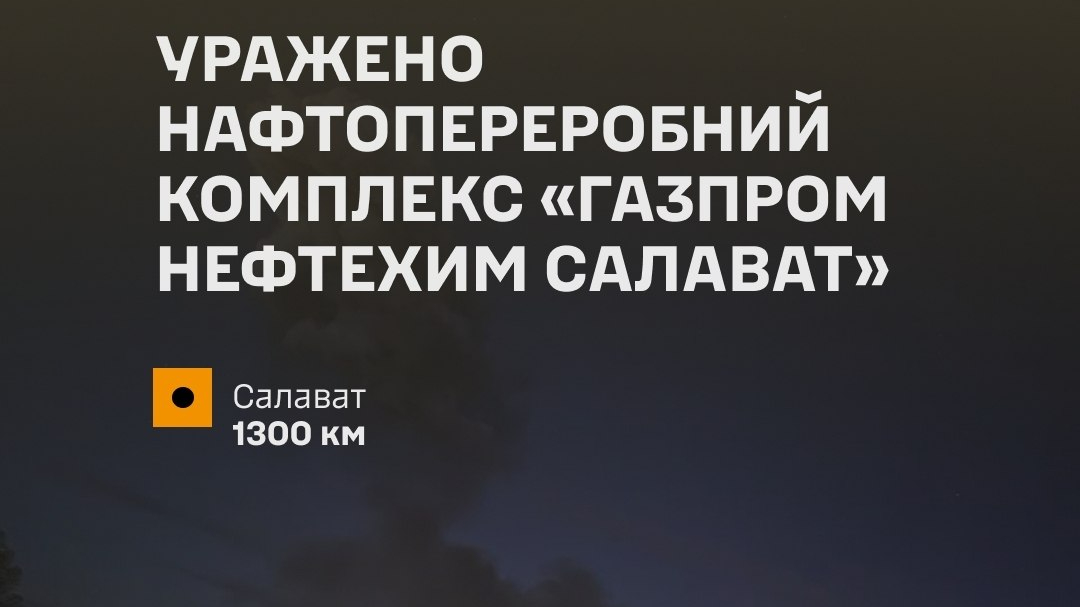
Ukraine's defence forces strike Gazprom oil refinery in Bashkortostan, 1,400 km from border
DEVELOPINGUkrainska Pravda11h ago
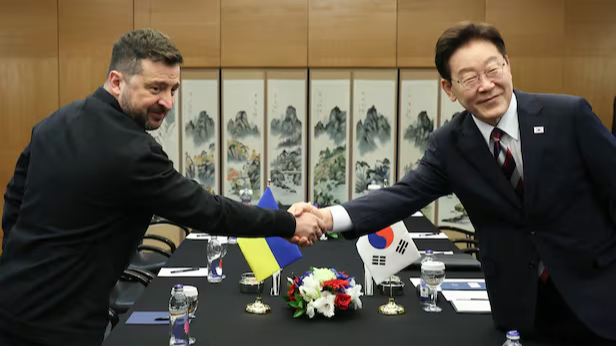
South Korea recalls its ambassador to Ukraine amid dispute over North Korean POWs
REPORTUkrainska Pravda12h ago
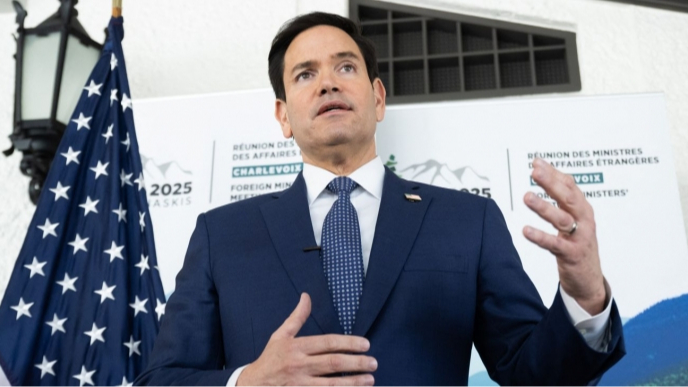
Rubio says diplomatic negotiations to end war in Ukraine are "proving elusive"
REPORTUkrainska Pravda12h ago