
The Guardian Europe
leftREPORTUkraine strikes on Russia’s ‘Amazon’ warehouses bring war closer to ordinary people

Full BriefGenerated 33d ago
What Happened
Ukrainian long-range drones struck at least nine warehouses belonging to Wildberries, Russia's largest e-commerce company, on four of the past seven days, according to reports. The attacks hit logistics centres from southern Russia to Shushary, a St Petersburg suburb, killing at least nine people and causing an estimated 170bn roubles ($2.2bn) in destroyed merchandise, according to Data Insight research company; most losses fell on independent merchants who stored inventory in the warehouses. Wildberries had changed its terms 11 days before the first strikes to exempt itself from liability for goods destroyed by 'force majeure' events including drone attacks, leaving sellers like Anton Bryanski with less than 1% compensation. Ukrainian President Volodymyr Zelenskyy did not name Wildberries but said in a Saturday address that Ukrainian forces struck 'major logistics facilities' used to transport sanctioned components for drone production and navigation equipment, though the platform primarily sells consumer goods but also lists military-related items such as body armour and drone components.
Key Actors
- ·Ukraine(State actor conducting strikes)Carried out drone attacks on Wildberries warehouses, framing them as strikes on logistics facilities supporting military supply chains.
- ·Wildberries (Tatyana Kim)(Russia's largest e-commerce company)Its warehouses were targeted; changed terms of service to avoid liability for drone-attack losses, offering minimal compensation to sellers.
- ·Russian small business owners(Independent merchants affected by strikes)Suffered total loss of inventory and received inadequate compensation, deepening economic grievances linked to the war.
- ·Russian government (Putin/Kremlin)(Governing authority)Has not directly commented on the specific warehouse attacks, while President Putin insisted war-related difficulties are temporary.
Why It Matters
The strikes mark a shift in Ukraine's long-range campaign from fuel infrastructure to commercial logistics networks, directly impacting ordinary Russians—including lower-income demographics that form a core part of Vladimir Putin's political base. By disrupting a platform central to everyday shopping, the attacks erode the Kremlin's narrative of normalcy and impose visible economic costs on a population already strained by inflation, tax increases, and rising wartime expenses.
Watch For
Whether Wildberries or Russian authorities implement new protective measures for distributed logistics hubs; further Ukrainian strikes on civilian-facing commercial infrastructure; changes to Wildberries' compensation policy or force majeure clauses; public backlash and its potential effect on domestic support for the war; and any official Kremlin response or escalation in censorship of strike impacts.
Generated 33d ago · Based on full articleAuto-Compiled
This page aggregates and summarizes reporting from The Guardian Europe. The Conflict Pulse does not author original reporting. Read the original source for full coverage.
CONFLICT OVERVIEW
Ukraine–Russia
Latest verified updates on Russia’s war in Ukraine, frontline shifts, drone warfare, Western support, occupied territories, and ceasefire diplomacy.
Active since February 2014
SOURCE PERSPECTIVES
How outlets across the bias spectrum are covering this conflict.
LATEST FROM UKRAINE–RUSSIA
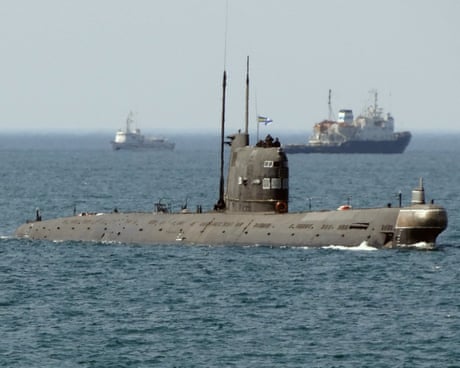
REPORTThe Guardian Europe12d ago
Ukraine war briefing: Crimea bomb kills ‘Ukrainian sub commander who defected’
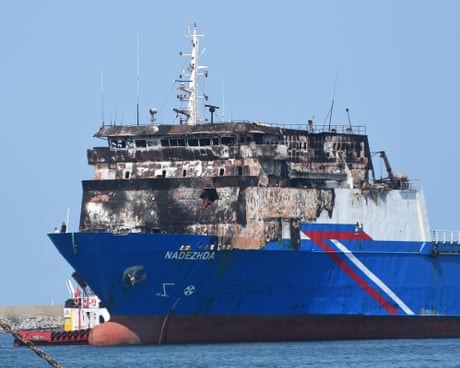
REPORTThe Guardian Europe13d ago
Ukraine ‘offering Russia deal to halt attacks on civilian ships in Black Sea’
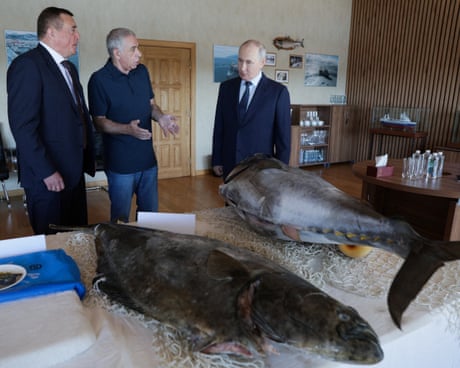
REPORTThe Guardian Asia13d ago
‘Absolutely unacceptable’: Japan condemns visit by Vladimir Putin to disputed Kuril Islands
REPORTDW News13d ago
What would a North Korean surge mean for Ukraine war?
REPORTDW News13d ago
What would a North Korean troop surge mean for Ukraine war?

REPORTBBC Europe13d ago