
Ukrainska Pravda
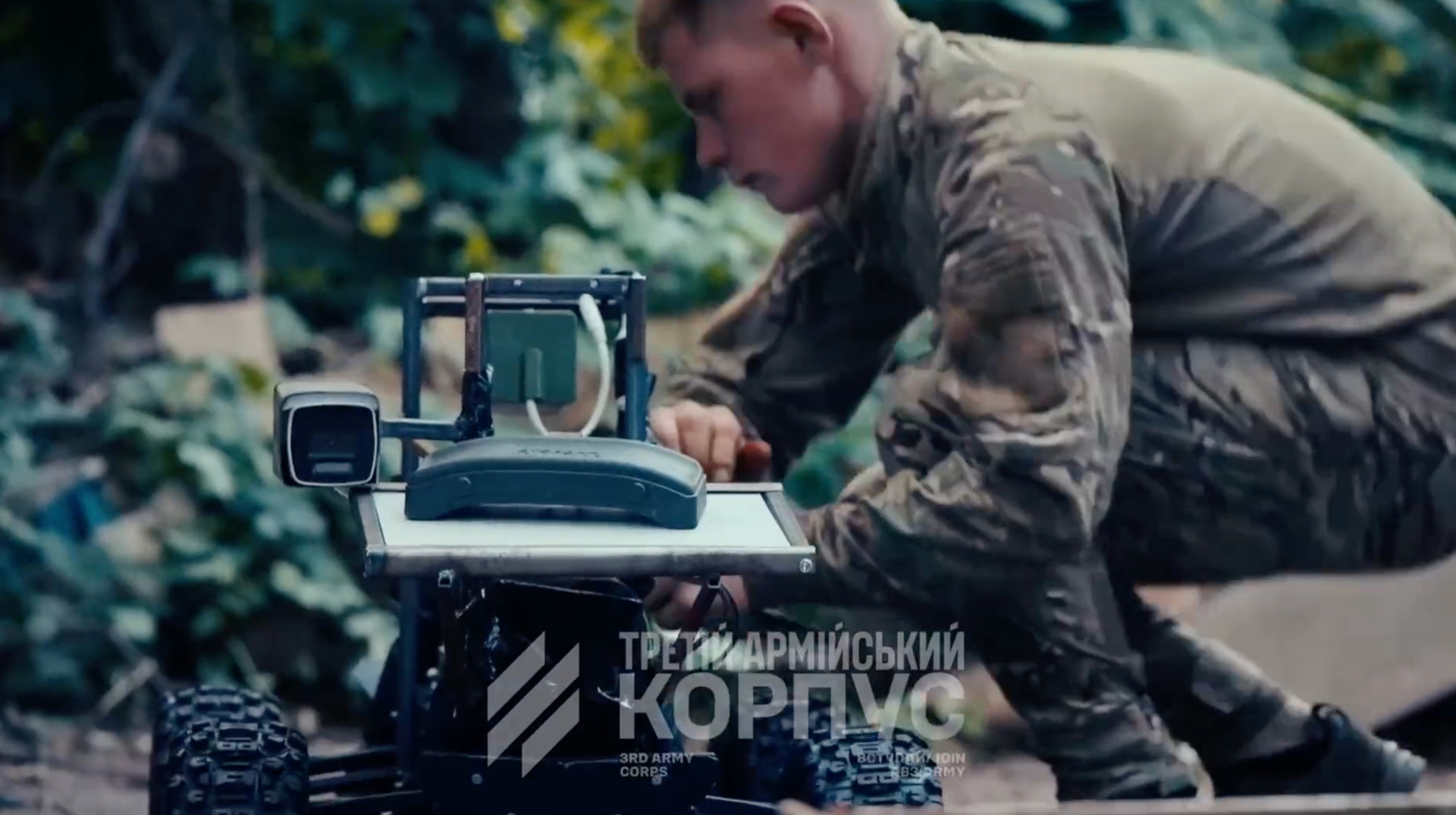
centerDEVELOPINGUkraine's 3rd Army Corps deploys air-dropped kamikaze UGV for the first time during offensive in Donetsk Oblast
Full BriefGenerated 53m ago
What Happened
Ukraine's 3rd Army Corps said it used heavy bomber drones to air-drop kamikaze unmanned ground vehicles (UGVs) more than 10 km behind Russian lines during the Vivaldi offensive operation in northern Donetsk Oblast. According to Brigadier General Andrii Biletskyi, the corps commander, this was the first operation of its kind in the world. The 3rd Army Corps stated that the manoeuvre enabled Ukrainian forces to regain control of two villages and clear a third, while electronic warfare and air defence assets blinded Russian reconnaissance drones, preventing the Russian side from uncovering the offensive plan. On 15 September 2026, the corps reported that during the first two stages of the Vivaldi offensive, Ukrainian forces regained control of Serednie, Shandryholove, and Derylove, and cleared Korovii Yar, Oleksandrivka, Novoselivka, Yarova, and Drobysheve, restoring Ukrainian control over 125 sq km of territory, 50 sq km of which was de-occupied.
Key Actors
- ·3rd Army Corps(Ukrainian ground formation)Reported using heavy bomber drones to air-drop kamikaze UGVs more than 10 km behind Russian lines during the Vivaldi offensive in northern Donetsk Oblast; said the manoeuvre enabled Ukrainian forces to regain control of two villages and clear a third.
- ·Andrii Biletskyi(Brigadier General and Commander of the 3rd Army Corps)Claimed the air-dropped UGV operation was the first in the world and that the ground robots were dropped over 10 kilometres into Russian-held territory.
- ·Russian Armed Forces(Opposing military force in northern Donetsk Oblast)Had reconnaissance drones blinded by Ukrainian electronic warfare and air defence assets, and according to the 3rd Army Corps were unable to uncover the offensive plan.
Why It Matters
The reported use of air-dropped kamikaze UGVs marks an escalation in unmanned warfare, allowing Ukrainian forces to strike Russian positions deep behind the front without exposing infantry. Combined with electronic warfare blinding of Russian reconnaissance drones, the tactic could shift the casualty burden and enable surprise offensives. It comes amid the Vivaldi operation, through which the 3rd Army Corps claims to have regained 125 sq km, including 50 sq km previously occupied, in northern Donetsk Oblast, an area where front lines have been relatively static.
Watch For
Monitor subsequent 3rd Army Corps reports on the next stages of the Vivaldi offensive and independent confirmation of the named villages; Russian Ministry of Defence statements on Ukrainian ground operations in northern Donetsk; evidence of counter-drone or counter-UGV measures by Russian forces; and whether other Ukrainian formations adopt air-dropped UGV tactics, following the July 2026 Kinburn Spit UGV landing.
Generated 53m ago · Based on full articleAuto-Compiled
This page aggregates and summarizes reporting from Ukrainska Pravda. The Conflict Pulse does not author original reporting. Read the original source for full coverage.
CONFLICT OVERVIEW
Ukraine–Russia
Latest verified updates on Russia’s war in Ukraine, frontline shifts, drone warfare, Western support, occupied territories, and ceasefire diplomacy.
Active since February 2014
SOURCE PERSPECTIVES
How outlets across the bias spectrum are covering this conflict.
LATEST FROM UKRAINE–RUSSIA

DEVELOPINGUkrainska Pravda6h ago
Ukraine signs memorandum on gas storage in Hungary – Naftogaz

DEVELOPINGUkrainska Pravda6h ago
Ukraine’s history as part of world history: What 200 researchers led by Timothy Snyder are creating

DEVELOPINGBBC Europe8h ago
Largest attack on Moscow sees Ukraine fire hundreds of drones, mayor says
DEVELOPINGUkrainska Pravda9h ago
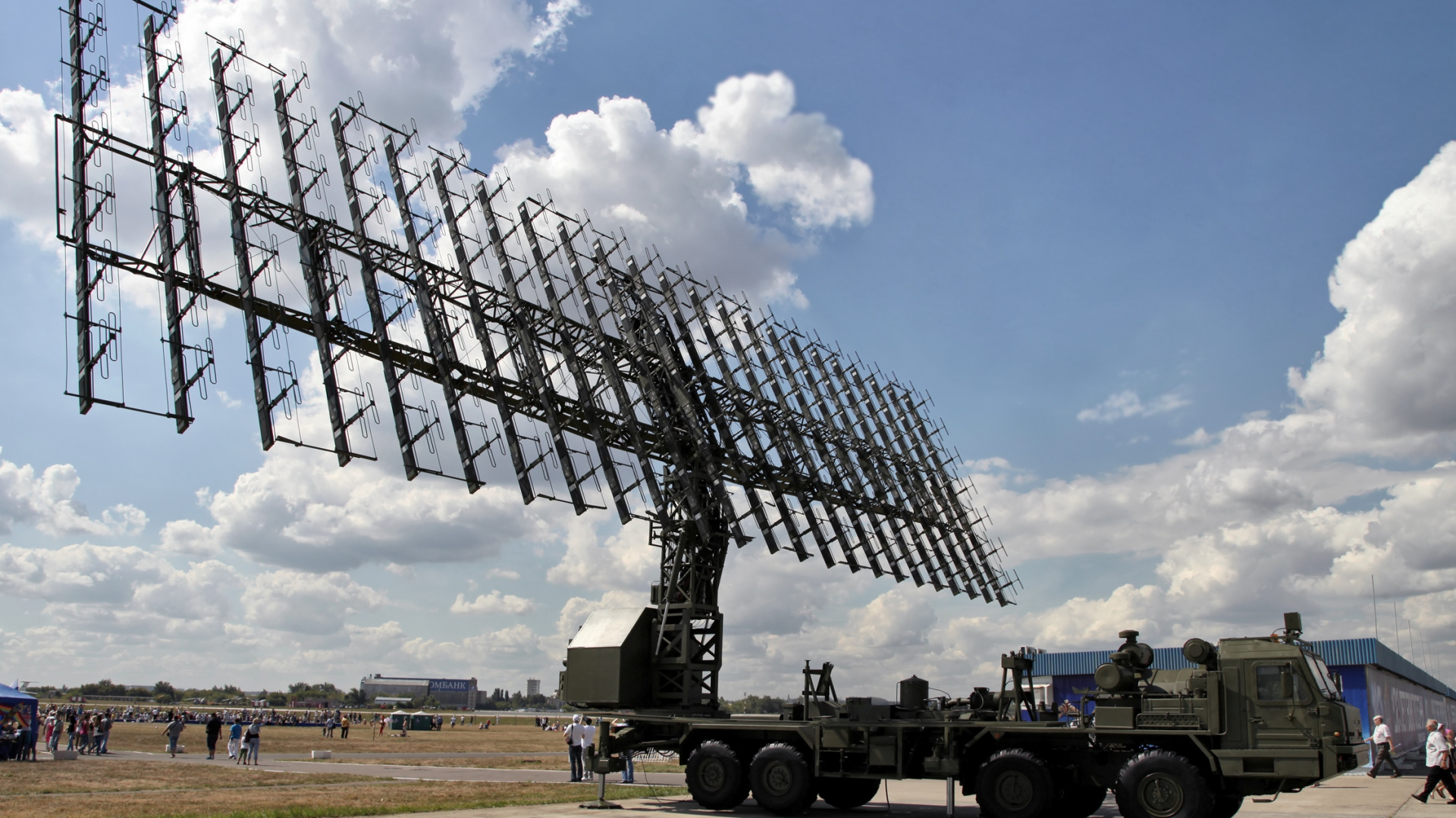
Ukraine's General Staff details strike on Moscow Oil Refinery, reports hits on Buk-M3 and Nebo-U

DEVELOPINGUkrainska Pravda9h ago
Trains across Ukraine delayed by up to 14 hours due to Russian attacks
DEVELOPINGUkrainska Pravda9h ago