
BBC Europe
centerREPORTUkraine hits major oil terminal in Russia's St Petersburg
Full BriefGenerated 96d ago
What Happened
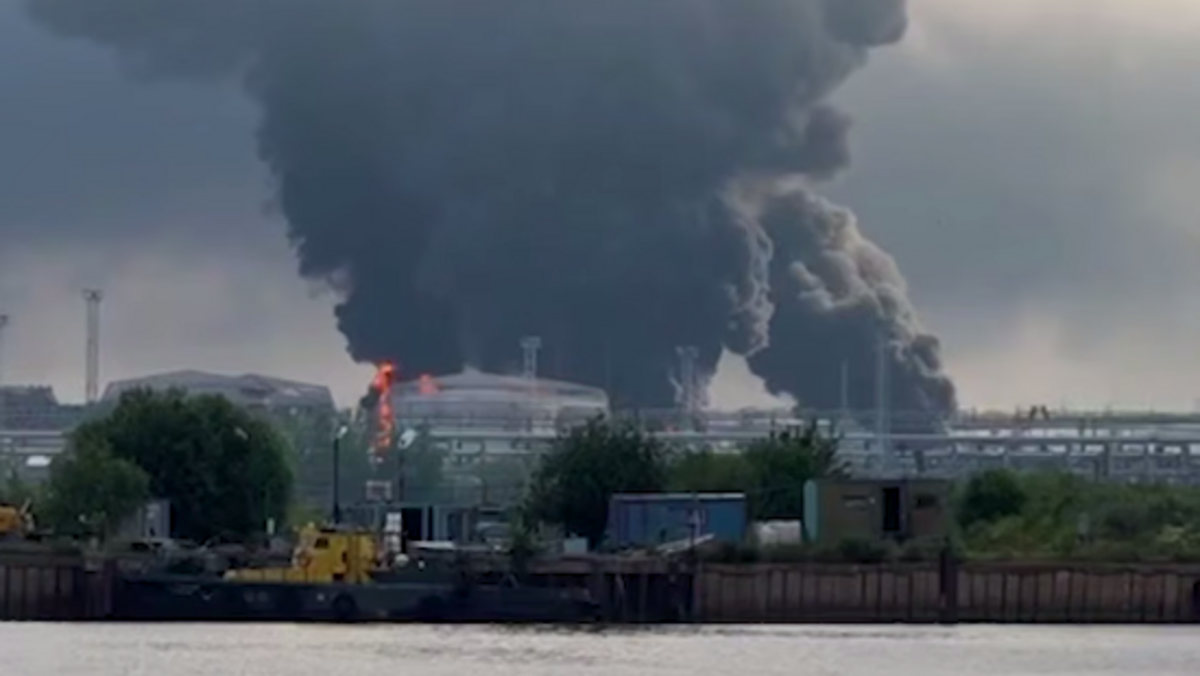
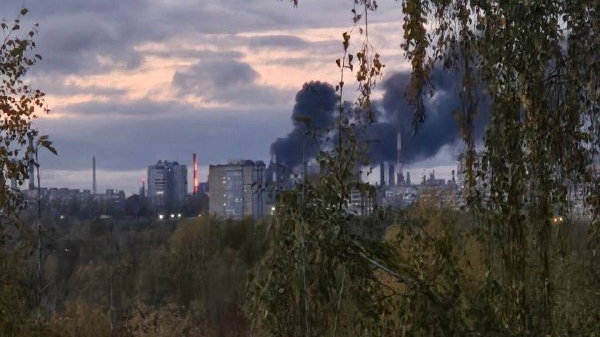
Ukrainian drones struck a major oil terminal in St Petersburg, Russia, overnight, President Volodymyr Zelensky confirmed. St Petersburg Governor Aleksandr Beglov acknowledged the hit and said 72 Ukrainian drones were shot down over the city and Leningrad region. Ukraine’s military described the terminal as one of Russia’s largest, capable of producing 12.5 million tonnes of petroleum products annually, and also claimed a strike on a Russian Baltic Fleet naval base in Kronstadt. The Russian Ministry of Defence said it intercepted over 500 drones and missiles across multiple regions, framing the attack as a diversion from its own missile strike on Kyiv on 2 July and a claimed Ukrainian failure in Kostyantynivka. Separately, Ukraine’s military denied that Kostyantynivka, a key fortified town in Donetsk region, had fallen to Russian forces, contradicting a statement by Russian President Vladimir Putin that control was established in June. Ukrainian military spokesman Maj Andriy Kovalyov said small infantry infiltrations were being neutralised, and Zelensky challenged Putin to meet him in the town if Russia truly controls it.
Key Actors
- ·Ukraine(Government and armed forces of Ukraine)Ukrainian President Zelensky and the military confirmed a long-range drone strike on an oil terminal in St Petersburg and a naval base in Kronstadt, and denied Russian control of Kostyantynivka.
- ·Russia(Russian government, including the Ministry of Defence and St Petersburg Governor Beglov)Governor Beglov admitted an oil terminal was hit and reported 72 drones shot down; the Russian MoD claimed interception of over 500 drones and missiles, threatened retaliation, and asserted control of Kostyantynivka.
- ·Russian Baltic Fleet(Russian naval force based in Kronstadt)Target of a claimed Ukrainian strike; no independent confirmation or Russian comment was provided.
Why It Matters
The strike demonstrates Ukraine’s ability to hit critical energy infrastructure deep inside Russia, 850km from the border, potentially disrupting fuel supplies and revenue streams that fund the invasion. Russian President Putin has acknowledged fuel shortages from previous attacks, and the legislation signed on Saturday to boost domestic fuel supplies highlights the strategic pressure. The simultaneous denial over Kostyantynivka underscores the contested information space on the Donetsk front, where both sides seek to shape perceptions of territorial control and battlefield momentum.
Watch For
Possible Russian retaliatory strikes on Ukrainian civilian or energy infrastructure, as threatened by the Russian MoD. Further Ukrainian long-range drone attacks on Russian oil facilities, and real-world impacts on Russian fuel availability. Monitoring whether Russia produces evidence of control over Kostyantynivka and if Ukrainian forces can hold the town amid infiltration attempts. Any diplomatic reactions, including from NATO partners, to the escalation of strikes deep inside Russian territory.
Generated 96d ago · Based on full articleAuto-Compiled
DAILY BRIEFING
Follow Ukraine–Russia
Get a daily briefing with the most critical developments from every active conflict zone. Concise. Verified. Free.
No spam. Unsubscribe anytime. Verified sources only.
This page aggregates and summarizes reporting from BBC Europe. The Conflict Pulse does not author original reporting. Read the original source for full coverage.
CONFLICT OVERVIEW
Ukraine–Russia
Latest verified updates on Russia’s war in Ukraine, frontline shifts, drone warfare, Western support, occupied territories, and ceasefire diplomacy.
Active since February 2014
MORE REPORTING ON THIS REGION
Recent reporting from this region. These stories may cover different events.
LATEST FROM UKRAINE–RUSSIA

DEVELOPINGBBC Asia4h ago
South Korea recalls Ukraine envoy over prisoner-of-war row
DEVELOPINGUkrainska Pravda4h ago
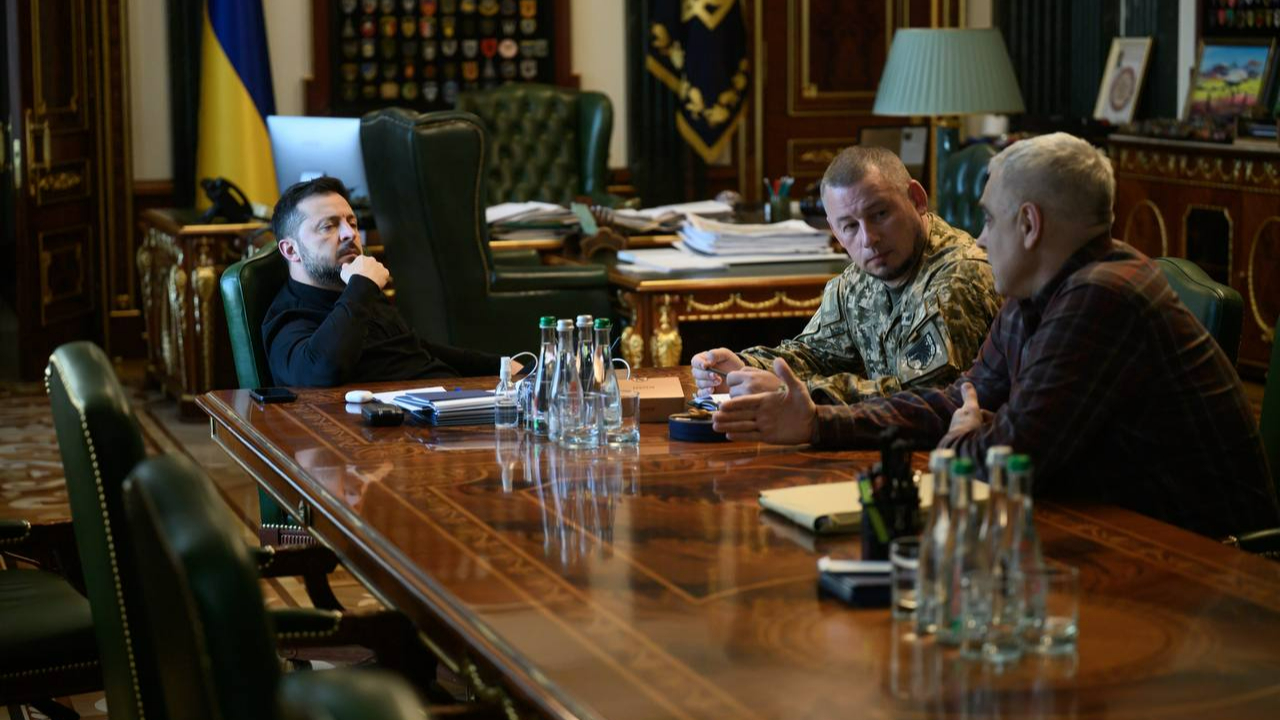
Zelenskyy: We are preparing our responses to this wave of Russian escalation
DEVELOPINGUkrainska Pravda5h ago
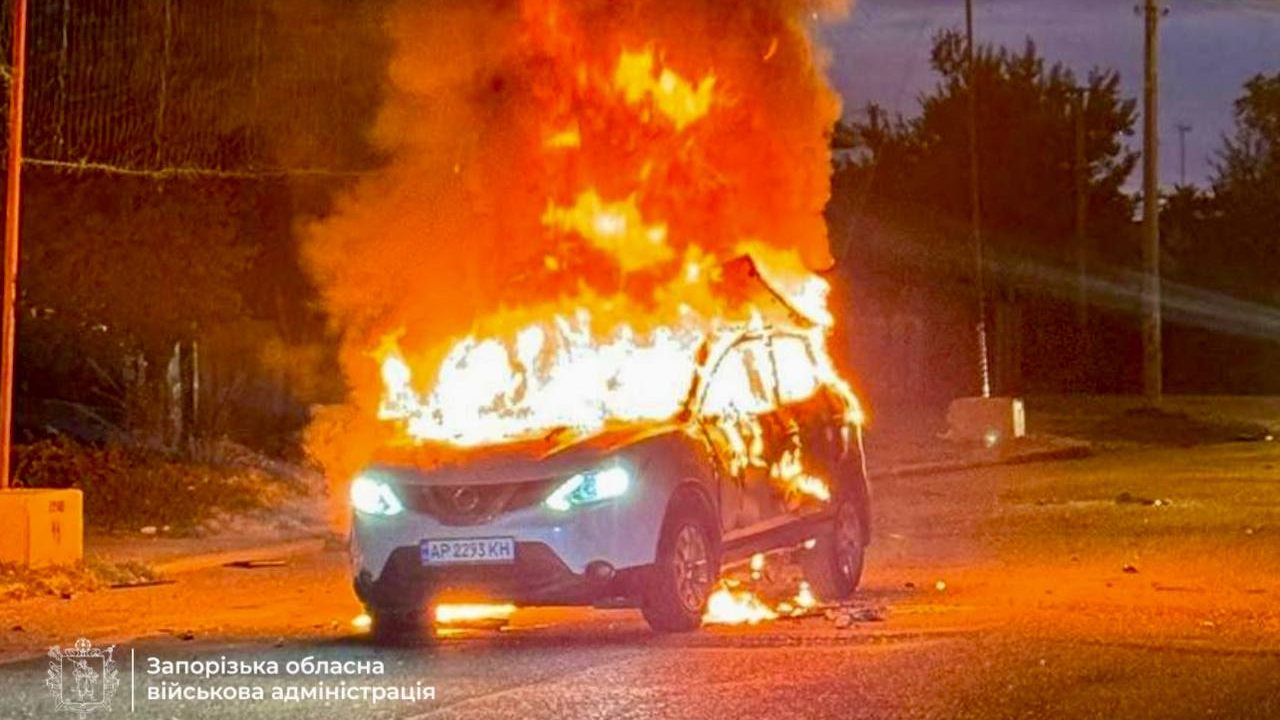
Russian attack on Zaporizhzhia kills driver and injures three adults and two children
DEVELOPINGUkrainska Pravda5h ago
Ukrainian Foreign Ministry on recall of South Korean ambassador: Ukraine is open to resuming dialogue
DEVELOPINGUkrainska Pravda5h ago
European Council president invites Zelenskyy to EU leaders' summit
DEVELOPINGUkrainska Pravda6h ago