The Guardian Europe
leftREPORTUkraine and Moldova to enter first phase of EU membership negotiations
Full BriefGenerated 12d ago
What Happened
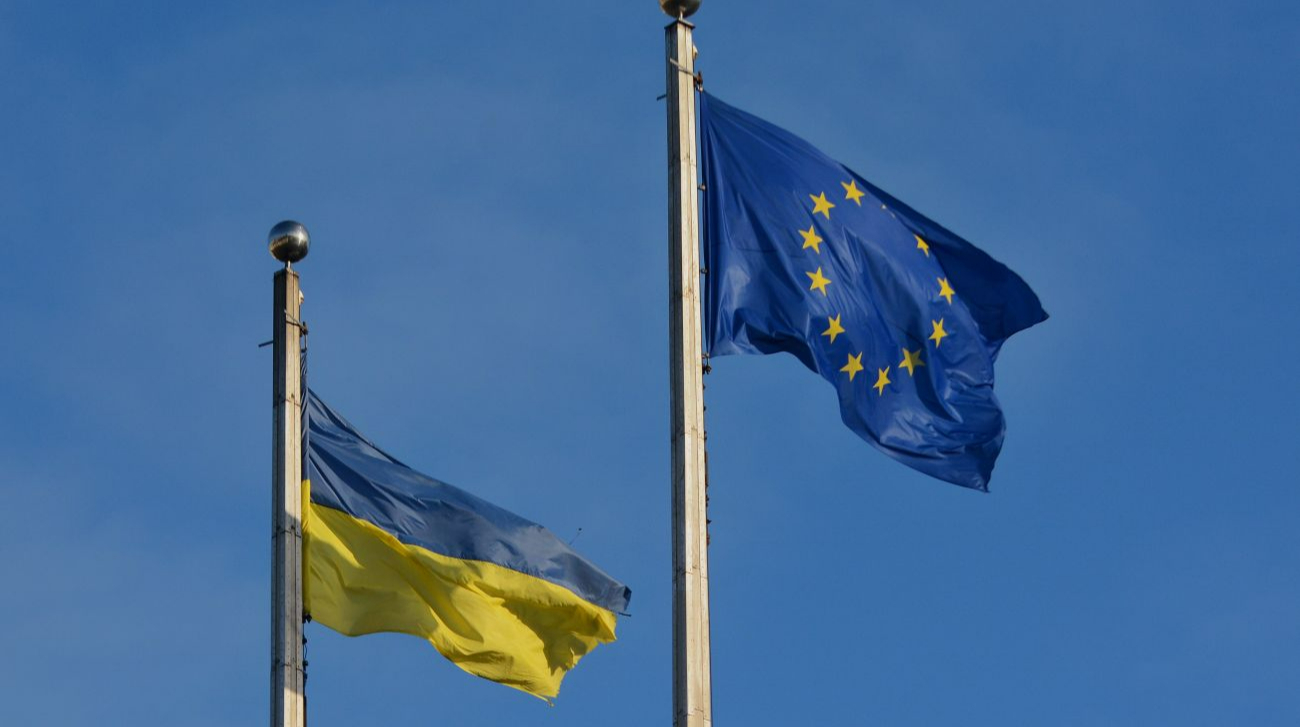
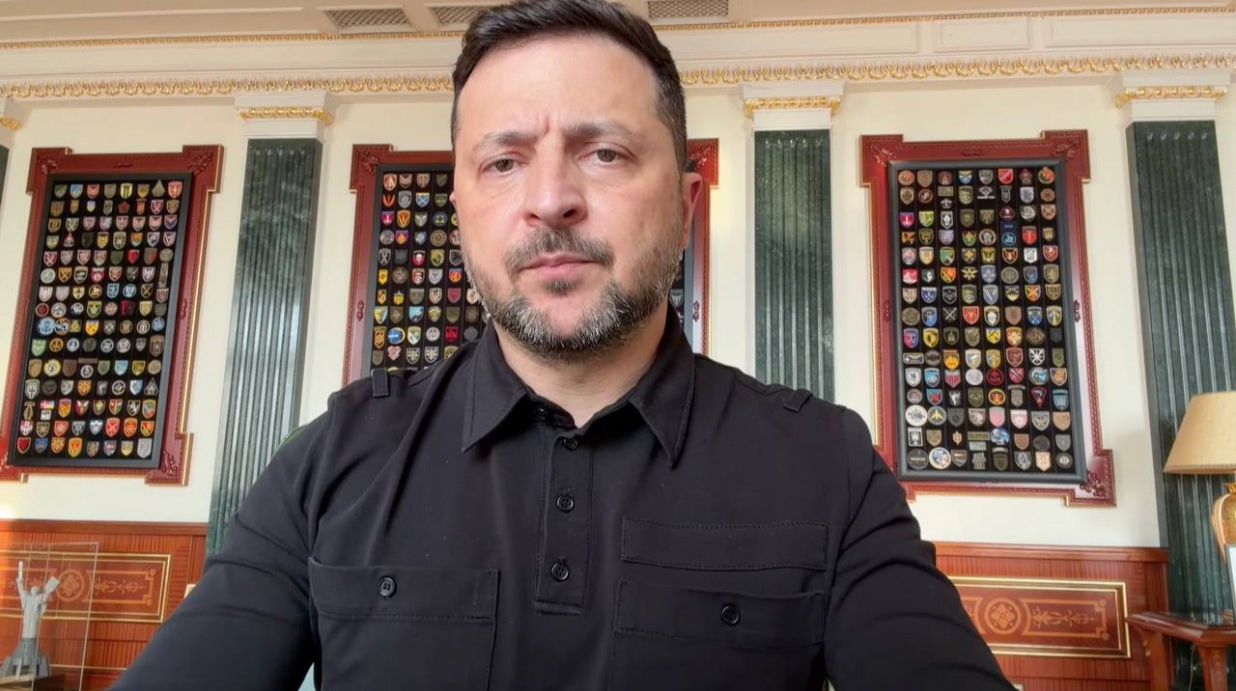
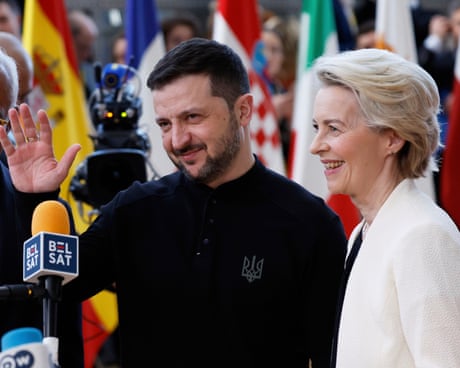
Ukraine and Moldova will begin the first phase of EU membership negotiations on Monday, with senior EU officials and ministers from both countries launching the initial negotiating cluster in Luxembourg. The cluster covers rule of law and democracy fundamentals, opening the way to talks on other chapters such as the single market, environment, and economic policy. The launch follows Hungary’s prior block under Viktor Orbán, which was lifted after a new Hungarian government was elected in April, enabling unanimous EU member state approval. EU leaders Ursula von der Leyen and António Costa praised both countries' reform efforts despite challenges, while Ukrainian President Volodymyr Zelenskyy called the move 'significant political and moral support.' The step comes as Russia intensifies its bombardment of Ukrainian towns, sustaining heavy losses for minimal territorial gain, and is seen as a strategic counter to Moscow’s influence.
Key Actors
- ·Ukraine(EU candidate country)Enters substantive EU membership negotiations with the opening of the rule of law cluster, amid ongoing Russian invasion.
- ·Moldova(EU candidate country)Simultaneously begins EU membership talks, having applied after Russia’s 2022 invasion.
- ·European Union(Supranational organisation (represented by Ursula von der Leyen and António Costa))Launched the first negotiation cluster after Hungary’s new government dropped its block, framing enlargement as a strategic choice.
- ·Hungary (Viktor Orbán)(Former blocking EU member state)Previously blocked substantive talks until a new government was elected in April, enabling unanimous approval.
Why It Matters
The opening of EU accession negotiations marks a decisive geopolitical shift, integrating two former Soviet republics into Western structures in direct response to Russia’s full-scale invasion. It carries heavy symbolic weight, reinforcing European solidarity and offering a long-term security anchor for Ukraine. However, the process demands extensive domestic reforms, and progress has been slow—Ukraine has completed only 15% of a 10-point reform plan. EU officials estimate technical talks could take four years, but final membership remains a political decision requiring unanimous approval. Security experts argue that integrating Ukraine into EU defence frameworks is critical to preventing future disillusionment that could weaken European security.
Watch For
Monitor the pace of Ukraine’s adoption of the remaining 85% of priority reforms, particularly anti-corruption measures, judicial appointments, and the independence of bodies like NABU and SAPO. Watch for potential obstruction from individual EU member states as negotiations move to more contentious clusters. Also note discussions around 'staged membership' or associate status, as proposed by German Chancellor Friedrich Merz, and whether Ukraine’s security integration advances in parallel with formal accession talks.
Generated 12d ago · Based on full articleAuto-Compiled
This page aggregates and summarizes reporting from The Guardian Europe. The Conflict Pulse does not author original reporting. Read the original source for full coverage.
CONFLICT OVERVIEW
Ukraine–Russia
Latest verified updates on Russia’s war in Ukraine, frontline shifts, drone warfare, Western support, occupied territories, and ceasefire diplomacy.
Active since February 2014
SOURCE PERSPECTIVES
How outlets across the bias spectrum are covering this conflict.
LATEST FROM UKRAINE–RUSSIA