
Al Jazeera
centerREPORTUAE says Iran targeted ADNOC tanker in Strait of Hormuz, no casualties
Full BriefGenerated 62d ago
What Happened
The United Arab Emirates accused Iran's Islamic Revolutionary Guard Corps (IRGC) of striking an Abu Dhabi National Oil Company (ADNOC) tanker with a missile in the early hours of Saturday as it transited the Strait of Hormuz. The UAE Ministry of Foreign Affairs described the attack as an act of piracy and demanded Tehran halt such strikes and reopen the strait unconditionally. ADNOC confirmed one of its ships was targeted but gave no details on damage or exact location. The company also reported that 15 of its vessels had been attacked by missiles and drones since the start of the conflict, including three in the past week, resulting in one crew member killed and 20 injured; ADNOC did not attribute those earlier attacks. Gulf Cooperation Council Secretary-General Jassim Mohammed al-Budaiwi condemned the latest strike as a "dangerous and unacceptable escalation" and called for international action, while Qatar, Saudi Arabia, and Jordan separately condemned the attack and urged a halt to Iranian strikes.
Key Actors
- ·UAE(Government of the United Arab Emirates)Accused Iran's IRGC of a missile strike on an ADNOC tanker, condemned it as piracy, and demanded a halt to attacks and full reopening of the Strait of Hormuz.
- ·IRGC(Islamic Revolutionary Guard Corps, Iran's external operations force)Accused by the UAE of carrying out the tanker strike; has previously threatened actions against vessels linked to adversaries or failing to comply with Iranian directives.
- ·ADNOC(Abu Dhabi National Oil Company)Confirmed a missile strike on one of its tankers without detailing damage or location; reported 15 cumulative attacks on its vessels since the conflict began.
Why It Matters
The strike marks a sharp escalation in tensions around the Strait of Hormuz, a chokepoint for roughly one-fifth of global oil throughput. The UAE's direct accusation against the IRGC intensifies a state-on-state dimension within a broader pattern of maritime harassment, threatening energy security and drawing in a coalition of Gulf Arab governments. Sustained attacks on commercial shipping risk disrupting supply chains, raising insurance costs, and forcing international naval responses, all of which could destabilize regional security at a moment of high U.S.-Iran friction and ongoing regional conflicts.
Watch For
Look for an official Iranian response—denial, justification, or silence—and any retaliatory or follow-on IRGC maritime operations. Monitor the U.S. and allied naval posture, including potential Freedom of Navigation operations or convoy escorts through the strait. Track oil price movements and shipping insurance premiums. Watch for emergency UN Security Council consultations, GCC defensive coordination, and whether Oman-mediated diplomatic backchannels address the escalation.
Generated 62d ago · Based on full articleAuto-Compiled

DAILY BRIEFING
Follow Iran
Get a daily briefing with the most critical developments from every active conflict zone. Concise. Verified. Free.
No spam. Unsubscribe anytime. Verified sources only.
This page aggregates and summarizes reporting from Al Jazeera. The Conflict Pulse does not author original reporting. Read the original source for full coverage.
CONFLICT OVERVIEW
Iran
Latest verified updates on Iran’s regional confrontation, U.S.–Israeli strikes, missile retaliation, proxy networks, sanctions, and Strait of Hormuz risks.
MORE REPORTING ON THIS REGION
Recent reporting from this region. These stories may cover different events.
LATEST FROM IRAN

REPORTAl Jazeera12h ago
Is Trump signalling a return to war with Iran after the midterms?

REPORTMiddle East Eye12h ago
Iranian human rights official says legal efforts under way over Minab attack
REPORTThe Guardian Middle East12h ago
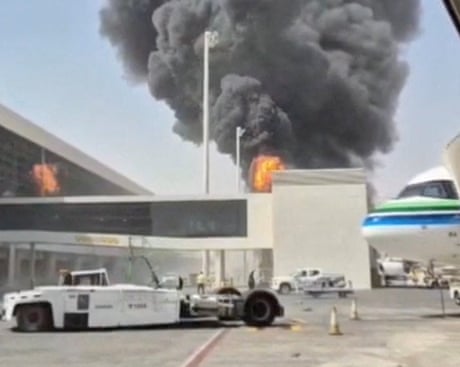
Three Saudis killed in Riyadh airport attack claimed by Houthis
REPORTMiddle East Eye15h ago
Morning update

REPORTAl Jazeera16h ago
Trump says US will not strike Iran before midterm elections
REPORTMiddle East Eye16h ago