
Al Jazeera
centerREPORTTrump says war ‘can’t go much longer’ – what’s the latest on talks?
Full BriefGenerated 63d ago
What Happened
On Thursday, US President Donald Trump told reporters in the Oval Office that the war with Iran 'can't go much longer' and that negotiations are ongoing. However, Iran denied direct talks with the US, stating it is speaking solely to Oman about control of the Strait of Hormuz. Iran's Fars news agency, citing an unnamed lawmaker, reported that an Iranian parliamentary committee is reviewing a preliminary bill to bar US, Israeli, and other 'hostile' vessels from transiting the strait. Simultaneously, Iran and Oman announced they had agreed on coordinates for shipping routes through the strait, a step Tehran claims puts a deal 'on the verge of being finalised'. Shipping data showed that only 33 vessels transited the Strait of Hormuz between Monday and Thursday, down from 50 the previous week, as the waterway remains largely closed. The US has reinstated a naval blockade on Iranian ports. The pattern of Trump threatening major attacks and then pulling back continued, with analysts warning that this cycle undermines the credibility of negotiations. An earlier June 17 memorandum of understanding between the US and Iran to reopen the strait collapsed due to vague wording and disputes over shipping routes, which led to Iran firing on ships using a US/Oman-approved route and a resumption of US attacks. Since those attacks ceased last week, the new Iran-Oman talks are seen as a precursor to broader peace negotiations.
Key Actors
- ·Donald Trump(President of the United States)Claims the war with Iran is nearing an end and that US is involved in negotiations; has repeatedly threatened attacks on Iran before walking back.
- ·Mohammad Bagher Ghalibaf(Iran's Parliament Speaker and Chief Negotiator)Accused Trump of 'theater diplomacy' and rejected direct US talks; stated Iran is negotiating with Oman over the Strait of Hormuz.
- ·Oman(Mediator between Iran and the US)Agreed with Iran on coordinates for shipping routes through the Strait of Hormuz; facilitating indirect talks to resolve the standoff.
Why It Matters
The Strait of Hormuz is a critical chokepoint through which one-fifth of the world’s oil flows, and its continued closure, coupled with a US naval blockade, has triggered a global energy crisis. The outcome of the Iran-Oman negotiations will determine whether shipping resumes and broader US-Iran peace talks can restart, impacting energy markets and regional security. Trump's pattern of threatened escalations followed by walk-backs has eroded diplomatic credibility, raising doubts about the viability of any future agreement.
Watch For
Monitor whether Iran and Oman finalize the shipping route deal in the coming days and if the Strait of Hormuz reopens to all traffic. Watch for any resumption of formal US-Iran negotiations, possibly through Oman, and whether Trump’s rhetoric shifts from military threats to diplomatic engagement. Additionally, note the progress of the Iranian bill to bar hostile vessels, which could escalate tensions if passed.
Generated 63d ago · Based on full articleAuto-Compiled

DAILY BRIEFING
Follow Iran
Get a daily briefing with the most critical developments from every active conflict zone. Concise. Verified. Free.
No spam. Unsubscribe anytime. Verified sources only.
This page aggregates and summarizes reporting from Al Jazeera. The Conflict Pulse does not author original reporting. Read the original source for full coverage.
CONFLICT OVERVIEW
Iran
Latest verified updates on Iran’s regional confrontation, U.S.–Israeli strikes, missile retaliation, proxy networks, sanctions, and Strait of Hormuz risks.
MORE REPORTING ON THIS REGION
Recent reporting from this region. These stories may cover different events.
LATEST FROM IRAN

REPORTAl Jazeera12h ago
Is Trump signalling a return to war with Iran after the midterms?

REPORTMiddle East Eye12h ago
Iranian human rights official says legal efforts under way over Minab attack
REPORTThe Guardian Middle East12h ago
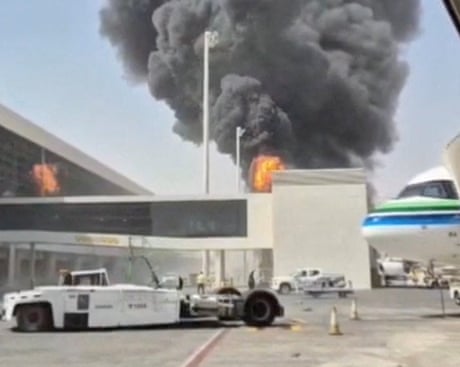
Three Saudis killed in Riyadh airport attack claimed by Houthis
REPORTMiddle East Eye15h ago
Morning update

REPORTAl Jazeera16h ago
Trump says US will not strike Iran before midterm elections
REPORTMiddle East Eye16h ago