
Al Jazeera
centerREPORTTrump says new round of Iran talks will begin Monday
Full BriefGenerated 90d ago
What Happened
President Donald Trump stated aboard Air Force One on Sunday that negotiations with Iran are to begin on Monday afternoon, after he decided to hold off on what he described as 'the biggest attack since World War II' targeting Iran. He said that US allies Saudi Arabia, the UAE and Qatar—as well as Tehran—urged him to delay the strikes. Trump claimed a deal on the Strait of Hormuz is within reach and that this would be followed by negotiations on Iran's nuclear programme or 'denuclearisation.' Separately, Iranian Minister of Foreign Affairs Abbas Araghchi held a phone call with Saudi Foreign Minister Prince Faisal bin Farhan Al Saud and Pakistani Army Commander Asim Munir to discuss diplomatic initiatives and regional security, according to a Telegram post by Araghchi. Iran's IRNA news agency, citing Araghchi, reported that negotiations with Oman over the Strait of Hormuz are in their final stages. The context is an ongoing armed conflict that began on February 28 with US and Israeli surprise strikes on Iran, interspersed with diplomacy and periods of relative calm; a previous ceasefire that included reopening the Hormuz strait collapsed, and Iran has since tightened control over the waterway amid renewed exchanges.
Key Actors
- ·Donald Trump(President of the United States)Announced the start of negotiations with Iran on Monday and delayed military strikes, citing urging from Gulf allies and Tehran.
- ·Abbas Araghchi(Iranian Minister of Foreign Affairs)Engaged in diplomatic calls with Saudi Arabia and Pakistan, and stated that negotiations with Oman over the Strait of Hormuz are in final stages.
- ·Mohammed bin Salman(Crown Prince of Saudi Arabia)Urged President Trump to avoid strikes on Iran, warning of unintended consequences, and participated in diplomatic efforts via his foreign minister.
Why It Matters
The move signals a potential diplomatic off-ramp to escalating US-Iran military confrontations, with Gulf states playing a mediator role. The Strait of Hormuz is a critical energy chokepoint, and a deal would have major implications for global oil markets. A parallel nuclear track could revive broader negotiations reminiscent of the 2015 framework, though under reimposed 'maximum pressure' sanctions. The involvement of Pakistan's army chief underscores regional power dynamics.
Watch For
Whether the Monday afternoon talks actually take place and with which participants; concrete outcomes from the Oman-brokered Hormuz negotiations; statements from Israeli officials and the Pentagon; Trump's next moves if talks stall; and Iran's reciprocal actions on the Strait of Hormuz and its nuclear programme.
Generated 90d ago · Based on full articleAuto-Compiled

DAILY BRIEFING
Follow Iran
Get a daily briefing with the most critical developments from every active conflict zone. Concise. Verified. Free.
No spam. Unsubscribe anytime. Verified sources only.
This page aggregates and summarizes reporting from Al Jazeera. The Conflict Pulse does not author original reporting. Read the original source for full coverage.
CONFLICT OVERVIEW
Iran
Latest verified updates on Iran’s regional confrontation, U.S.–Israeli strikes, missile retaliation, proxy networks, sanctions, and Strait of Hormuz risks.
MORE REPORTING ON THIS REGION
Recent reporting from this region. These stories may cover different events.
LATEST FROM IRAN

REPORTJerusalem Post — Iran News14h ago
Iran debating whether to maintain ban on nuclear weapons, regime's security chief Rezaei says
REPORTJerusalem Post — Iran News16h ago
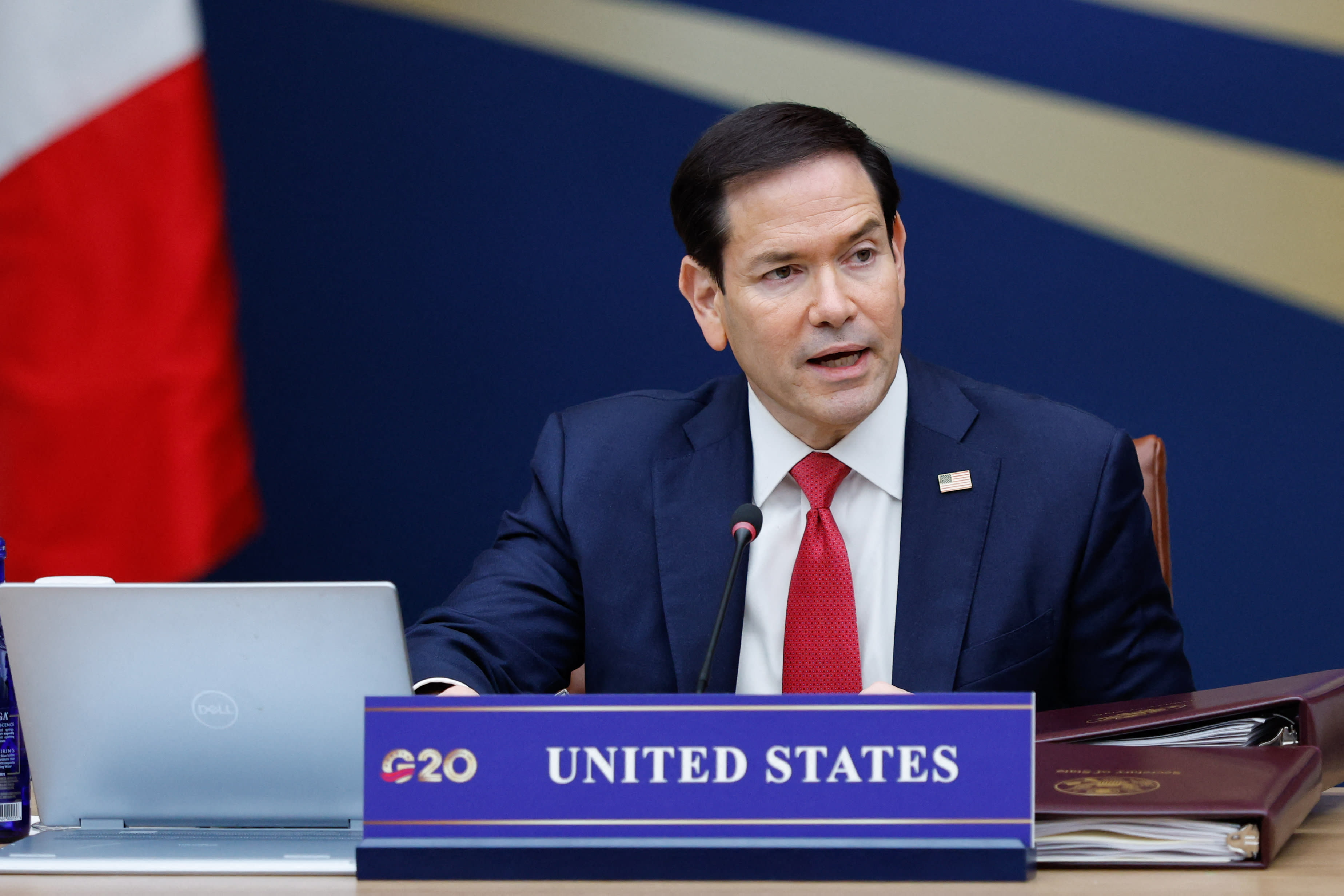
Trump 'has not made a decision' on Iran, Rubio tells press

REPORTMiddle East Eye18h ago
Trump has not decided whether to resume strikes on Iran, Rubio says
REPORTJerusalem Post — Iran News20h ago
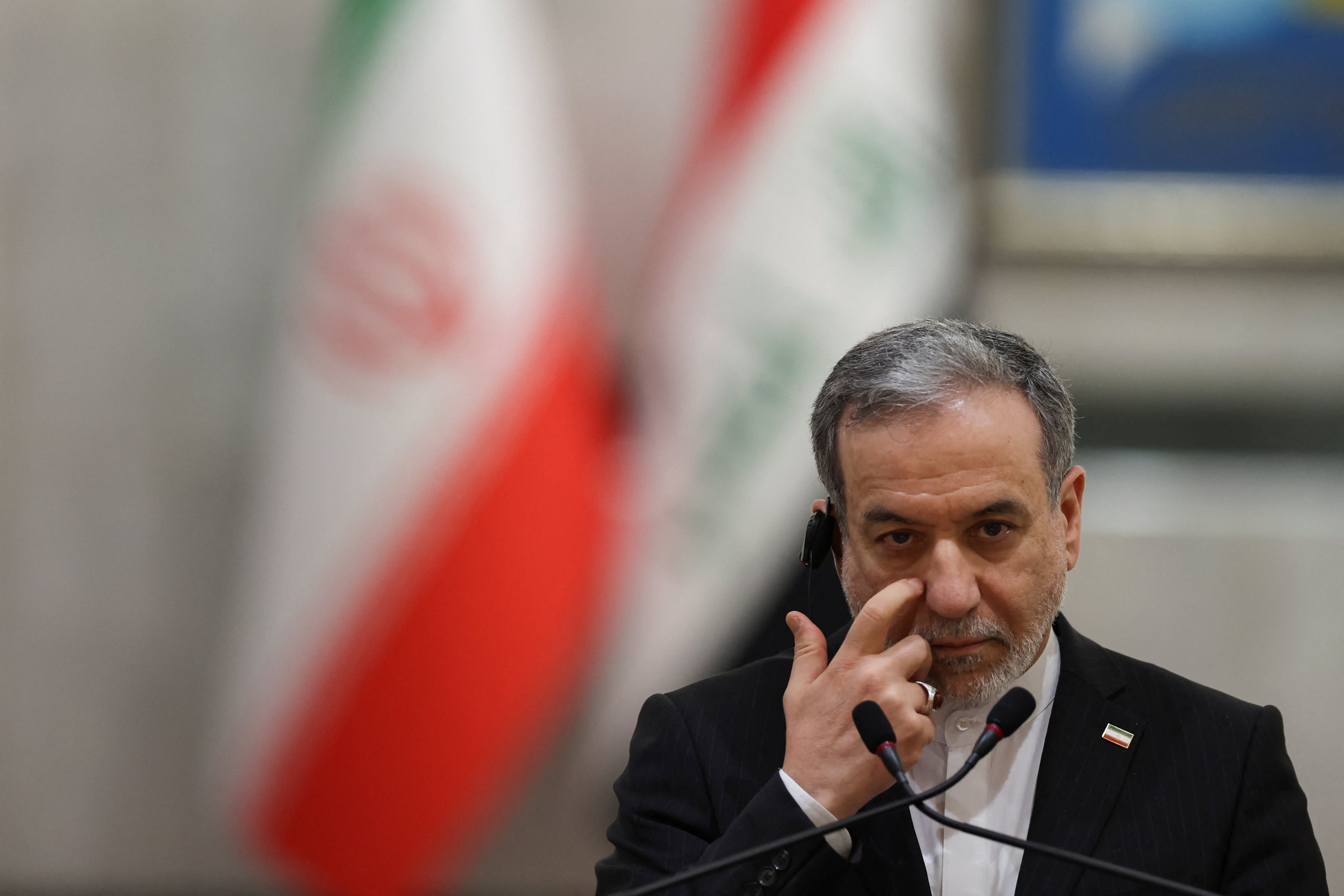
Araghchi says Vance's letter 'positive step' toward opening dialogue between Iran, US
REPORTMiddle East Eye20h ago
Araghchi says Iran prepared for war as Tehran sets conditions for Hormuz reopening

REPORTAl Jazeera21h ago