
BBC Middle East
centerREPORTTrump cancels Iran strikes subject to deal being made 'rapidly'
Full BriefGenerated 21d ago
What Happened
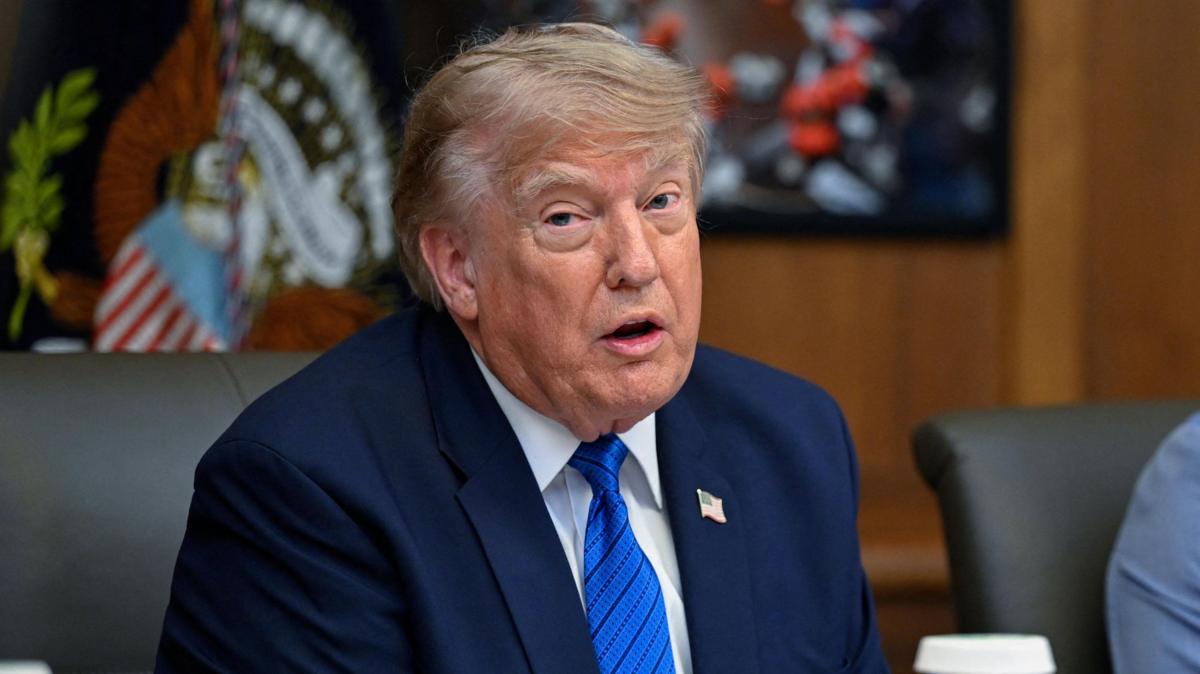
US President Donald Trump claimed on Truth Social that he cancelled planned strikes on Iran, conditioned on a rapid deal to reopen the Strait of Hormuz and end Iran's nuclear threat. He stated Iran and other Middle Eastern countries asked him to hold off, and that the US was 'locked and loaded' for military action 'not seen since World War II.' The announcement followed CBS News reports that the US and Israel were preparing a harsh bombing campaign against Iranian energy infrastructure, discussed during Trump's cabinet meeting on 6 July 2025. During that meeting, Trump was heard saying the US would hit Iran 'very hard.' Saudi Crown Prince Mohammed bin Salman separately called Trump on Saturday to express concern, per Axios and Reuters. Iran has not replied to Trump’s announcement, but earlier on Saturday accused the US of escalating tensions and warned regional states cooperating with Washington would be 'engulfed by the flames of war.' The US government urged Americans in the Middle East to be alert and ready to leave. These events unfold amid intensified hostilities since a June collapse of an April ceasefire, including US strikes retaliating for an attempted Iranian ballistic missile attack on American forces, and US blockades of Iranian ports.
Key Actors
- ·Donald Trump(US President)Announced cancellation of planned strikes on Iran, demanding a rapid deal including reopening the Strait of Hormuz and ending the nuclear threat; warned of severe military action if no deal.
- ·Iran(Government of Iran)Accused the US of escalating tensions; has not yet responded to Trump's announcement but warned regional states against cooperating with Washington.
- ·Israel(US ally)Reportedly co-planning a bombing campaign against Iranian energy infrastructure, according to CBS News sources.
- ·Mohammed bin Salman(Crown Prince of Saudi Arabia)Expressed concern to Trump about potential strikes during a phone call on Saturday, per Axios and Reuters.
Why It Matters
The potential for a major US-Israeli military offensive against Iran could destabilize the Middle East, disrupt global oil supplies through the Strait of Hormuz, and draw in regional actors. Trump's conditionality signals a narrow window for diplomacy, but underlying tensions and mistrust remain high. Saudi Arabia's expression of concern highlights Gulf states' trepidation about a wider conflict. The outcome may lead either to de-escalation or a severe confrontation with far-reaching humanitarian and economic consequences.
Watch For
Iran's official response to Trump's announcement; any confirmation or denial of a deal framework, including specifics on nuclear constraints and maritime security; the status of US and Israeli military preparations; diplomatic channels, possibly involving Oman or other mediators; developments in the Strait of Hormuz and IAEA access; oil market reactions; and statements from regional allies.
Generated 21d ago · Based on full articleAuto-Compiled
This page aggregates and summarizes reporting from BBC Middle East. The Conflict Pulse does not author original reporting. Read the original source for full coverage.
CONFLICT OVERVIEW
Iran
Latest verified updates on Iran’s regional confrontation, U.S.–Israeli strikes, missile retaliation, proxy networks, sanctions, and Strait of Hormuz risks.
SOURCE PERSPECTIVES
How outlets across the bias spectrum are covering this conflict.
LATEST FROM IRAN

REPORTMiddle East Eye9d ago
Iran formalises Strait of Hormuz control as US struggles to sustain war it launched with Israel

REPORTAl Jazeera9d ago
US threatens ‘indefinite’ blockade against Iran: How long can it last?

REPORTMiddle East Eye9d ago
Morning update
REPORTMiddle East Eye10d ago
Vance says US will end up 'in a stronger position' than Iran

REPORTJerusalem Post — Iran News10d ago
US Treasury Secretary Bessent says US to apply measures 'never seen before' on Iran

REPORTAl Jazeera10d ago