
The Guardian Asia
leftREPORTTortured, humiliated and killed: the women who disappear into Myanmar’s prisons
Full BriefGenerated 114d ago
What Happened
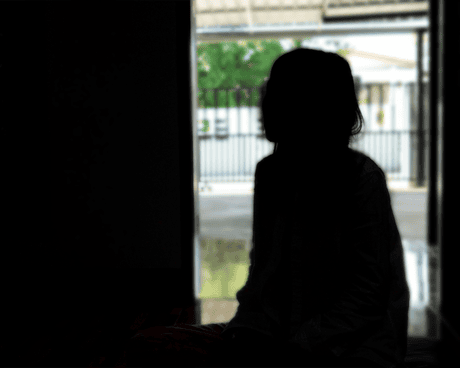
Since the February 2021 military coup, more than 30,000 political prisoners—including over 6,400 women—have been held in Myanmar’s prisons, where the UN has identified ‘systematic torture, killing and other serious abuses’ alongside ‘systematic commission of sexual and gender-based crimes.’ The Assistance Association for Political Prisoners (AAPP) has documented 40 female political prisoners who died in detention, often from torture or medical neglect. Testimonies from former prisoners like Thazin, detained in Mandalay after a protest, describe beatings, invasive strip-searches, and being secretly filmed in showers by male guards; footage was allegedly used to blackmail families. Ma Khaing, a nurse arrested for treating injured protesters, reported psychological trauma, constant CCTV surveillance, and claims by fellow inmates of having plastic melted onto their genitals during interrogations. Fortify Rights, which interviewed 10 former prisoners since late 2025, states that sexual violence is a systematic tool of intimidation from arrest through detention. Despite a January 2026 amnesty freeing about 4,000 prisoners and the junta’s installation of Min Aung Hlaing as president after a widely condemned election, Amnesty International’s Joe Freeman notes that ‘nothing has really changed’—the same military figures remain in control and an estimated 22,064 political prisoners were still detained as of last month, according to AAPP.
Key Actors
- ·State Administration Council (SAC) / Tatmadaw(Military junta governing Myanmar)Responsible for the systematic detention, torture, and sexual abuse of female political prisoners; uses a civilian façade after the January 2026 sham election to maintain power.
- ·Assistance Association for Political Prisoners (AAPP)(Non-profit monitoring political imprisonment and abuses)Documented 40 deaths of female prisoners from torture, over 6,400 women among 30,000+ political detainees, and widespread sexual violence in junta prisons.
- ·Fortify Rights(Human rights NGO investigating abuses)Collected testimony from 10 former female prisoners confirming a pattern of sexual violence used as a tool of intimidation across all stages of detention.
- ·United Nations(International body)Identified ‘systematic torture, killing and other serious abuses’ along with ‘systematic commission of sexual and gender-based crimes’ inside Myanmar’s prisons.
Why It Matters
The targeted sexual abuse of female political prisoners reveals the junta’s strategy of using gendered violence to crush dissent and enforce compliance, with implications for international accountability. The pattern—from arrest to interrogation to imprisonment—underscores how the SAC exploits control over detention facilities to blackmail families and break opposition networks. Despite the January 2026 amnesty and the regime’s cosmetic shift to a civilian-led government under Min Aung Hlaing, continued mass detention and documented abuses signal that the junta’s core repressive apparatus remains intact. This will likely impede any genuine political reconciliation and risks prolonging the civil war, while human rights documentation may fuel future prosecutions at the International Criminal Court or under universal jurisdiction.
Watch For
Monitor AAPP and Fortify Rights updates on detention numbers and conditions following the 2026 amnesty; look for whether the newly installed civilian government repeals or enforces repressive laws. The UN Independent Investigative Mechanism for Myanmar is collecting evidence—any referrals to the ICC or ICJ could signal new international legal pressure. Also watch for cross-border refugee testimony from women fleeing to Thailand, as groups like the Justice Network for Political Prisoners document ongoing abuses, and for any shifts in ASEAN or Chinese mediation that might include prisoner releases as a confidence-building measure.
Generated 114d ago · Based on full articleAuto-Compiled
DAILY BRIEFING
Follow Myanmar
Get a daily briefing with the most critical developments from every active conflict zone. Concise. Verified. Free.
No spam. Unsubscribe anytime. Verified sources only.
This page aggregates and summarizes reporting from The Guardian Asia. The Conflict Pulse does not author original reporting. Read the original source for full coverage.
CONFLICT OVERVIEW
Myanmar
Latest verified updates on Myanmar’s post-coup civil war, junta operations, resistance gains, ethnic armed groups, displacement, and regional diplomacy.
Active since May 2021
MORE REPORTING ON THIS REGION
Recent reporting from this region. These stories may cover different events.
LATEST FROM MYANMAR

REPORTAl Jazeera4d ago
Why is Malaysia sending back Rohingya refugees to Myanmar?

REPORTAl Jazeera5d ago
Malaysia gave refuge to Rohingya; now it wants them to go

REPORTAl Jazeera5d ago
Malaysia begins sending back Rohingya refugees despite safety warnings

REPORTMyanmar Now5d ago
Malaysia starts sending Myanmar migrants home

REPORTAl Jazeera6d ago
Myanmar army air strike kills dozens in Rakhine state
REPORTThe Guardian Asia6d ago