
BBC Middle East
centerREPORTThreat to oil tankers in Middle East worst since start of Iran war, analysts say
Full BriefGenerated 89d ago
What Happened
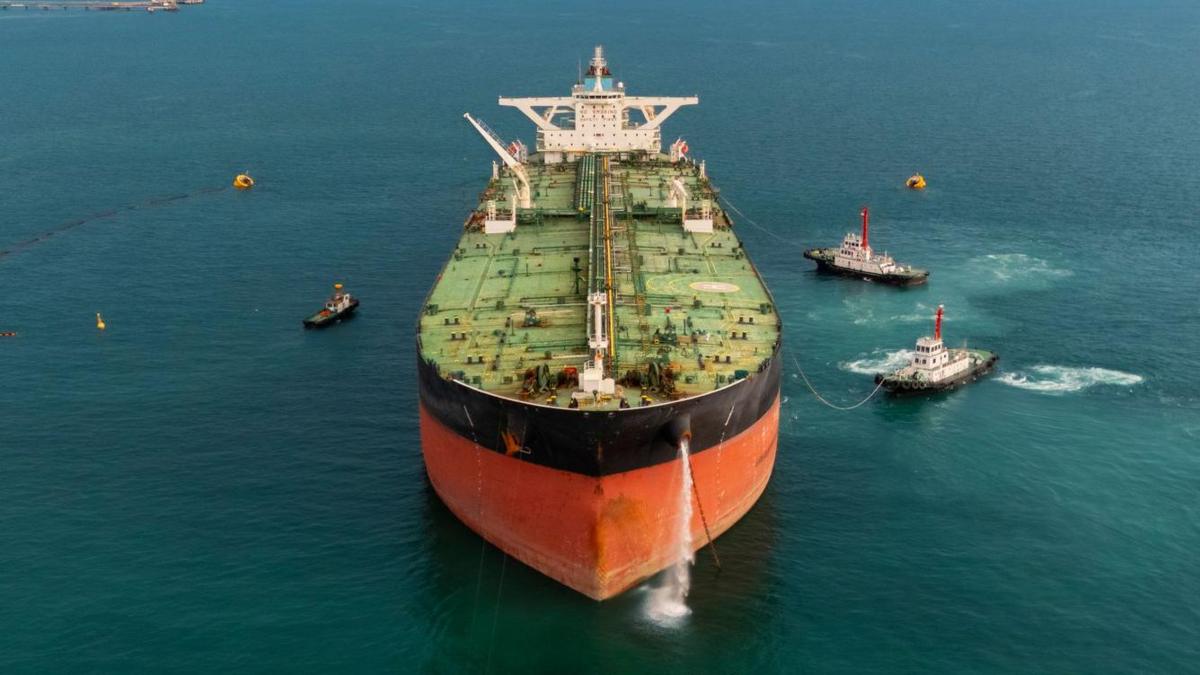
Maritime security in the Middle East has deteriorated to its lowest point since the onset of the conflict, as Houthi fighters have expanded their operations from the Strait of Hormuz to the Red Sea. According to Kpler, daily vessel traffic through the Strait of Hormuz has plummeted to as few as eight ships, compared to over 100 prior to the conflict. Simultaneously, the Houthi militia announced a blockade of Saudi Arabian Red Sea ports on 20 July, leading to multiple reported attacks on tankers in that waterway. Many vessels are now operating with transponders disabled to evade detection, while shipping firms like Hapag-Lloyd continue to assess security risks.
Key Actors
- ·Houthis(Yemen-based militia)The group has declared a blockade on Saudi Arabian Red Sea ports and is conducting attacks against tankers in the region.
- ·Kpler(Ship-tracking firm)The firm reports that oil and gas transit through the Strait of Hormuz has dropped to approximately 8% of pre-conflict levels.
- ·Esmaeil Baqaei(Iranian Foreign Ministry Spokesman)He stated that no imminent deal to reopen the Strait of Hormuz exists and that restrictions will remain while US aggression continues.
Why It Matters
The simultaneous disruption of the Strait of Hormuz and the Red Sea shipping lanes threatens approximately 20% of global oil and gas transit. The expansion of the conflict into alternative routes removes the market's ability to bypass the primary bottleneck, creating a complex security environment that forces shipping companies to suspend services or redeploy assets, with analysts estimating a three to four-month recovery period for normal cargo flows even if transit resumes.
Watch For
Monitor the progress of backchannel negotiations between Iran and Oman regarding the Strait of Hormuz, as well as any further UK Maritime Trade Operations reports regarding attacks on vessels in the Red Sea. Additionally, track Brent crude price fluctuations and potential shifts in US policy regarding planned strikes on Iran, which remain a primary variable in the stability of regional maritime trade.
Generated 89d ago · Based on full articleAuto-Compiled
DAILY BRIEFING
Follow Iran
Get a daily briefing with the most critical developments from every active conflict zone. Concise. Verified. Free.
No spam. Unsubscribe anytime. Verified sources only.
This page aggregates and summarizes reporting from BBC Middle East. The Conflict Pulse does not author original reporting. Read the original source for full coverage.
CONFLICT OVERVIEW
Iran
Latest verified updates on Iran’s regional confrontation, U.S.–Israeli strikes, missile retaliation, proxy networks, sanctions, and Strait of Hormuz risks.
MORE REPORTING ON THIS REGION
Recent reporting from this region. These stories may cover different events.
LATEST FROM IRAN

REPORTJerusalem Post — Iran News12h ago
Iran debating whether to maintain ban on nuclear weapons, regime's security chief Rezaei says
REPORTJerusalem Post — Iran News14h ago
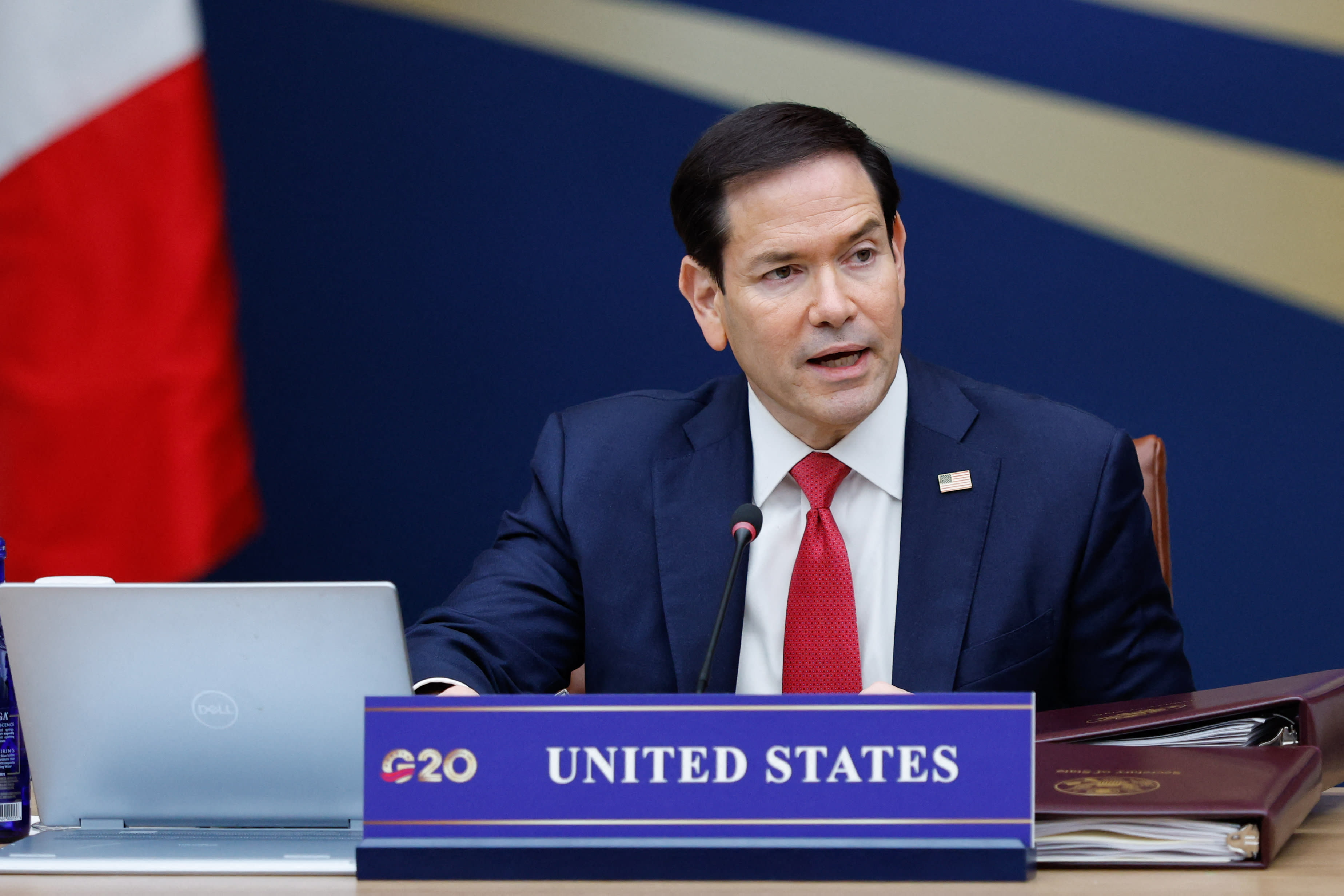
Trump 'has not made a decision' on Iran, Rubio tells press

REPORTMiddle East Eye16h ago
Trump has not decided whether to resume strikes on Iran, Rubio says
REPORTJerusalem Post — Iran News18h ago
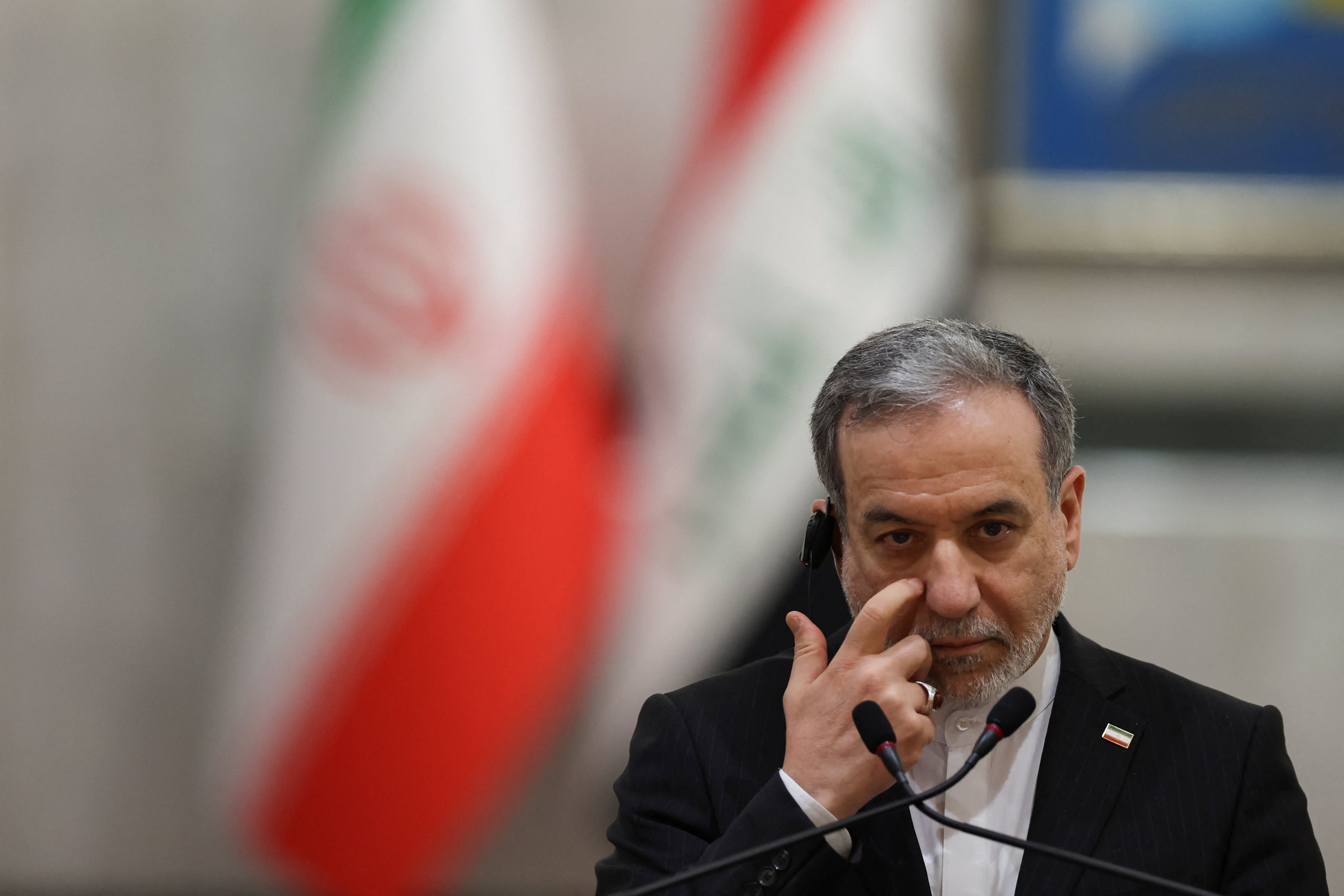
Araghchi says Vance's letter 'positive step' toward opening dialogue between Iran, US
REPORTMiddle East Eye18h ago
Araghchi says Iran prepared for war as Tehran sets conditions for Hormuz reopening

REPORTAl Jazeera19h ago