
naharnet.com
centerREPORTSaudi Arabia , Turkey and Pakistan sign key defense agreement
Full BriefGenerated 58d ago
What Happened
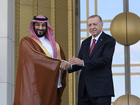
On Friday, Saudi Arabia, Turkey, and Pakistan signed the 'Mecca Joint Defense Agreement' in Mecca during a meeting between Crown Prince Mohammed bin Salman, President Recep Tayyip Erdogan, and Prime Minister Shehbaz Sharif. The pact stipulates that any armed attack against one of the three states will be regarded as an attack against all, according to identical statements from the Pakistani Foreign Ministry and Turkey's presidential communications directorate. The agreement provides for enhancement of all aspects of defense cooperation, with Turkish media reports indicating it likely permits joint military exercises, training, technology transfers, and intelligence sharing. The deal builds on a September mutual defense pact between Pakistan and Saudi Arabia and comes amid heightened regional security concerns, including attacks on Saudi critical infrastructure linked to the war in Iran and rising Turkey-Israel tensions over Gaza. A Turkish government official, speaking anonymously, described the agreement as 'purely defensive in nature' and not directed against any specific actor, adding it is open for other regional countries to join.
Key Actors
- ·Saudi Arabia(Signatory state represented by Crown Prince Mohammed bin Salman)Saudi Arabia seeks to strengthen collective deterrence and diversify defense partnerships following attacks on its critical infrastructure amid the Iran conflict.
- ·Turkey(Signatory state represented by President Recep Tayyip Erdogan)Turkey, leveraging NATO's second-largest army and its growing defense industry, aims to increase regional deterrence and security cooperation.
- ·Pakistan(Signatory state represented by Prime Minister Shehbaz Sharif and Army Chief Field Marshal Asim Munir)Pakistan contributes its military experience, nuclear capabilities, and crisis-management expertise to the trilateral defensive arrangement.
Why It Matters
This agreement formalizes a trilateral defense axis among three major Sunni-majority powers, each bringing complementary strengths—Saudi Arabia's economic weight, Turkey's advanced defense technology, and Pakistan's military experience and nuclear deterrence. It occurs against the backdrop of the multi-front Iran conflict, including attacks on Saudi oil facilities and broader regional instability from Gaza to Lebanon. The pact could act as a collective deterrent against Iranian-backed aggression and influence US-Iran tensions, while signaling a potential shift toward independent defense frameworks outside traditional Western alliances.
Watch For
Monitor whether other regional states join the open agreement, and watch for reactions from Iran, Israel, and the United States. Specific next steps to track include announcements of joint military exercises, defense technology transfers, or intelligence-sharing mechanisms. The leaders' discussions on defusing US-Iran tensions may also yield diplomatic developments.
Generated 58d ago · Based on full articleAuto-Compiled
DAILY BRIEFING
Follow Iran
Get a daily briefing with the most critical developments from every active conflict zone. Concise. Verified. Free.
No spam. Unsubscribe anytime. Verified sources only.
This page aggregates and summarizes reporting from naharnet.com. The Conflict Pulse does not author original reporting. Read the original source for full coverage.
CONFLICT OVERVIEW
Iran
Latest verified updates on Iran’s regional confrontation, U.S.–Israeli strikes, missile retaliation, proxy networks, sanctions, and Strait of Hormuz risks.
MORE REPORTING ON THIS REGION
Recent reporting from this region. These stories may cover different events.
LATEST FROM IRAN

DEVELOPINGMiddle East Eye9h ago
US response to Hormuz proposal currently 'under review' by Tehran

REPORTAl Jazeera12h ago
Iran says Hormuz to remain closed until US meets conditions
REPORTMiddle East Eye14h ago
Iran says Hormuz Strait to remain closed until US meets seven conditions
REPORTMiddle East Eye14h ago
Iran's foreign ministry spokesman: Strait of Hormuz 'main concern' of leadership
REPORTMiddle East Eye16h ago
Morning recap
REPORTJerusalem Post — Iran News17h ago