
aljazeera.com
centerREPORTSacred unity : Iran supreme leader calls for calm amid political divides | US - Israel war on Iran News
Full BriefGenerated 107d ago
What Happened
On Saturday, a message attributed to Iran’s Supreme Leader Mojtaba Khamenei called for 'sacred unity' among Iranians, urging officials and the public to avoid division, political disputes, and social differences in the face of US and Israeli pressure. The decree follows weeks of internal turmoil after hardline supporters of the Islamic Republic accused President Masoud Pezeshkian and other officials of treason for signing a memorandum of understanding (MoU) with the US to pause four months of fighting. Mojtaba Khamenei, who has not been seen publicly since assuming the role in March, acknowledged he held a 'different view' on the MoU but approved it after Pezeshkian, as chairman of the Supreme National Security Council, accepted responsibility. The MoU has been suspended by Tehran and was already collapsing after Iran and the US traded fire over control of the Strait of Hormuz during the past week. The US has bombed Iran for eight consecutive nights, targeting bridges, roads, and other civilian infrastructure, while Iran retaliated against US bases in the Gulf, causing a fire at a Kuwait power plant. Hardline MP Mahmoud Nabavian read from classified material on live television in an attempt to derail the deal and was subsequently removed from the parliament’s National Security and Foreign Policy Committee. Officials linked to the MoU were heckled during the funeral of assassinated Supreme Leader Ayatollah Ali Khamenei earlier this month.
Key Actors
- ·Mojtaba Khamenei(Supreme Leader of Iran)Issued a message calling for 'sacred unity', warned against internal division, and stated that enemies must not detect weakness, while implicitly supporting the MoU despite personal reservations.
- ·Masoud Pezeshkian(President of Iran)Thanked the supreme leader for his 'wise' message, emphasized trust in heads of government, and had previously assumed responsibility for the MoU as chairman of the Supreme National Security Council.
- ·Mohammad Bagher Ghalibaf(Speaker of Iran’s Parliament)Faced harsh criticism from hardliners as chief negotiator for the MoU with the US, later endorsed the supreme leader’s call for obedience as critical to national resistance and governance.
- ·Ali Abdollahi(Head of Iran’s wartime joint command)Vowed the armed forces would heed the supreme leader’s unity directive and warned the US of a 'decisive and destructive response' to recent attacks.
Why It Matters
The internal political rift threatens to undermine Iran’s negotiating leverage and military cohesion during open conflict with the US. Hardline opposition to the MoU could derail any ceasefire and provide openings for Washington to exploit perceived fractures. Simultaneously, the projection of military and political unity is aimed at countering US narratives that an 'errant' hardline faction seeks to obstruct diplomacy, as anonymous US officials briefed the media. The suspension of the MoU and continued tit-for-tat strikes over the Strait of Hormuz risk a broader regional escalation that could draw in Gulf states and further destabilize energy markets.
Watch For
Monitor whether Mojtaba Khamenei’s call quells hardline protests and the removal of dissenting lawmakers like Mahmoud Nabavian from key committees. Watch for any US or Iranian statements addressing the MoU’s revival, especially amid ongoing strikes. Potential flashpoints include further Hormuz clashes, Iran’s response to the eighth night of US bombing, and President Pezeshkian’s ability to maintain trust with hardliners while pursuing negotiations. Also note whether the Iranian leadership publicly addresses or dismisses US claims of a rogue internal faction.
Generated 107d ago · Based on full articleAuto-Compiled

DAILY BRIEFING
Follow Iran
Get a daily briefing with the most critical developments from every active conflict zone. Concise. Verified. Free.
No spam. Unsubscribe anytime. Verified sources only.
This page aggregates and summarizes reporting from aljazeera.com. The Conflict Pulse does not author original reporting. Read the original source for full coverage.
CONFLICT OVERVIEW
Iran
Latest verified updates on Iran’s regional confrontation, U.S.–Israeli strikes, missile retaliation, proxy networks, sanctions, and Strait of Hormuz risks.
MORE REPORTING ON THIS REGION
Recent reporting from this region. These stories may cover different events.
left
US strikes Iran’s Qeshm Island as Vance voices optimism about a deal
The Guardian Middle EastWill Trump relaunch his war on Iran after the midterm elections? | Mohamad Bazzi
The Guardian Middle EastLATEST FROM IRAN
REPORTJerusalem Post — Iran News13h ago
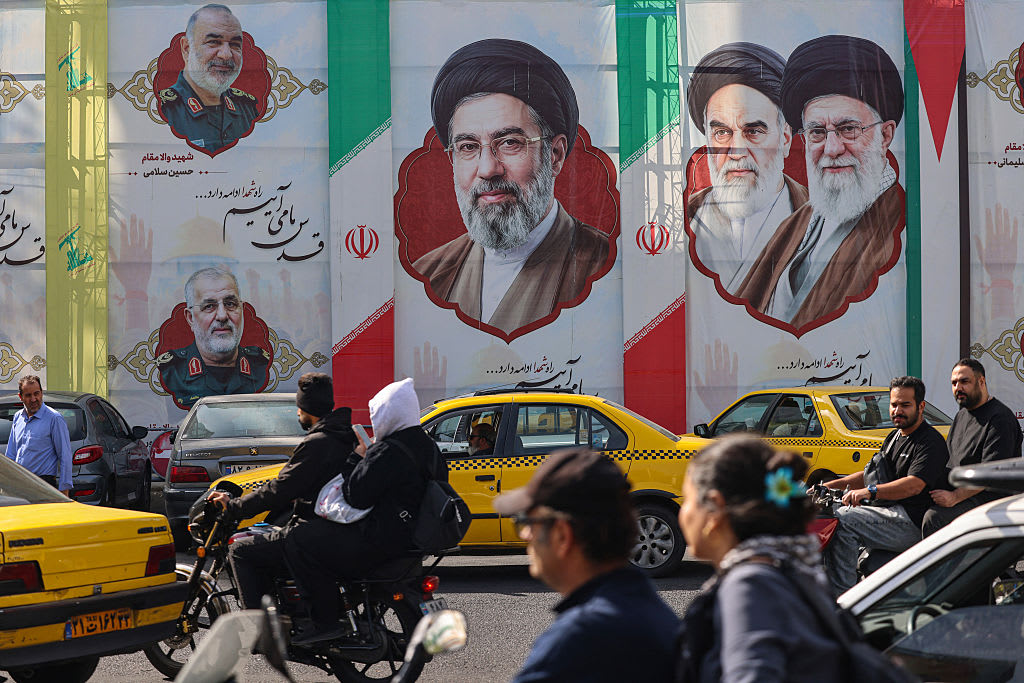
Iran, US far from deal to end war as Tehran threatens response to US strikes

REPORTMiddle East Eye14h ago
Can the world withstand another winter of war?

REPORTMiddle East Eye14h ago
Morning update
REPORTMiddle East Eye15h ago
Trump says US might have to 'go after' Iran's Pickaxe Mountain if no deal is reached
REPORTJerusalem Post — Iran News17h ago
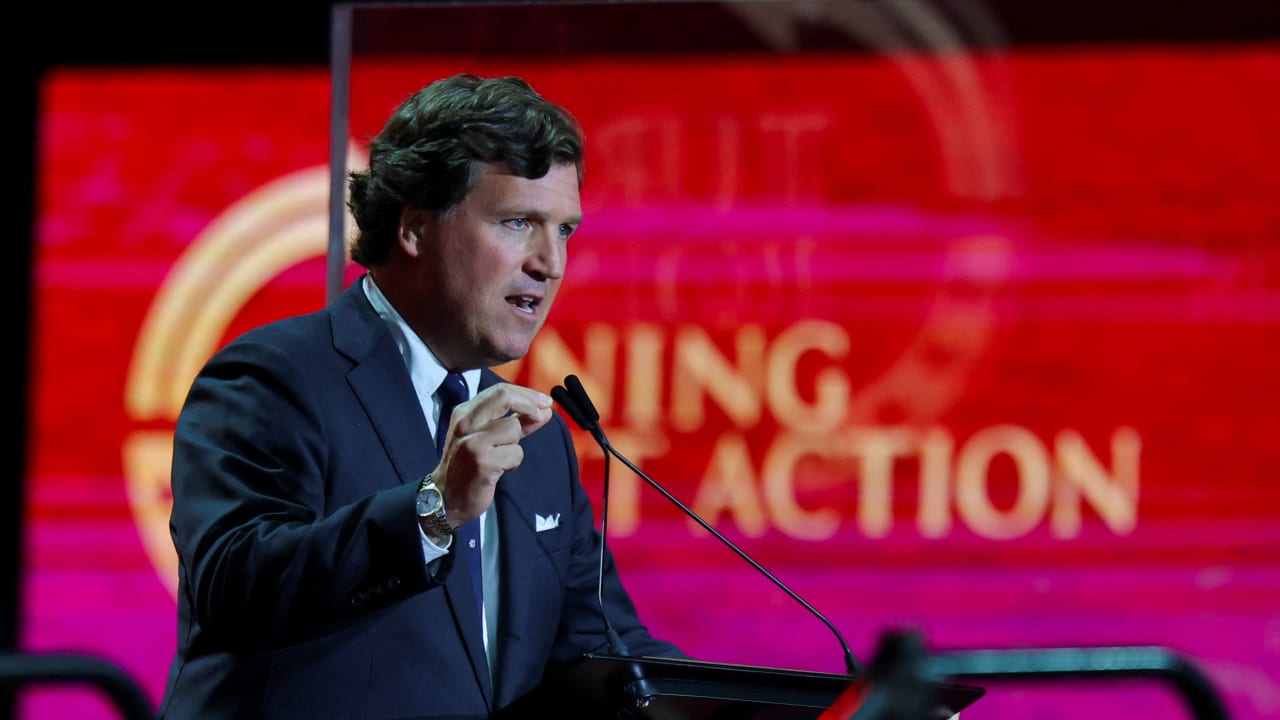
Trump 'days away' from launching nuclear strike on Iran, Tucker Carlson claims
REPORTJerusalem Post — Iran News19h ago