
Ukrainska Pravda
centerREPORTRussian strikes on Kyiv bridges could create "logistical nightmare" for Ukraine, NYT reports
Full BriefGenerated 1d ago
What Happened
Russian forces struck Kyiv's bridges six times between 1 and 3 October, according to The New York Times: five strikes hit the Pivdennyi (South) Bridge and one hit the Pivnichnyi (North) Bridge. On 1 October, two drones struck near the supporting structure of the Pivdennyi Bridge, halting metro and overground traffic for inspection. On 2 October, the Kyiv City Military Administration reported damage to a support, the road surface, and the concrete protection of the metro tracks, and another strike on the Pivdennyi Bridge was recorded. On 3 October, a Russian jet-powered drone struck the Pivnichnyi Bridge, which connects the right and left banks of the Dnipro River. The damage and threat of repeat attacks led to traffic restrictions or a complete halt on five of the city's six road bridges.
Key Actors
- ·Russian Armed Forces(Invading military force)Carried out six strikes on Kyiv's Pivdennyi and Pivnichnyi bridges between 1 and 3 October, according to The New York Times.
- ·Kyiv City Military Administration(Municipal military authority for Kyiv)Reported damage to a bridge support, road surface, and metro track protection on 2 October; imposed traffic restrictions or closures on five of six road bridges.
- ·Ukrainian authorities(National and municipal government bodies)Assessing bridge conditions and facing potential long-term closure of Dnipro crossings, with about 1 million residents on the left bank affected.
Why It Matters
Kyiv's road bridges are the only short crossings over the Dnipro in the capital region; the nearest road bridge south is about 145 km away, a drive of roughly two and a half hours, and downstream crossings closer to the front are more vulnerable to Russian attacks. Prolonged closure would cut food and equipment transport and force long detours, threatening daily commutes for about 1 million left-bank residents and disrupting government and business functions concentrated on the right bank. Ukrainian officials and military experts cited by The New York Times believe the strikes are part of a campaign to destroy Ukraine's economy and undermine its ability to sustain the war effort, alongside Russian attacks on warehouses, railways, data centres, medical facilities, and steel plants.
Watch For
Monitor whether the expert assessment of the Pivdennyi Bridge allows Kyiv Metro to resume trains during 'yellow' drone alerts; whether further Russian strikes damage supporting structures and force indefinite closure of one or more bridges; and whether Ukrainian authorities implement long-term traffic detours or emergency measures affecting the roughly 1 million left-bank residents. Also watch for expansion of Russian attacks on other Dnipro crossings closer to the front.
Generated 1d ago · Based on full articleAuto-Compiled

DAILY BRIEFING
Follow Ukraine–Russia
Get a daily briefing with the most critical developments from every active conflict zone. Concise. Verified. Free.
No spam. Unsubscribe anytime. Verified sources only.
This page aggregates and summarizes reporting from Ukrainska Pravda. The Conflict Pulse does not author original reporting. Read the original source for full coverage.
CONFLICT OVERVIEW
Ukraine–Russia
Latest verified updates on Russia’s war in Ukraine, frontline shifts, drone warfare, Western support, occupied territories, and ceasefire diplomacy.
Active since February 2014
MORE REPORTING ON THIS REGION
Recent reporting from this region. These stories may cover different events.
LATEST FROM UKRAINE–RUSSIA
DEVELOPINGUkrainska Pravda6h ago
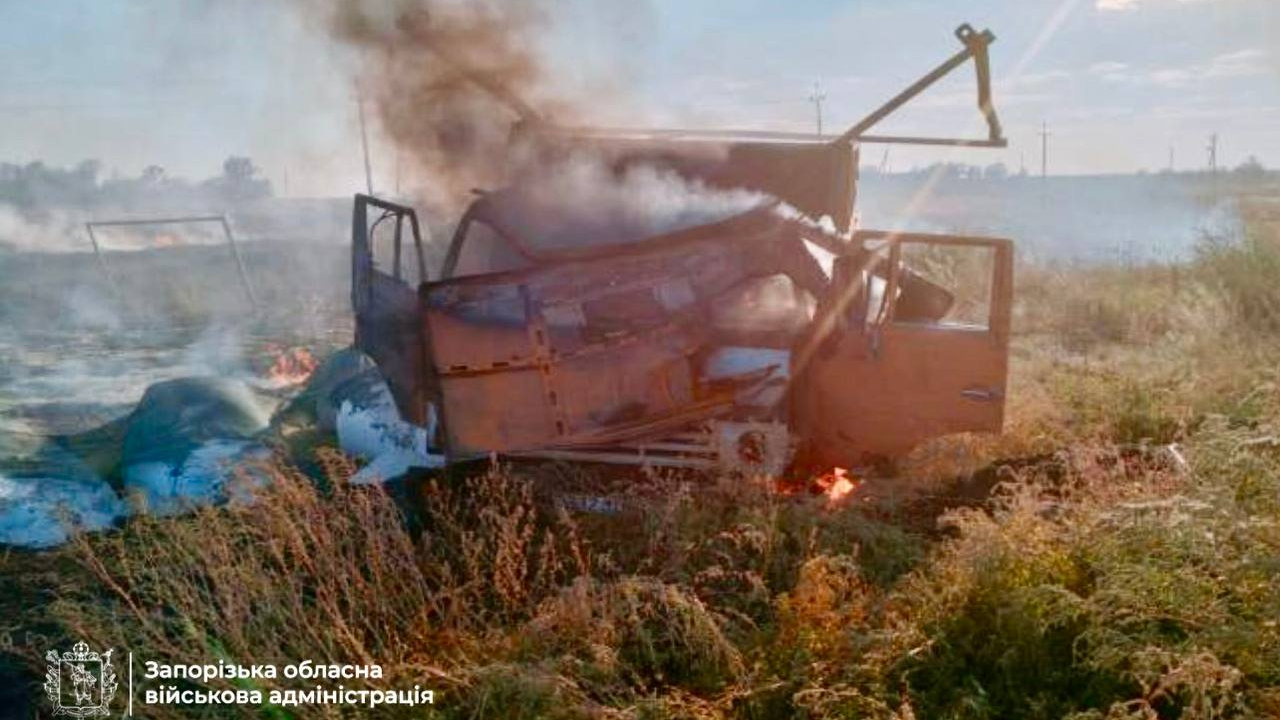
Three killed and six injured in Russian attacks on Zaporizhzhia and Dnipropetrovsk oblasts

DEVELOPINGUkrainska Pravda7h ago
Zelenskyy says Ukraine is developing satellite system similar to Starlink
DEVELOPINGUkrainska Pravda7h ago
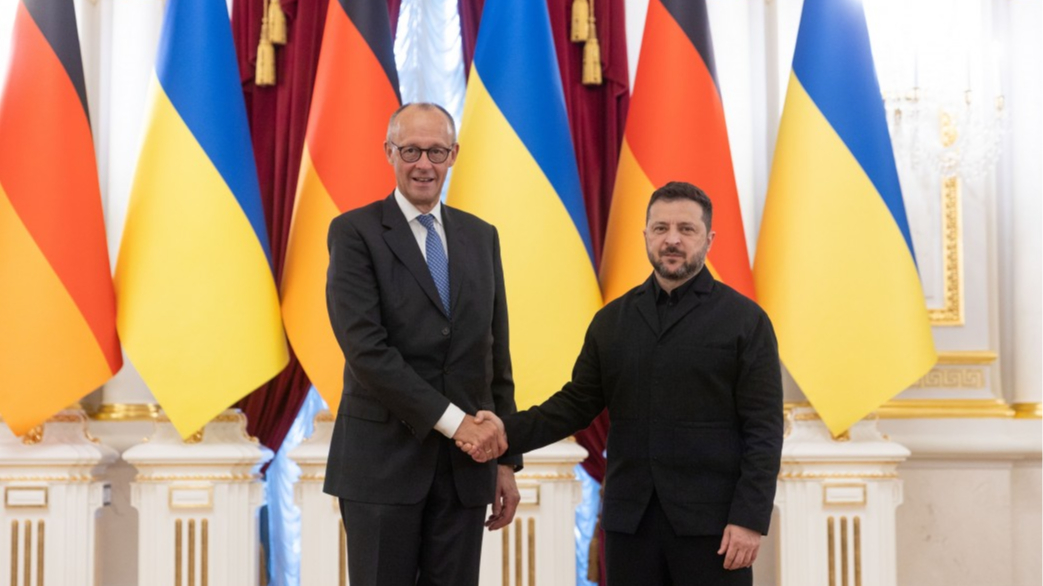
Ukraine and Germany sign series of defence and energy agreements
DEVELOPINGUkrainska Pravda8h ago
Zelenskyy reports successful test of new Ukrainian interceptor
DEVELOPINGUkrainska Pravda8h ago
Zelenskyy says Russia has up to 700 ballistic missiles and several thousand other missiles in stock

DEVELOPINGUkrainska Pravda9h ago