
BBC Europe
centerREPORTRussian families use AI to 'resurrect' loved ones killed in Ukraine
Full BriefGenerated 116d ago
What Happened
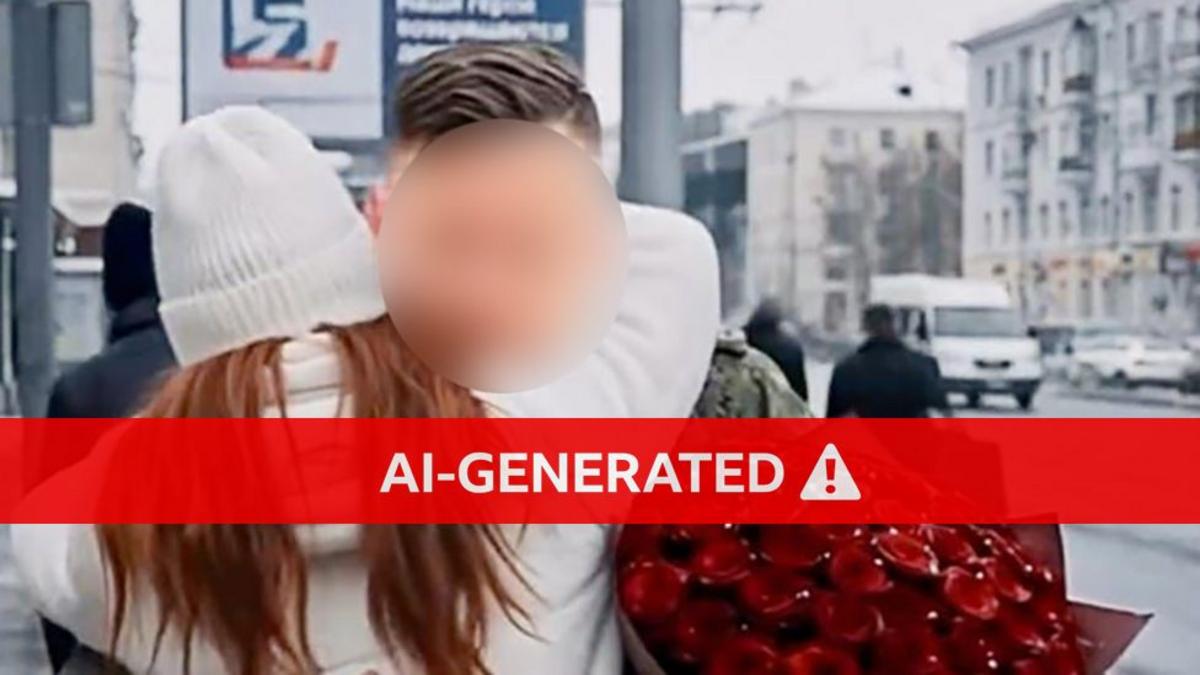
Since mid-2025, Russian families have been using AI-generated deepfake videos to depict soldiers killed in Ukraine returning home as heroes, embracing loved ones, or ascending to heaven. Creators like Katya Jin (with 10 million TikTok followers) and Anna Korableva (who launched her 'Farewell video' project in May 2025) produce these clips, often for a fee ranging from 200 to 10,000 roubles. According to Korableva, most requests come from families of soldiers killed since the 2022 full-scale invasion. The BBC, together with Mediazona and volunteers, has verified at least 225,000 Russian soldier deaths, though the actual toll is believed higher. AI creator Ulyana Lebed, married to a Russian serviceman, told the BBC she earns 150,000–200,000 roubles per month, around twice the Russian average wage. Katya Jin removed her AI content from Instagram and TikTok after the BBC first reported on her story. The practice has provoked sharp reactions: some Russians find it comforting, while others condemn it as exploitative; Ukrainians have expressed outrage, calling it shameful to glorify those 'killing our children.' International generative AI tools have become difficult to access from Russia, driving users to local creators and fueling a profit-making 'digital afterlife' industry.
Key Actors
- ·Katya Jin(Russian blogger and AI content creator)Produced and sold AI-generated videos portraying deceased soldiers as returning heroes; removed content after BBC inquiry.
- ·Anna Korableva(Russian AI content creator, founder of 'Farewell video' project)Charges families for AI videos of fallen soldiers as a way to process grief, focusing on 'unfinished farewells.'
- ·Ulyana Lebed(Russian AI content creator, wife of a Russian serviceman)Earns substantial income (150–200k roubles/month) creating military-themed AI videos, capitalizing on demand from bereaved families.
Why It Matters
The phenomenon exposes the domestic emotional and commercial dimensions of Russia's war dead, filling a gap left by authorities who avoid publicizing casualty figures. It illustrates how international sanctions and tool restrictions inadvertently foster a local profit-driven 'digital afterlife' market. The ethical debate—juxtaposing grief commodification against psychological coping—mirrors broader struggles over memory and narrative control. The videos reinforce a sanitized hero narrative that omits destruction in Ukraine, drawing condemnation from Ukrainians and highlighting the contested space of wartime mourning in an age of accessible synthetic media.
Watch For
Monitor whether Katya Jin resumes AI content after her takedown, and whether other creators like Korableva and Lebed continue to expand their services. Watch for any Russian regulatory response—either crackdowns to suppress unintended casualty acknowledgment or tacit endorsement of these narratives. Observe Ukrainian digital activism countering such content and academic research into the long-term psychological effects of using deepfakes in grief. Also, note any further BBC or Mediazona investigations that could quantify the scale of this industry.
Generated 116d ago · Based on full articleAuto-Compiled
DAILY BRIEFING
Follow Ukraine–Russia
Get a daily briefing with the most critical developments from every active conflict zone. Concise. Verified. Free.
No spam. Unsubscribe anytime. Verified sources only.
This page aggregates and summarizes reporting from BBC Europe. The Conflict Pulse does not author original reporting. Read the original source for full coverage.
CONFLICT OVERVIEW
Ukraine–Russia
Latest verified updates on Russia’s war in Ukraine, frontline shifts, drone warfare, Western support, occupied territories, and ceasefire diplomacy.
Active since February 2014
MORE REPORTING ON THIS REGION
Recent reporting from this region. These stories may cover different events.
LATEST FROM UKRAINE–RUSSIA

DEVELOPINGBBC Asia10h ago
South Korea recalls Ukraine envoy over prisoner-of-war row
DEVELOPINGUkrainska Pravda11h ago
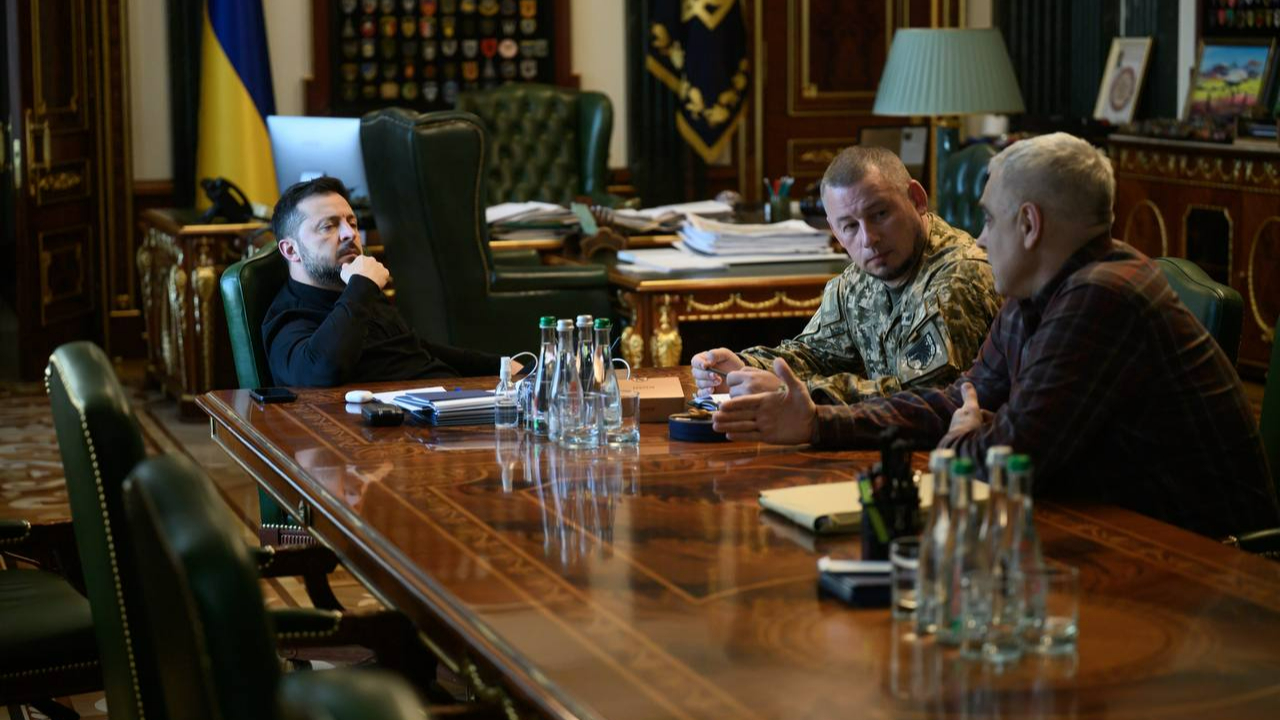
Zelenskyy: We are preparing our responses to this wave of Russian escalation
DEVELOPINGUkrainska Pravda11h ago
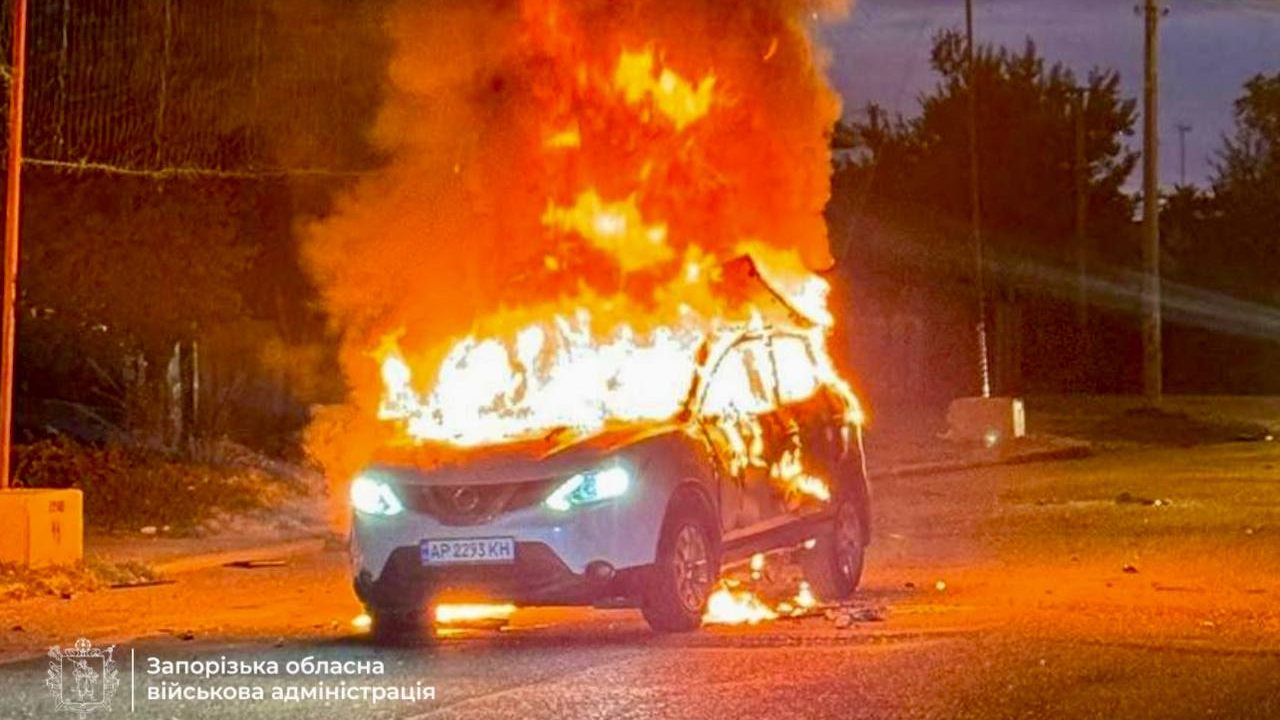
Russian attack on Zaporizhzhia kills driver and injures three adults and two children
DEVELOPINGUkrainska Pravda11h ago
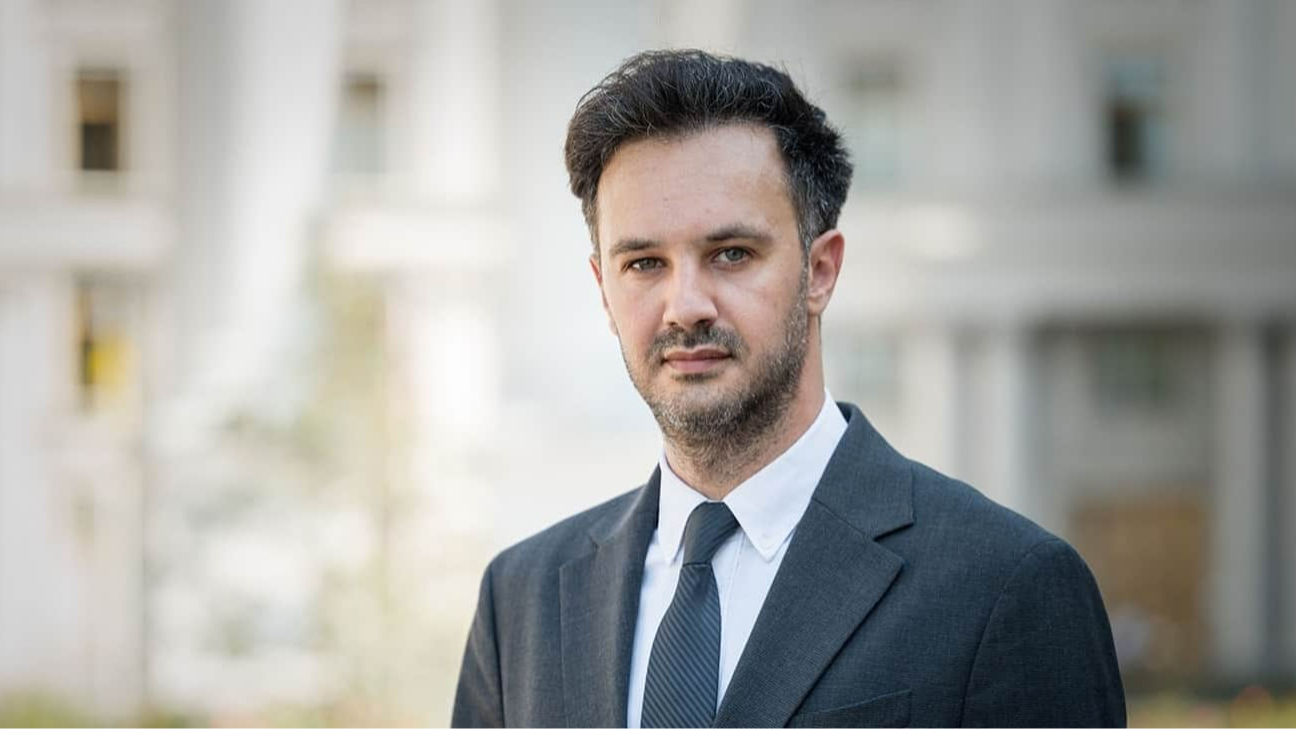
Ukrainian Foreign Ministry on recall of South Korean ambassador: Ukraine is open to resuming dialogue
REPORTUkrainska Pravda12h ago
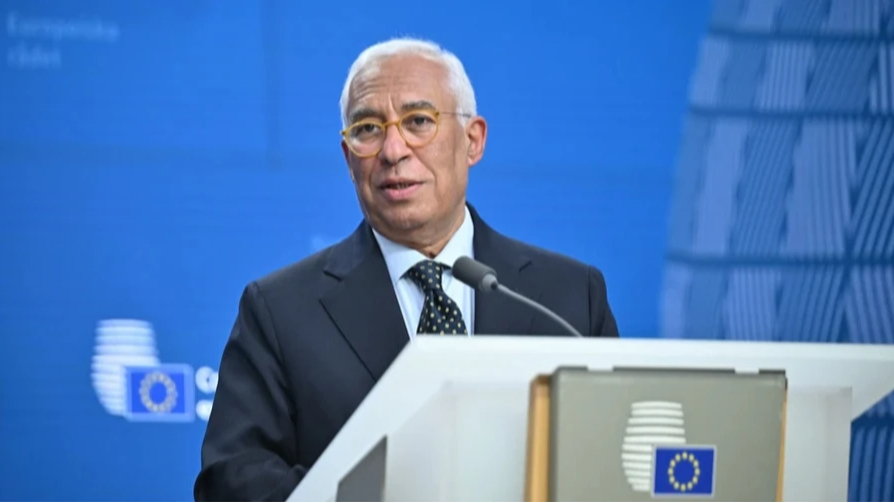
European Council president invites Zelenskyy to EU leaders' summit
REPORTUkrainska Pravda12h ago