
Al Jazeera
centerREPORTRussia-Ukraine war: Why has Putin rejected limits on long-range strikes?
Full BriefGenerated 101d ago
What Happened
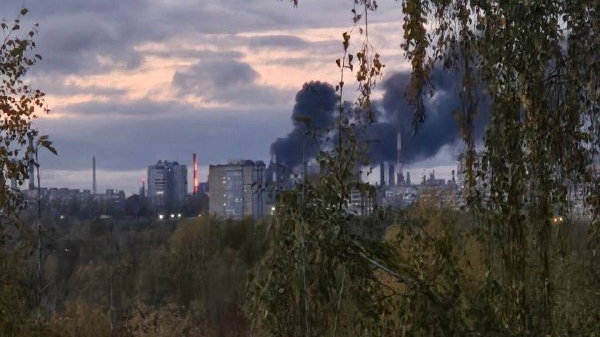
Russian President Vladimir Putin stated on Sunday that he rejected a proposal from Ukraine to mutually halt long-range strikes, claiming the offer was made due to personnel shortages within the Ukrainian Armed Forces. Putin asserted that Russian counterstrikes remain more destructive and that the proposal would not alter the situation along the 1,250km front line. Meanwhile, President Volodymyr Zelenskyy confirmed that Ukrainian forces conducted long-range drone strikes against the Slavyansk and Yaroslavl oil refineries in Russia, located 300km and 700km from the front line, respectively. Russian regional officials, including Krasnodar Governor Veniamin Kondratyev and Yaroslavl Governor Mikhail Yevrayev, reported damage to infrastructure and civilian casualties resulting from these drone operations.
Key Actors
- ·Vladimir Putin(President of Russia)Rejected proposals to limit long-range strikes, citing a desire to maintain Russia's military advantage.
- ·Volodymyr Zelenskyy(President of Ukraine)Confirmed ongoing drone strikes against Russian energy infrastructure to degrade Russia's war-fighting capabilities.
- ·Veniamin Kondratyev(Governor of Krasnodar region)Reported infrastructure damage and civilian casualties following Ukrainian drone strikes in his region.
Why It Matters
The rejection of a mutual strike limitation underscores the strategic importance both sides place on long-range capabilities. Ukraine is utilizing drone strikes to target Russian energy infrastructure and logistics hubs, such as those in Crimea and Krasnodar, to disrupt fuel supplies to the front lines. Conversely, Russia views its own long-range strike capacity as a critical deterrent and a means to maintain pressure on the Ukrainian state, signaling that neither side is currently willing to de-escalate the conflict through negotiated limitations.
Watch For
Monitor for further Ukrainian drone operations targeting Russian oil refineries and energy infrastructure, as well as potential Russian retaliatory strikes against Ukrainian urban centers. Additionally, observe whether any formal diplomatic channels emerge to discuss the reported proposal for limiting long-range attacks, or if the current trajectory of intensified strikes continues to preclude such negotiations.
Generated 101d ago · Based on full articleAuto-Compiled

DAILY BRIEFING
Follow Ukraine–Russia
Get a daily briefing with the most critical developments from every active conflict zone. Concise. Verified. Free.
No spam. Unsubscribe anytime. Verified sources only.
This page aggregates and summarizes reporting from Al Jazeera. The Conflict Pulse does not author original reporting. Read the original source for full coverage.
CONFLICT OVERVIEW
Ukraine–Russia
Latest verified updates on Russia’s war in Ukraine, frontline shifts, drone warfare, Western support, occupied territories, and ceasefire diplomacy.
Active since February 2014
MORE REPORTING ON THIS REGION
Recent reporting from this region. These stories may cover different events.
LATEST FROM UKRAINE–RUSSIA

DEVELOPINGBBC Asia6h ago
South Korea recalls Ukraine envoy over prisoner-of-war row
DEVELOPINGUkrainska Pravda6h ago
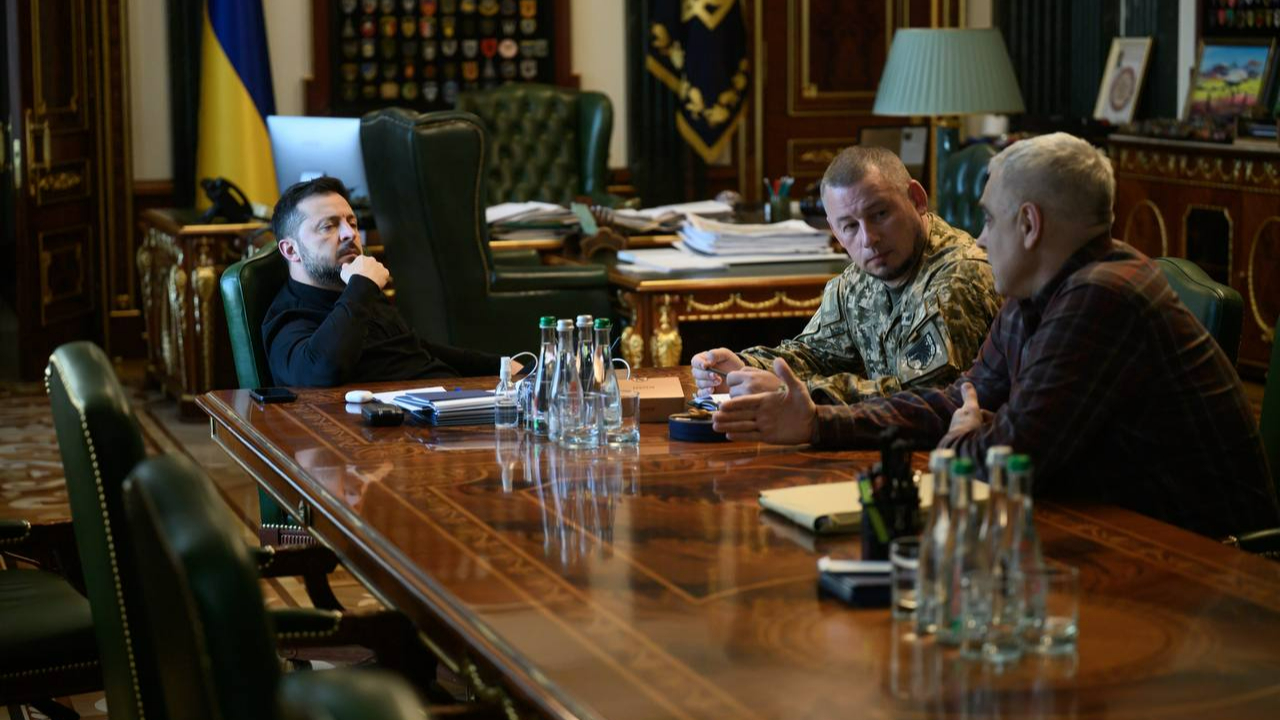
Zelenskyy: We are preparing our responses to this wave of Russian escalation
DEVELOPINGUkrainska Pravda7h ago
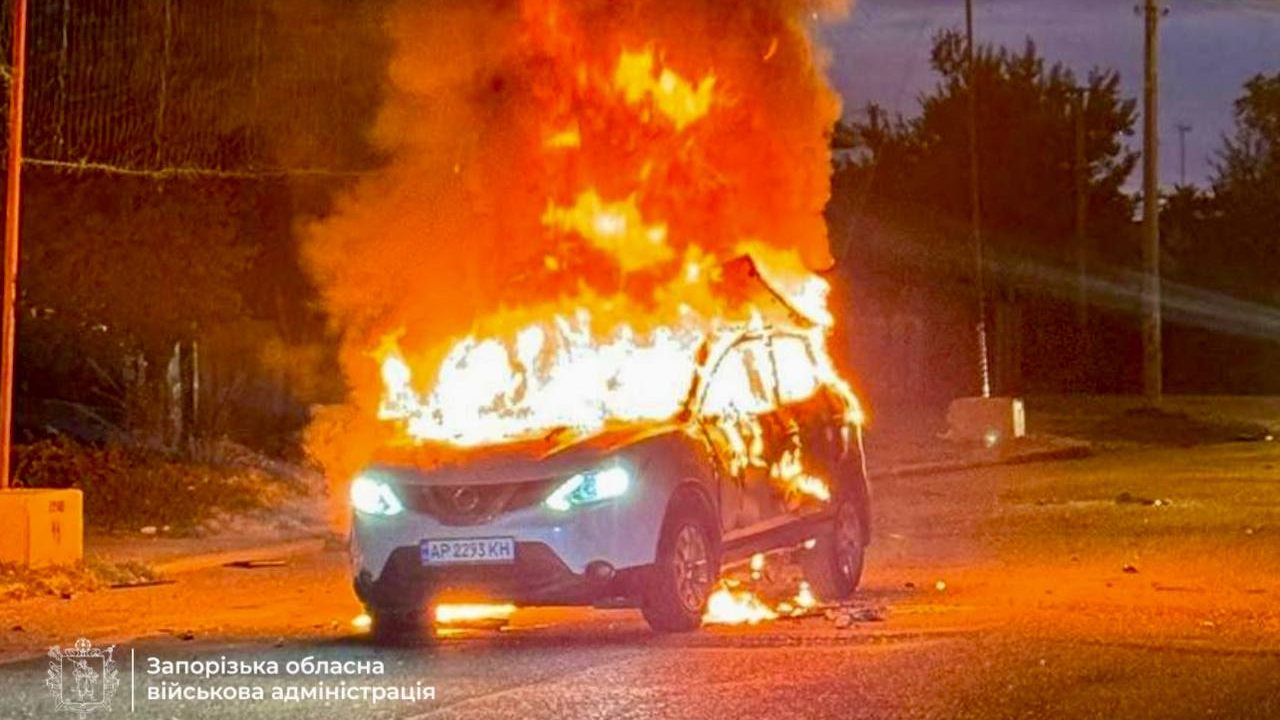
Russian attack on Zaporizhzhia kills driver and injures three adults and two children
DEVELOPINGUkrainska Pravda7h ago
Ukrainian Foreign Ministry on recall of South Korean ambassador: Ukraine is open to resuming dialogue
DEVELOPINGUkrainska Pravda7h ago
European Council president invites Zelenskyy to EU leaders' summit
DEVELOPINGUkrainska Pravda7h ago