
DW News
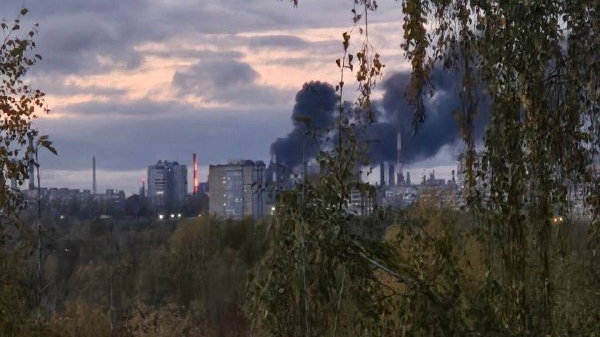
centerREPORTRussia's fuel crisis: Is Putin under pressure?
Full BriefGenerated 98d ago
What Happened
Ukrainian forces have significantly increased drone strikes against Russian energy infrastructure, targeting refineries in Moscow, Nizhnekamsk, Tyumen, and Volgograd throughout June 2026. Reuters reported that these strikes contributed to a 25% decline in gasoline production, leaving Russia with a daily output of 85,000 metric tons against a summer demand of 110,000 metric tons. Russian President Vladimir Putin acknowledged 'certain fuel shortages' on June 28, while reports from RBC and Vyorstka indicate that between 40 and 78 Russian regions have implemented fuel sale restrictions. Additionally, Ukrainian strikes on logistics routes 20 to 200 kilometers behind the front lines are reportedly hindering the delivery of fuel, ammunition, and reconnaissance drones to Russian units in the Zaporizhzhia and Donetsk regions.
Key Actors
- ·Vladimir Putin(President of Russia)Publicly acknowledged fuel shortages for the first time on June 28 while maintaining that damaged facilities are being repaired.
- ·Volodymyr Zelenskyy(President of Ukraine)Characterized the strikes on fuel depots and refineries as 'long- and medium-term sanctions' intended to compel Moscow to negotiate.
- ·Institute for the Study of War (ISW)(Washington-based think tank)Identified a shift in Ukrainian strategy involving increased drone quantity and quality, alongside efforts to destroy Russian air defense systems.
Why It Matters
The campaign represents a strategic effort by Ukraine to degrade Russia's domestic economic stability and military logistics capacity. By targeting the 'jewel in the crown' of Russian conquests—Crimea—and critical energy infrastructure, Kyiv aims to create sufficient internal pressure to force the Kremlin into peace negotiations on Ukrainian terms, though analysts note this carries the risk of Russian military escalation.
Watch For
Monitor the duration of the state of emergency in occupied Crimea and Sevastopol, which has been in effect since June 26. Observers are also tracking whether the fuel shortages lead to further Russian mobilization of reservists or the deployment of the approximately 150,000 conscripts currently held in reserve, as suggested by analysts as potential, albeit politically costly, Russian responses.
Generated 98d ago · Based on full articleAuto-Compiled
NO IMAGE AVAILABLEDW News
DAILY BRIEFING
Follow Ukraine–Russia
Get a daily briefing with the most critical developments from every active conflict zone. Concise. Verified. Free.
No spam. Unsubscribe anytime. Verified sources only.
This page aggregates and summarizes reporting from DW News. The Conflict Pulse does not author original reporting. Read the original source for full coverage.
CONFLICT OVERVIEW
Ukraine–Russia
Latest verified updates on Russia’s war in Ukraine, frontline shifts, drone warfare, Western support, occupied territories, and ceasefire diplomacy.
Active since February 2014
MORE REPORTING ON THIS REGION
Recent reporting from this region. These stories may cover different events.
LATEST FROM UKRAINE–RUSSIA

DEVELOPINGBBC Asia6h ago
South Korea recalls Ukraine envoy over prisoner-of-war row
DEVELOPINGUkrainska Pravda6h ago
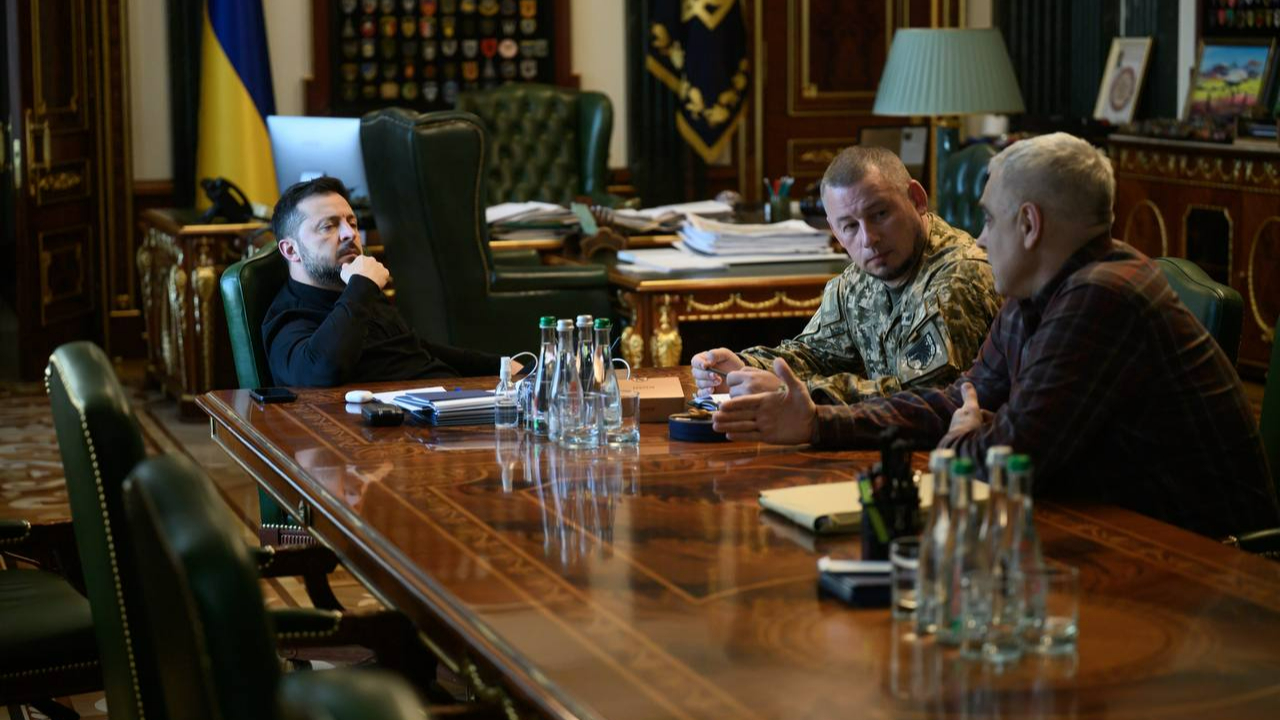
Zelenskyy: We are preparing our responses to this wave of Russian escalation
DEVELOPINGUkrainska Pravda7h ago
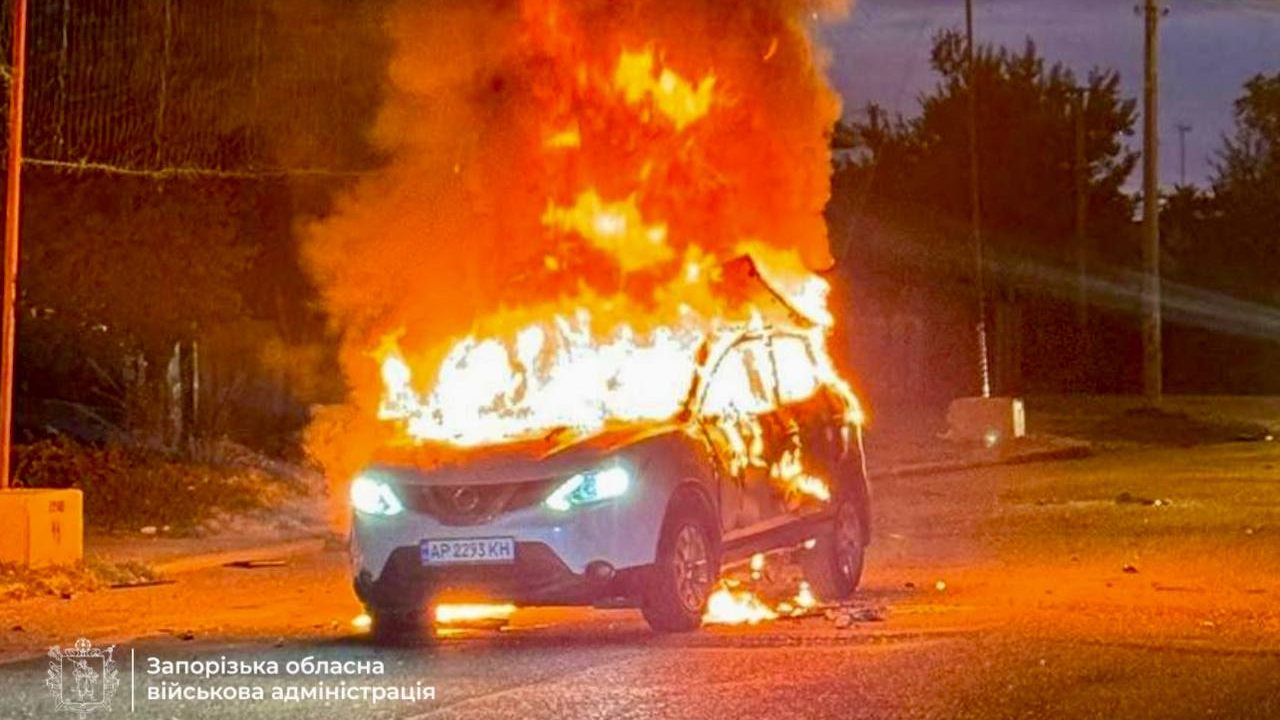
Russian attack on Zaporizhzhia kills driver and injures three adults and two children
DEVELOPINGUkrainska Pravda7h ago
Ukrainian Foreign Ministry on recall of South Korean ambassador: Ukraine is open to resuming dialogue
DEVELOPINGUkrainska Pravda7h ago
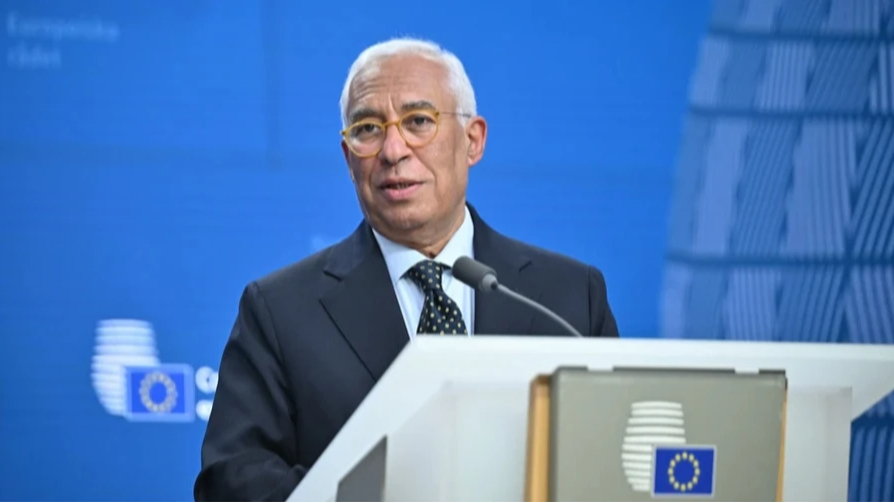
European Council president invites Zelenskyy to EU leaders' summit
DEVELOPINGUkrainska Pravda8h ago