
aljazeera.com
centerREPORTRussia drops record number of glide bombs on Ukraine as casualties pile up
Full BriefGenerated 61d ago
What Happened
In July, Russia deployed a record 8,300 glide bombs against Ukraine, according to Ukraine’s defence ministry. The General Staff of the Armed Forces of Ukraine claimed 42,800 Russian casualties in July, the highest monthly rate this year, with President Zelenskyy attributing 30,272 to drone strikes. Meanwhile, Ukraine renewed a 40-day air strike campaign on August 4, with the Security Service (SBU) claiming hits on 14 refineries, dozens of oil depots, 14 aircraft, and four airfields across Russia, including a Lukoil refinery in Volgograd, the Slavneft-Yanos refinery in Yaroslavl, and the Engels 2 and Saratov airfields. Ukraine launched approximately 10,000 long-range drones monthly, with Moscow mayor Sergei Sobyanin reporting 6,225 drones targeted the capital in July. The campaign severely disrupted Crimea’s power grid, leading to rolling blackouts, per Kremlin ambassador-at-large Rodion Miroshnik. Ukraine also claimed to have sunk or disabled 206 Russian tankers and ferries in the Black and Azov seas. On the ground, the Institute for the Study of War estimated Russia captured only 37.85 sq km in July, compared with 455,000 sq km in July 2025, and has lost a net 183.5 sq km of Ukrainian territory this year. Russian forces continued infiltration tactics, particularly near Kostiantynivka, though many gains were reversed by Ukrainian defenders.
Key Actors
- ·Ukrainian General Staff(Military command of the Armed Forces of Ukraine)Claimed 42,800 Russian casualties in July, the highest monthly rate of 2026.
- ·President Zelenskyy(Head of state of Ukraine)Launched and renewed a 40-day air strike campaign; asserted 30,272 Russian casualties from drones in July.
- ·Russian Armed Forces(Military forces of the Russian Federation)Deployed a record 8,300 glide bombs in July and conducted infiltration operations near Kostiantynivka.
- ·Institute for the Study of War (ISW)(Washington-based think tank)Estimated limited Russian territorial gains of 37.85 sq km in July and a net loss of 183.5 sq km in 2026.
Why It Matters
The record glide bomb use highlights Russia’s reliance on munitions Ukraine cannot adequately intercept, while Ukraine’s drone campaign is degrading Russian military logistics and energy infrastructure, with potential political pressure from Crimea’s energy crisis. The high Russian casualty rate and minimal territorial gains suggest eroding Russian offensive capacity, but the threat of a 500,000-reservist call-up in October, as warned by Zelenskyy, could shift the war’s trajectory and test Putin’s domestic support.
Watch For
Monitor the potential call-up of Russian reservists in October; the progress of Ukraine’s extended air strike campaign, particularly against remaining energy and military targets; the battle for Kostiantynivka and the effectiveness of Russian infiltration; and any retaliatory escalations or changes in territorial control.
Generated 61d ago · Based on full articleAuto-Compiled

DAILY BRIEFING
Follow Ukraine–Russia
Get a daily briefing with the most critical developments from every active conflict zone. Concise. Verified. Free.
No spam. Unsubscribe anytime. Verified sources only.
This page aggregates and summarizes reporting from aljazeera.com. The Conflict Pulse does not author original reporting. Read the original source for full coverage.
CONFLICT OVERVIEW
Ukraine–Russia
Latest verified updates on Russia’s war in Ukraine, frontline shifts, drone warfare, Western support, occupied territories, and ceasefire diplomacy.
Active since February 2014
MORE REPORTING ON THIS REGION
Recent reporting from this region. These stories may cover different events.
LATEST FROM UKRAINE–RUSSIA
DEVELOPINGUkrainska Pravda2h ago
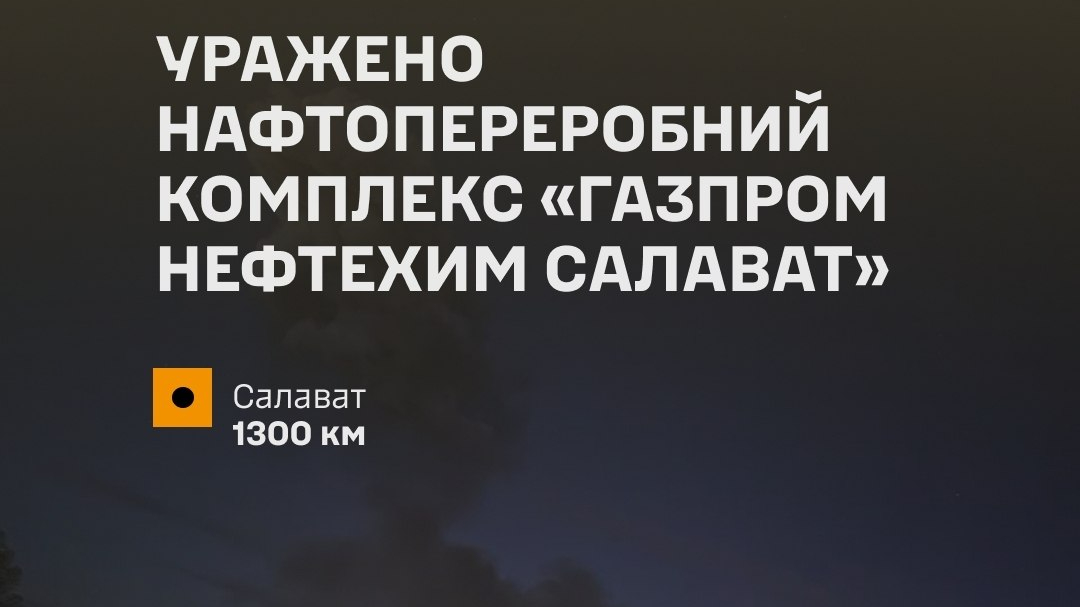
Ukraine's defence forces strike Gazprom oil refinery in Bashkortostan, 1,400 km from border
DEVELOPINGUkrainska Pravda3h ago
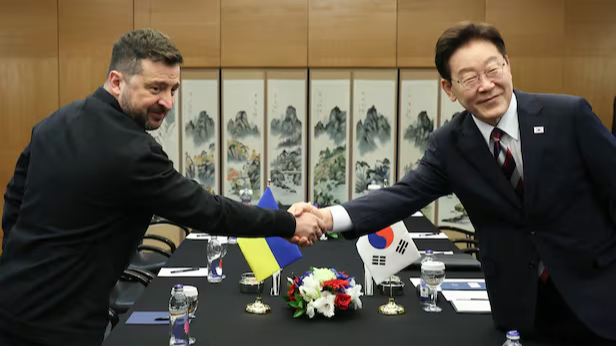
South Korea recalls its ambassador to Ukraine amid dispute over North Korean POWs

DEVELOPINGUkrainska Pravda4h ago
Rubio says diplomatic negotiations to end war in Ukraine are "proving elusive"
DEVELOPINGUkrainska Pravda4h ago
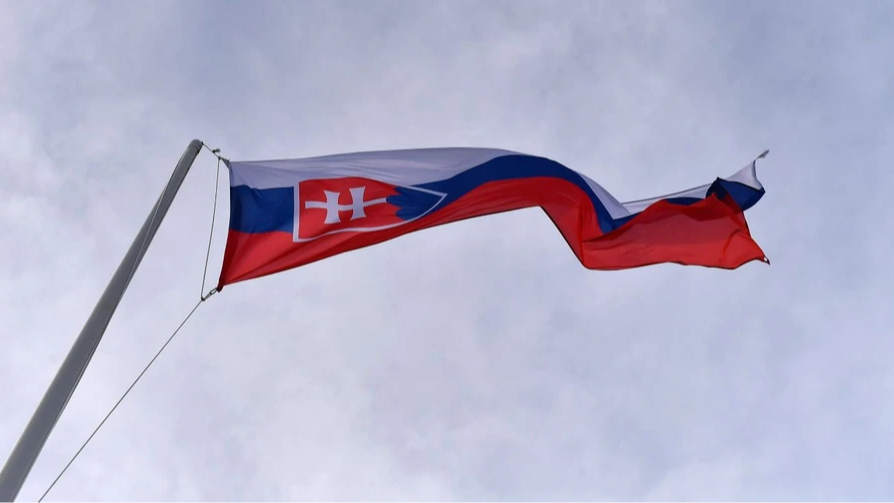
Slovakia sends military attaché back to Russia for first time in 4 years
DEVELOPINGUkrainska Pravda5h ago
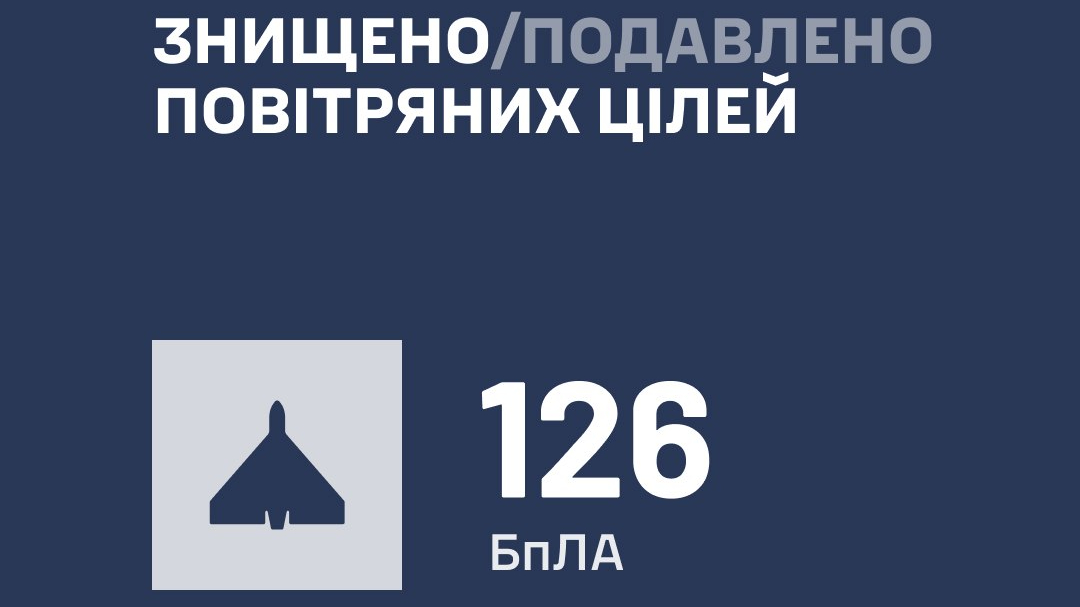
Russia attacked Ukraine with 142 drones overnight, 126 aerial assets brought down

DEVELOPINGUkrainska Pravda5h ago