
The Intercept
leftREPORTRepublicans Are Desperate to Pretend They Never Supported the War With Iran
Only in defeat are Republicans eager to distance themselves from the war they used to champion.
Full BriefGenerated 17d ago
What Happened
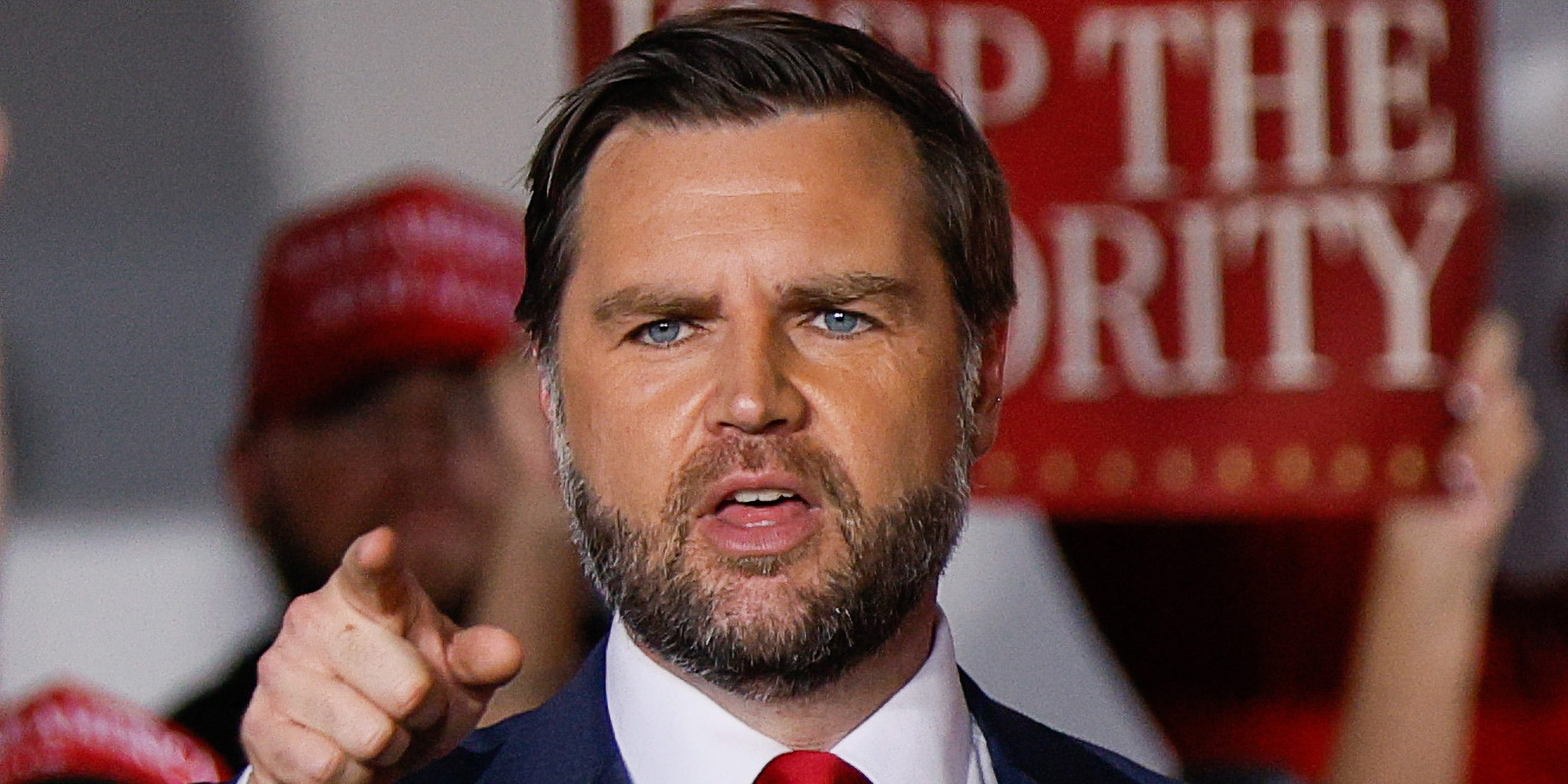
Following significant losses in the U.S. midterm elections, prominent members of the Republican Party have publicly distanced themselves from the ongoing U.S. military conflict with Iran. Vice President JD Vance attributed the party's electoral defeat directly to the war, while President Donald Trump maintained his defense of the military operations, stating that the actions were necessary. The political shift follows reports of economic strain, specifically rising costs for oil, diesel, and fertilizer, which voters cited as a primary concern.
Key Actors
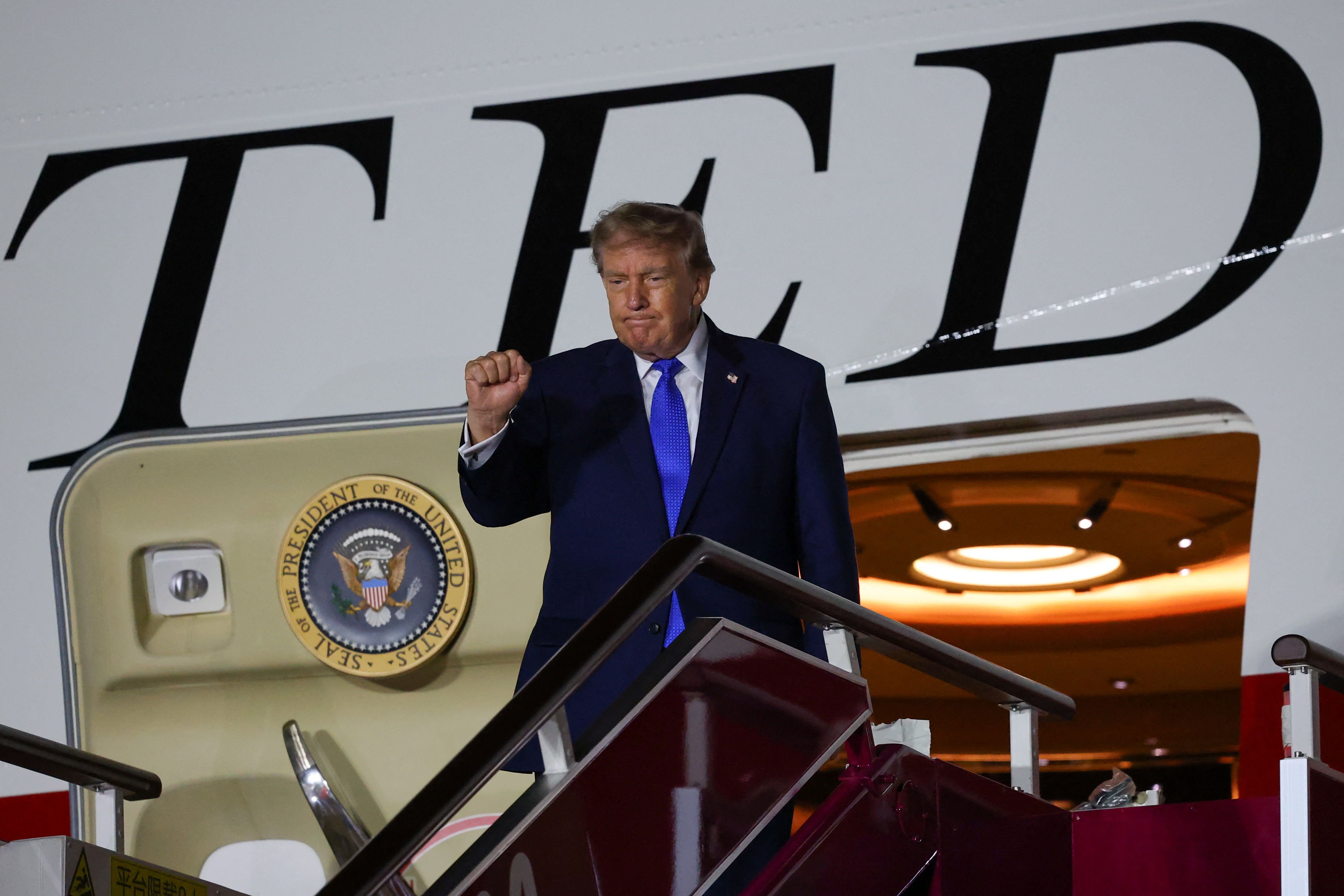
- ·Donald Trump(President of the United States)Maintains that the military campaign against Iran was a necessary action that must continue.
- ·JD Vance(Vice President of the United States)Identified the ongoing conflict with Iran as the primary cause for the Republican Party's electoral losses.
- ·Ashley Hinson(Former Republican Senate candidate)Advocated for an immediate end to the war while simultaneously voting against House measures to halt military attacks.
- ·Mike Rogers(Former Republican Senate candidate)Shifted from describing the conflict as a potential win to calling for a rapid conclusion due to economic fallout.
Why It Matters
The internal Republican debate over the conflict with Iran highlights a significant fracture in the party's foreign policy platform, pitting the 'America First' non-interventionist wing against the administration's current military strategy. The electoral consequences of the war, as evidenced by the midterm results, suggest that the conflict has become a major liability for the party's future electoral prospects and presidential succession planning.
Watch For
Monitor potential shifts in U.S. legislative efforts to invoke war-powers resolutions to constrain the executive branch's military authority. Additionally, observe how potential 2028 presidential candidates, such as Ron DeSantis, navigate the tension between supporting the current administration's military posture and addressing voter dissatisfaction with the economic impacts of the conflict.
Generated 17d ago · Based on full articleAuto-Compiled
This page aggregates and summarizes reporting from The Intercept. The Conflict Pulse does not author original reporting. Read the original source for full coverage.
CONFLICT OVERVIEW
Iran
Latest verified updates on Iran’s regional confrontation, U.S.–Israeli strikes, missile retaliation, proxy networks, sanctions, and Strait of Hormuz risks.
MORE REPORTING ON THIS REGION
Recent reporting from this region. These stories may cover different events.
LATEST FROM IRAN

DEVELOPINGJerusalem Post — Iran News5h ago
US sanctions more than two dozen targets in Iran’s shadow banking network

DEVELOPINGMiddle East Eye6h ago
Qatar needs US and Iran to resume talks to end war, PM says

DEVELOPINGJerusalem Post — Iran News8h ago
Iran faces growing food shortages, but regime collapse unlikely during war, expert warns
REPORTJerusalem Post — Iran News18h ago
Trump has 'best opportunity' to strike Iran before new Congress takes office, ex-diplomat says

REPORTJerusalem Post — Iran News19h ago
Iranian attacks on ships near Strait of Hormuz hit highest level since war began, data shows

REPORTMiddle East Eye19h ago