
BBC Middle East
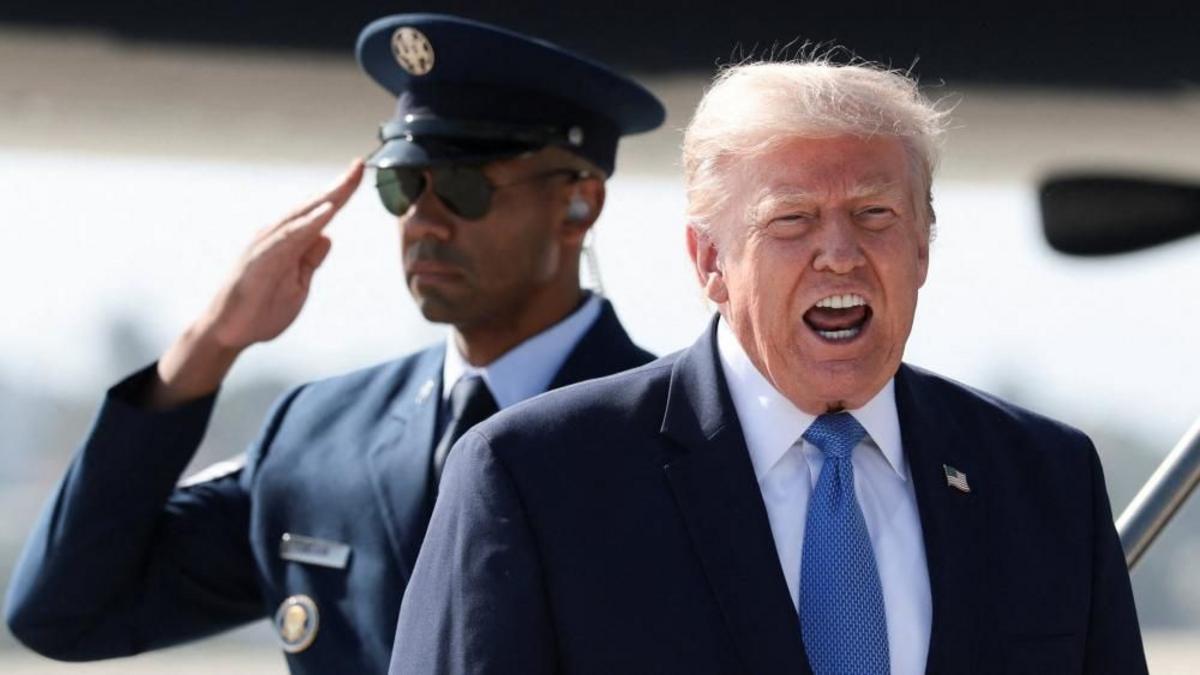
centerREPORTTrump says Iran will be 'hit very hard' if Hormuz Strait not open soon as oil prices fall
Full BriefGenerated 88d ago
What Happened
Oil prices dropped to a three-week low on Tuesday, with Brent crude falling almost 5% to under $80 a barrel and US West Texas Intermediate down over 5% to $76 a barrel, after US Secretary of State Marco Rubio and Treasury Secretary Scott Bessent indicated progress in talks to reopen the Strait of Hormuz. Rubio told reporters there had been progress but not finality, while Bessent told CNBC a deal could be reached as soon as Tuesday or Wednesday to allow freedom of movement through the strait. No details of the agreement were released. The waterway has been disrupted since the conflict between the US and Iran began in late February, and it normally handles about one-fifth of global daily oil and LNG supplies. Iran stated it is not negotiating with the US and has no plans to do so, instead talking to Oman. Qatar, a key mediator, said it was continuing efforts but admitted no direct talks were currently planned. President Donald Trump had warned Iran on Monday of a 'last chance' to agree a deal, adding he had called off 'massive' strikes for talks to resume.
Key Actors
- ·Marco Rubio(US Secretary of State)Announced progress in talks with Iran and Oman to reopen the Strait of Hormuz, but said no finality yet.
- ·Scott Bessent(US Treasury Secretary)Said a deal to reopen the strait could be agreed as soon as Tuesday or Wednesday, describing it as 'freedom of movement'.
- ·Iran(State actor)Asserted it is not negotiating with the US and has no plans to do so, instead talking to Oman.
- ·Oman(Mediator)Engaged in separate talks with Iran regarding the strait, per US officials.
Why It Matters
The Strait of Hormuz is a critical chokepoint for global energy supplies, with its disruption since late February driving up oil and fuel prices worldwide. A deal to reopen it would directly ease supply constraints and reduce costs for consumers and industries, while also signaling a potential de-escalation in the US-Iran standoff that has included military threats and sanctions. The volatility underscores the market's sensitivity to diplomatic signals, and failure could reignite price spikes and deepen the conflict.
Watch For
Monitor whether a formal deal is announced on Tuesday or Wednesday as Bessent indicated, and any immediate impact on shipping through the strait. Watch for statements from Iran, Oman, or Qatar clarifying the status of negotiations, and observe oil price reactions. Trump's 'last chance' ultimatum and the backdrop of called-off strikes suggest that a breakdown could rapidly escalate military tensions, so any signs of impasse or renewed threats will be critical.
Generated 88d ago · Based on full articleAuto-Compiled
DAILY BRIEFING
Follow Iran
Get a daily briefing with the most critical developments from every active conflict zone. Concise. Verified. Free.
No spam. Unsubscribe anytime. Verified sources only.
This page aggregates and summarizes reporting from BBC Middle East. The Conflict Pulse does not author original reporting. Read the original source for full coverage.
CONFLICT OVERVIEW
Iran
Latest verified updates on Iran’s regional confrontation, U.S.–Israeli strikes, missile retaliation, proxy networks, sanctions, and Strait of Hormuz risks.
MORE REPORTING ON THIS REGION
Recent reporting from this region. These stories may cover different events.
LATEST FROM IRAN

DEVELOPINGJerusalem Post — Iran News8h ago
Iran debating whether to maintain ban on nuclear weapons, regime's security chief Rezaei says
DEVELOPINGJerusalem Post — Iran News10h ago
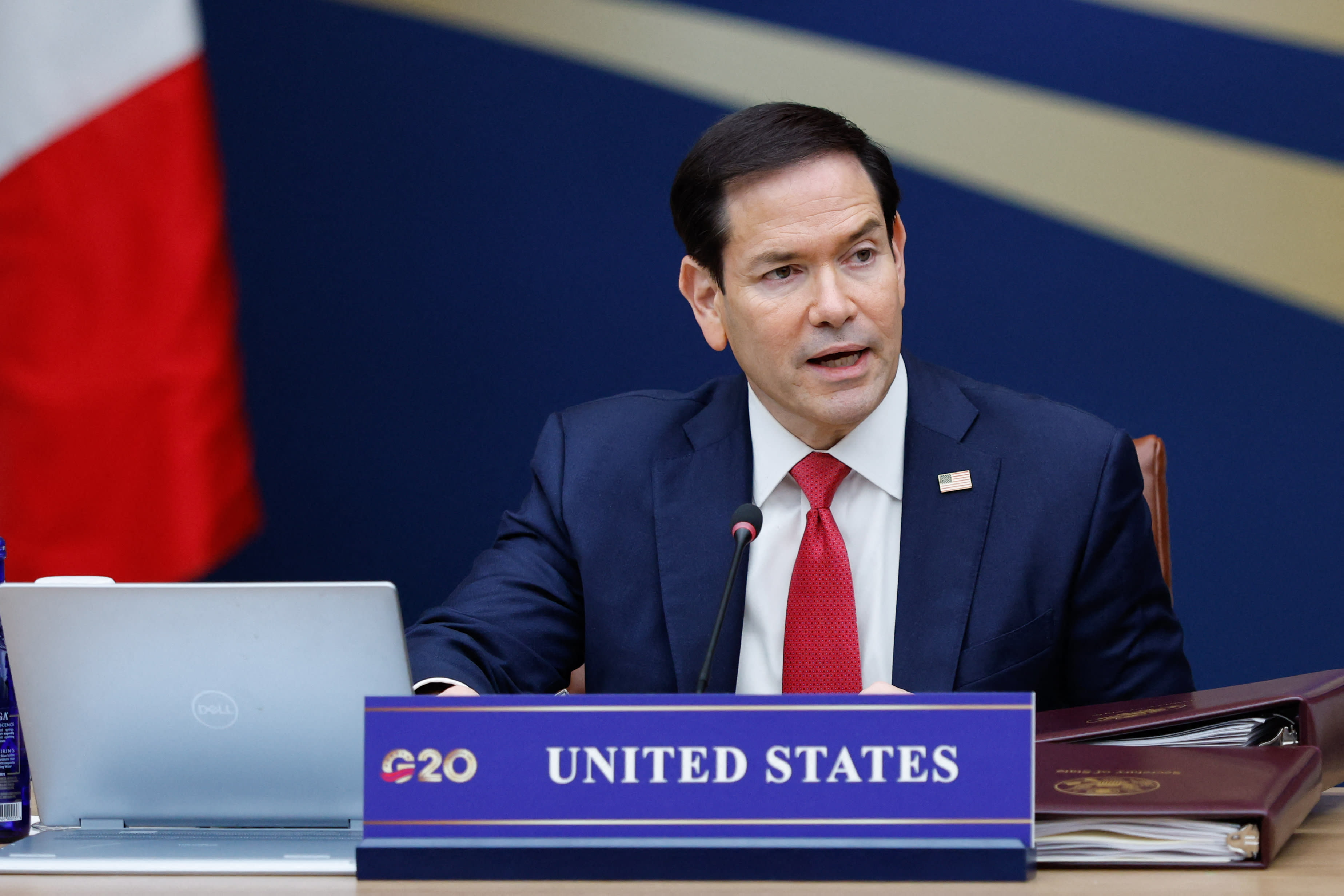
Trump 'has not made a decision' on Iran, Rubio tells press

REPORTMiddle East Eye13h ago
Trump has not decided whether to resume strikes on Iran, Rubio says
REPORTJerusalem Post — Iran News14h ago
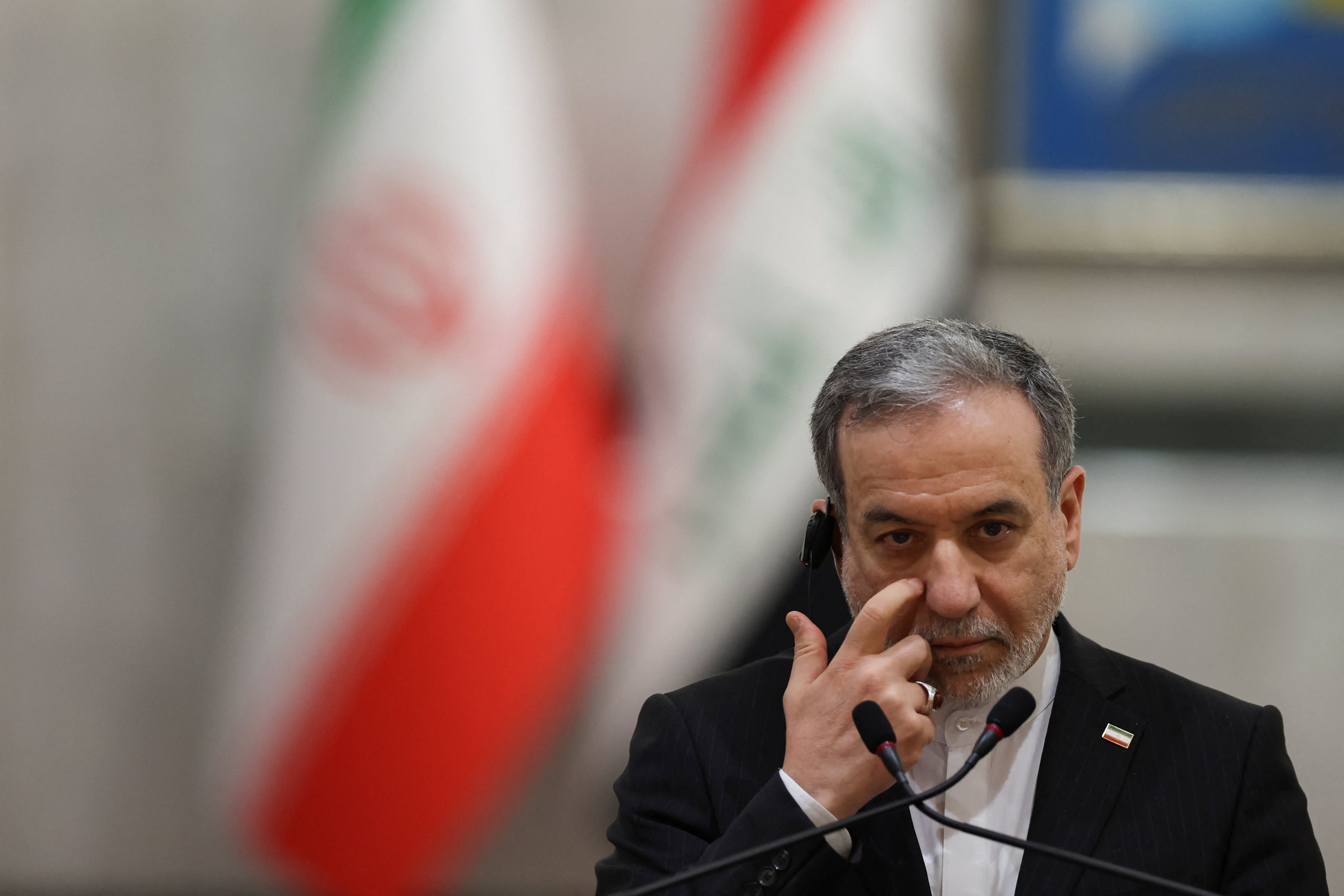
Araghchi says Vance's letter 'positive step' toward opening dialogue between Iran, US
REPORTMiddle East Eye14h ago
Araghchi says Iran prepared for war as Tehran sets conditions for Hormuz reopening

REPORTAl Jazeera15h ago