France 24 Middle East
centerNew round of Israel-Lebanon talks opens after Israeli strikes

Full BriefGenerated 1d ago
What Happened
Israeli and Lebanese ambassadors convened for a fourth round of direct talks at the U.S. State Department in Washington, with the session scheduled to span two days. The meeting follows statements by President Donald Trump claiming he secured de-escalation commitments from both Israel and Lebanon, though the specific nature of these commitments was not detailed. The talks represent the latest effort to manage tensions between the two countries, which do not maintain formal diplomatic relations, and come in the wake of recent Israeli strikes on Lebanese territory that preceded the negotiations.
Key Actors
- ·Israeli Ambassador(Israeli diplomatic representative to the United States)Participating in direct negotiations with Lebanon under U.S. mediation following reported de-escalation commitments to President Trump.
- ·Lebanese Ambassador(Lebanese diplomatic representative to the United States)Engaging in direct talks with Israel through U.S. facilitation after recent Israeli strikes on Lebanese territory.
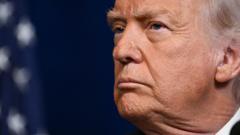
- ·Donald Trump(President of the United States)Claims to have obtained de-escalation commitments from both Israel and Lebanon, positioning the U.S. as mediator in the bilateral talks.
- ·U.S. State Department(United States foreign affairs ministry)Hosting the fourth round of Israel-Lebanon negotiations, providing neutral diplomatic venue for countries without formal relations.
Why It Matters
The resumption of direct Israel-Lebanon talks signals continued U.S. efforts to prevent escalation along the volatile Israel-Lebanon border, where Hezbollah maintains significant military infrastructure and periodic clashes threaten broader regional conflict. The fact that this is the fourth such meeting indicates an ongoing diplomatic track despite the absence of formal relations between the two states, suggesting both parties see value in maintaining communication channels even as military actions continue. Trump's claim of securing de-escalation commitments, if substantive, could represent a shift from previous rounds where no concrete agreements were publicly announced, though the lack of detail raises questions about enforceability and scope.
Watch For
Monitor for any joint statements or readouts from the State Department at the conclusion of the two-day session, which would indicate whether concrete agreements on border security, airspace violations, or Hezbollah positioning were reached. Watch for Israeli military activity in southern Lebanon or Lebanese airspace during and immediately after the talks, as continued strikes would undermine Trump's claimed de-escalation commitments. Track whether a fifth round of talks is scheduled, which would signal sustained diplomatic engagement, or whether the absence of follow-up meetings suggests the process has stalled. Any statements from Hezbollah regarding the talks will be significant, as the group is not directly represented but remains the dominant military force in southern Lebanon.
Generated 1d ago · Based on full articleAuto-Compiled
This page aggregates and summarizes reporting from France 24 Middle East. The Conflict Pulse does not author original reporting. Read the original source for full coverage.
CONFLICT OVERVIEW
United States
Latest verified updates on U.S. military operations, foreign policy decisions, alliance pressure, sanctions, maritime security, and global power projection.
Active since May 2020
SOURCE PERSPECTIVES
How outlets across the bias spectrum are covering this conflict.
LATEST FROM UNITED STATES