
dw.com
centerREPORTNew Gaza peace plan : Will US pressure Israel to accede ?
Full BriefGenerated 66d ago
What Happened
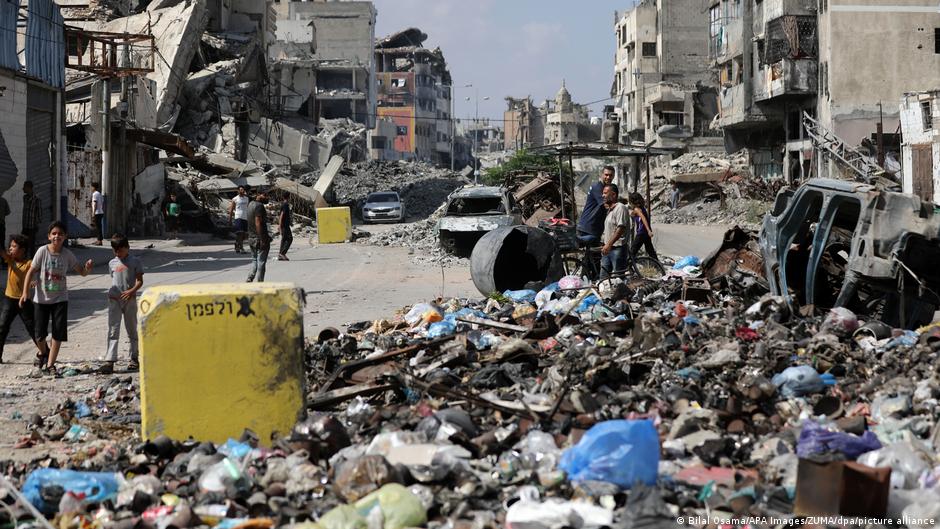
On August 4, 2026, a new 15-point Gaza peace plan announced by US President Donald Trump last week has stalled amid Israeli rejection. Hamas had agreed in July to disarm and hand over its weapons to the National Committee for the Administration of Gaza (NCAG), a technocratic body, breaking a years-long stalemate. Israel immediately expressed displeasure; a spokesperson for Prime Minister Netanyahu's office stated the public version did not reflect Israel's positions, and far-right minister Itamar Ben-Gvir called the deal 'unacceptable', insisting that 'assassinations in Gaza must continue.' After a Monday meeting between Netanyahu and the US-led Board of Peace, the plan's phased approach was abandoned: Israel would now only be asked to withdraw after Hamas is completely disarmed. Trump's administration indicated disappointment and hinted at possible pressure, but experts question whether Trump would impose real costs on the US-Israeli relationship.
Key Actors
- ·Hamas(Militant group governing Gaza)Agreed to disarm and transfer its weapons to the NCAG, a historic concession made under diplomatic pressure and to expose Israeli obstruction.
- ·Israeli Prime Minister Benjamin Netanyahu(Head of the Israeli government)Rejected the public version of the peace plan, facing electoral pressure in October 2026 that makes concessions politically risky.
- ·US President Donald Trump(President of the United States)Announced the peace plan and signaled possible pressure on Israel, releasing the plan without prior Israeli consultation and warning of disappointment if Israel does not comply.
- ·National Committee for the Administration of Gaza (NCAG)(Technocratic governing body for Gaza)Designated recipient of Hamas's weapons and powers, set up to govern Gaza post-conflict.
Why It Matters
The deal could end a war that has killed over 73,000 people in Gaza, according to the UN commission of inquiry, and resolve the sequencing dispute that has blocked prior ceasefires. Hamas's disarmament removes a key Israeli demand, but Israel's political dynamics—with a far-right coalition and looming elections—make acceptance fraught. The outcome tests US credibility as a mediator and could reshape Gaza's governance and the broader Israeli-Palestinian conflict if Trump applies unprecedented pressure on Netanyahu.
Watch For
Israel's October 2026 elections will heavily influence Netanyahu's willingness to accept the plan. Concrete US actions to pressure Israel—such as threats to aid, intelligence cooperation, or diplomatic backing—will reveal Trump's commitment. The next phases of negotiations after the Board of Peace meeting could solidify the sequencing reversal, potentially collapsing the deal. Any renewed Hamas violence or Israeli military operations could derail disarmament efforts.
Generated 66d ago · Based on full articleAuto-Compiled
DAILY BRIEFING
Follow Israel–Palestine
Get a daily briefing with the most critical developments from every active conflict zone. Concise. Verified. Free.
No spam. Unsubscribe anytime. Verified sources only.
This page aggregates and summarizes reporting from dw.com. The Conflict Pulse does not author original reporting. Read the original source for full coverage.
CONFLICT OVERVIEW
Israel–Palestine
Latest verified updates on Gaza, the West Bank, Israeli military operations, Palestinian politics, humanitarian conditions, and international diplomacy.
Active since May 1948
MORE REPORTING ON THIS REGION
Recent reporting from this region. These stories may cover different events.
LATEST FROM ISRAEL–PALESTINE

DEVELOPINGMiddle East Eye4h ago
Home of Jewish anti-Zionist activist set on fire in Jerusalem, Voices of Rabbis says

DEVELOPINGAl Jazeera7h ago
Israeli drone attack wounds six in Lebanon near Syria border
DEVELOPINGMiddle East Eye11h ago
Israeli drone strike wounds six in northeast Lebanon near Syrian border

REPORTMiddle East Eye12h ago
Israeli settlers and troops target olive harvesters, wedding convoy in West Bank attacks

REPORTAl Jazeera13h ago
Gaza ceasefire ‘exists in name only’, more than 100 NGOs say
REPORTMiddle East Eye14h ago