
Middle East Eye
centerREPORTNegative views of Israel soar across 36 countries since Iran war, survey finds
Full BriefGenerated 134d ago
What Happened
A Pew Research Center survey of 36 countries found a marked increase in unfavourable views of Israel since the onset of the Iran war, with nearly every country surveyed now hosting majorities holding negative views of Israel. The survey, conducted across diverse regions, indicates a significant deterioration in Israel's global standing compared to pre-war polling data. Specific percentage shifts and country-by-country breakdowns were not detailed in the available excerpt, but the trend is described as universal across the sample, suggesting broad international disapproval linked to the conflict with Iran and associated military actions.
Key Actors
- ·Pew Research Center(Independent polling and research organisation)Conducted the 36-country survey documenting the rise in negative views of Israel since the Iran war began.
- ·Israel(State actor and subject of the survey)Faces near-universal majority disapproval across the surveyed countries, reflecting a sharp decline in global perception tied to the Iran conflict.
- ·Iran(State actor and conflict party)The war with Iran is identified as the temporal marker for the shift in international opinion against Israel.
Why It Matters
The survey documents a significant erosion of Israel's international legitimacy at a time when it is engaged in a multi-front conflict, potentially complicating diplomatic efforts to secure arms transfers, coalition support, or sanctions relief. Broad-based public disapproval in allied and neutral states may constrain governments' willingness to provide overt political or military backing, particularly in democracies where public opinion influences foreign policy. The timing—amid the Iran war—suggests that specific military actions, casualty figures, or humanitarian impacts associated with that conflict have catalysed a global reassessment of Israel's conduct, with potential long-term consequences for its strategic partnerships and regional isolation.
Watch For
Monitor whether the polling data prompts policy shifts in key allied capitals, particularly Washington, Berlin, or London, where public pressure may influence arms export licenses or UN voting patterns. Watch for Israeli government responses, including public diplomacy campaigns or shifts in military strategy aimed at mitigating reputational damage. Track whether the survey results are cited in upcoming UN General Assembly resolutions, ICC proceedings, or sanctions debates, as they may provide empirical backing for diplomatic isolation efforts. Any follow-up Pew surveys or regional breakdowns will clarify whether the trend is stabilising or accelerating.
Generated 134d ago · Based on full articleAuto-Compiled

DAILY BRIEFING
Follow Israel–Palestine
Get a daily briefing with the most critical developments from every active conflict zone. Concise. Verified. Free.
No spam. Unsubscribe anytime. Verified sources only.
This page aggregates and summarizes reporting from Middle East Eye. The Conflict Pulse does not author original reporting. Read the original source for full coverage.
CONFLICT OVERVIEW
Israel–Palestine
Latest verified updates on Gaza, the West Bank, Israeli military operations, Palestinian politics, humanitarian conditions, and international diplomacy.
Active since May 1948
MORE REPORTING ON THIS REGION
Recent reporting from this region. These stories may cover different events.
LATEST FROM ISRAEL–PALESTINE

DEVELOPINGMiddle East Eye4h ago
Lebanon to join trilateral talks with Israel and US in Florida next week, Aoun says

DEVELOPINGBBC Middle East5h ago
European diplomats attacked by Israeli settlers in West Bank

DEVELOPINGAl Jazeera5h ago
Israeli drone attacks kill six Palestinians across Gaza despite ‘ceasefire’

DEVELOPINGMiddle East Eye6h ago
French mayor attacked by settlers in West Bank says Israel ‘tolerates’ settler violence
DEVELOPINGThe Guardian Middle East6h ago
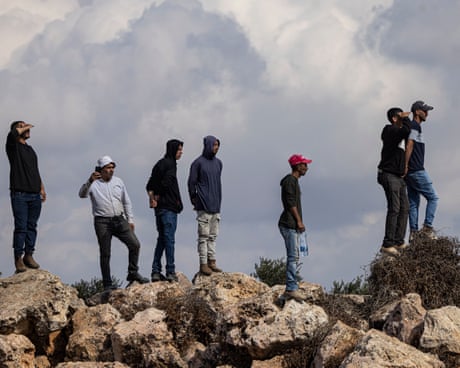
Masked settlers attack European diplomats in occupied West Bank

DEVELOPINGAl Jazeera6h ago