
The Guardian Middle East
leftREPORTUN experts warn against ‘surging Israeli settler terror’ – as it happened
Full BriefGenerated 138d ago
What Happened
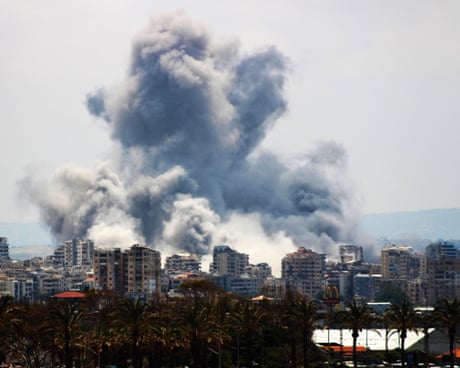
Iran announced it will suspend peace negotiations with the United States until Israel ceases military operations in Lebanon and Gaza, according to a report from the IRGC-linked Tasnim news agency. The announcement comes amid an exchange of strikes between US and Iranian forces targeting American bases in the region, and follows an order by Israeli Prime Minister Benjamin Netanyahu for continued bombing of southern Lebanon. Iran has maintained control over the Strait of Hormuz, disrupting global energy supplies, while both American and Iranian officials have been attempting to negotiate an extension of a current ceasefire that has seen repeated violations.
Key Actors
- ·Iran(Islamic Republic of Iran government and IRGC)Suspended peace talks with the US, maintains control of Strait of Hormuz, and is conducting strikes on American bases in the region
- ·United States(US government and military forces)Engaged in negotiations with Iran for ceasefire extension while exchanging strikes with Iranian forces
- ·Benjamin Netanyahu(Israeli Prime Minister)Ordered continued Israeli bombing operations in southern Lebanon
- ·Israel(Israeli Defense Forces)Conducting military operations in Lebanon and Gaza that Iran cites as precondition for resuming talks
Why It Matters
Iran's suspension of US peace talks directly links the trajectory of American-Iranian détente to Israeli military operations, effectively giving Tehran veto power over the negotiation timeline while it maintains its blockade of the Strait of Hormuz—a chokepoint for approximately 21% of global petroleum liquids. The ongoing exchange of strikes between US and Iranian forces demonstrates that the current ceasefire framework is failing to prevent escalation, raising the risk of a broader regional conflict that could disrupt energy markets and draw the US into direct confrontation with Iran while American forces remain deployed across multiple Middle Eastern bases.
Watch For
Monitor whether the US responds to Iran's suspension by adjusting pressure on Israel regarding Gaza and Lebanon operations, or whether Washington proceeds with unilateral measures. Track the frequency and scale of strikes between US and Iranian forces to assess whether the current exchange represents tactical probing or a prelude to sustained military confrontation. Watch for any Iranian moves to tighten control over the Strait of Hormuz, including seizures of additional vessels or expanded exclusion zones, which would signal Tehran's willingness to escalate economic pressure. Observe whether the current ceasefire's repeated violations lead to its formal collapse or whether negotiators can salvage an extension despite the suspension of broader peace talks.
Generated 138d ago · Based on full articleAuto-Compiled
DAILY BRIEFING
Follow Israel–Palestine
Get a daily briefing with the most critical developments from every active conflict zone. Concise. Verified. Free.
No spam. Unsubscribe anytime. Verified sources only.
This page aggregates and summarizes reporting from The Guardian Middle East. The Conflict Pulse does not author original reporting. Read the original source for full coverage.
CONFLICT OVERVIEW
Israel–Palestine
Latest verified updates on Gaza, the West Bank, Israeli military operations, Palestinian politics, humanitarian conditions, and international diplomacy.
Active since May 1948
MORE REPORTING ON THIS REGION
Recent reporting from this region. These stories may cover different events.
LATEST FROM ISRAEL–PALESTINE

DEVELOPINGMiddle East Eye7h ago
Lebanon to join trilateral talks with Israel and US in Florida next week, Aoun says

DEVELOPINGBBC Middle East8h ago
European diplomats attacked by Israeli settlers in West Bank

DEVELOPINGAl Jazeera8h ago
Israeli drone attacks kill six Palestinians across Gaza despite ‘ceasefire’

DEVELOPINGMiddle East Eye9h ago
French mayor attacked by settlers in West Bank says Israel ‘tolerates’ settler violence
DEVELOPINGThe Guardian Middle East9h ago
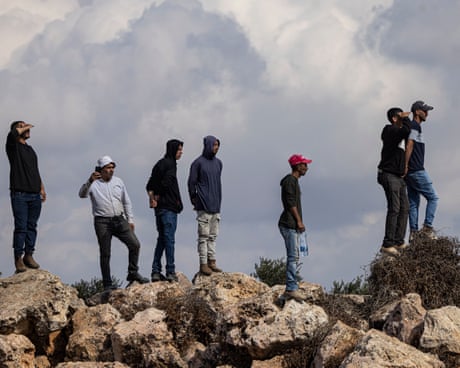
Masked settlers attack European diplomats in occupied West Bank

DEVELOPINGAl Jazeera10h ago