
dw.com
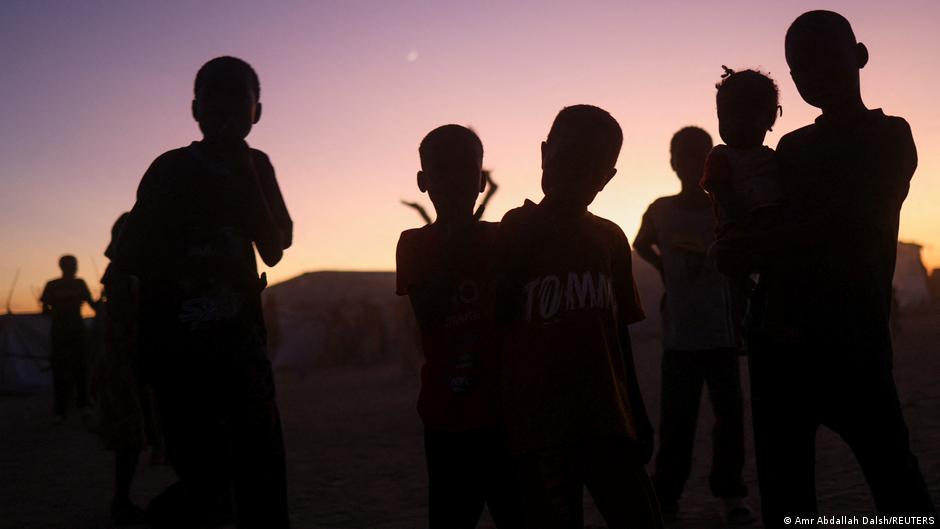
centerREPORTMercenaries and defectors abound in Sudan war
Full BriefGenerated 113d ago
What Happened
Senior Rapid Support Forces (RSF) commanders Al-Nour Ahmed Adam ('Al-Nour Al-Qubba') and Ali Rizq Allah ('Al-Savannah') defected to the Sudanese Armed Forces (SAF) led by General Abdel Fattah al-Burhan earlier this year. Both were involved in the RSF's capture of El Fasher in October 2025, where Human Rights Watch (HRW) documented war crimes. Al-Burhan has repeatedly offered a general amnesty to RSF members who surrender, but HRW could not verify whether the latest defectors received such guarantees. The Armed Conflict Location & Event Data Project (ACLED) interprets the defections as a sign of internal RSF tensions and competition for spoils. Separately, HRW published an 83-page report detailing how the UAE-based Global Security Services Group (GSSG) recruited hundreds of Colombian mercenaries since 2024 to fight alongside the RSF, using social media content and interviews to trace their deployment from UAE facilities to Sudan. The report adds to accusations that the UAE has supplied the RSF with Chinese-made drones, small arms, vehicles, and ammunition—support that former US envoy Cameron Hudson claimed is 'the only thing that is keeping them in this war.'
Key Actors
- ·Sudanese Armed Forces (SAF)(Military forces of the internationally recognized Sudanese government)Recipients of high-level RSF defectors; led by General Abdel Fattah al-Burhan, who offers amnesty to RSF members willing to switch sides.
- ·Rapid Support Forces (RSF)(Paramilitary group at war with the SAF, controlling much of western Sudan)Suffering defections of senior commanders amid reported internal fragmentation and competition for resources, according to ACLED.
- ·United Arab Emirates (UAE)(Foreign backer accused of providing military and logistical support to the RSF)Denies allegations of arming the RSF; HRW documented a UAE-based security company facilitating deployment of Colombian mercenaries.
- ·Human Rights Watch (HRW)(International human rights monitoring and advocacy organization)Documented RSF war crimes in El Fasher and exposed UAE-linked recruitment of Colombian mercenaries; urges accountability regardless of defections.
Why It Matters
The defections expose cracks within the RSF's command structure and may signal a turning point in a conflict that has ravaged Sudan since 2023. External patronage—particularly from the UAE—has been decisive in sustaining the RSF, raising concerns about the internationalization of the war and the circumvention of arms embargoes. The involvement of Colombian mercenaries introduces a new layer of foreign fighters, complicating accountability and potentially exacerbating human rights abuses. The SAF's amnesty policy risks granting impunity to commanders implicated in war crimes, undermining justice prospects for Sudanese victims.
Watch For
Monitor whether the SAF grants formal amnesty to Al-Nour Al-Qubba and Ali Rizq Allah, and whether international bodies press for their prosecution. Watch for further RSF defections or internal clashes as cohesion erodes. Expect diplomatic responses to HRW's report, particularly from the UAE and Colombian governments, and possible UN Security Council scrutiny of UAE arms transfers. Sudanese civil society and HRW will likely intensify calls for accountability mechanisms for all war crimes, regardless of faction.
Generated 113d ago · Based on full articleAuto-Compiled
DAILY BRIEFING
Follow Myanmar
Get a daily briefing with the most critical developments from every active conflict zone. Concise. Verified. Free.
No spam. Unsubscribe anytime. Verified sources only.
This page aggregates and summarizes reporting from dw.com. The Conflict Pulse does not author original reporting. Read the original source for full coverage.
CONFLICT OVERVIEW
Myanmar
Latest verified updates on Myanmar’s post-coup civil war, junta operations, resistance gains, ethnic armed groups, displacement, and regional diplomacy.
Active since May 2021
MORE REPORTING ON THIS REGION
Recent reporting from this region. These stories may cover different events.
LATEST FROM MYANMAR

REPORTAl Jazeera4d ago
Why is Malaysia sending back Rohingya refugees to Myanmar?

REPORTAl Jazeera5d ago
Malaysia gave refuge to Rohingya; now it wants them to go

REPORTAl Jazeera5d ago
Malaysia begins sending back Rohingya refugees despite safety warnings

REPORTMyanmar Now5d ago
Malaysia starts sending Myanmar migrants home

REPORTAl Jazeera6d ago
Myanmar army air strike kills dozens in Rakhine state
REPORTThe Guardian Asia6d ago