Jerusalem Post — Iran News
rightDEVELOPINGMake no mistake: Why Iran's nuclear future is at the heart of the Hormuz wars - analysis

As long as Iran knows that Trump fears going back to war and hitting them anywhere sensitive, why would they make concessions on nuclear weapons?.
Full BriefGenerated 3h ago
What Happened
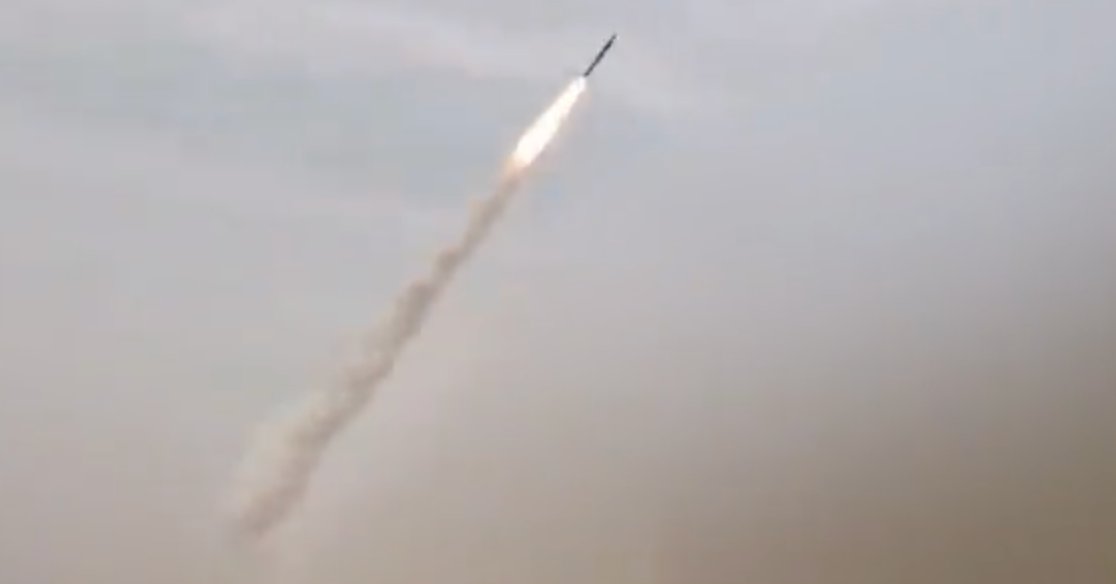
Following Israeli and US strikes on Iran's nuclear programme in June 2025 and early 2026, which pushed back its weaponisation timeline, Iran retains over 400 kilograms of 60% highly enriched uranium buried in rubble. A deal brokered by US President Donald Trump in June 2026 established a basis for removing or neutralising this material, but Iran has since used intermittent clashes in the Strait of Hormuz to pressure Washington into backing away from those nuclear concessions. In the latest flare-up, Iran attacked ships near Oman that had not registered with Tehran, and targeted US-allied vessels, prompting US forces to strike over 80 Iranian positions and small vessels around the strait. Iran immediately retaliated by hitting American Arab allies and US bases, signalling disregard for the tactical US strikes, which avoided targets of strategic value. The tit-for-tat is understood as an Iranian effort to exploit Trump's aversion to a return to full-scale war—and rising gas prices—to wring better terms from the postwar nuclear arrangement.
Key Actors
- ·Iran(State actor)Using periodic attacks in the Strait of Hormuz to pressure the US into relaxing commitments to remove its stockpile of 60% enriched uranium.
- ·United States(Counterparty and guarantor of the June 2026 nuclear deal)President Trump seeks to enforce nuclear concessions while avoiding escalation that would spike oil prices and reverse postwar economic gains.
- ·Israel(Regional military power and nuclear threat target)Previously struck Iranian nuclear sites alongside the US; deeply concerned that Iran could wriggle out of enrichment limits and shorten its breakout timeline.
Why It Matters
The Strait of Hormuz is a critical chokepoint for global energy shipments. If Iran succeeds in leveraging instability there to escape its nuclear enrichment commitments, it could bring its breakout time to a nuclear weapon back down to months, reigniting a regional arms race and increasing the risk of direct US-Iran or Israeli-Iran confrontation. The outcome of this pressure campaign will determine whether the postwar nuclear framework holds, and whether Washington's red lines on enrichment are credible.
Watch For
Monitoring should focus on IAEA verification of the fate of Iran's 60% enriched uranium stockpile, any extension or collapse of the 60-day negotiation window on Hormuz transit fees, the frequency of Iranian attacks on commercial or military vessels in the strait, and whether US strikes escalate from tactical positions to targets of strategic value. Signals from Tehran about linking Hormuz calm to nuclear concessions will indicate whether the linkage is hardening or breaking.
Generated 3h ago · Based on full articleAuto-Compiled
This page aggregates and summarizes reporting from Jerusalem Post — Iran News. The Conflict Pulse does not author original reporting. Read the original source for full coverage.
CONFLICT OVERVIEW
Iran
Latest verified updates on Iran’s regional confrontation, U.S.–Israeli strikes, missile retaliation, proxy networks, sanctions, and Strait of Hormuz risks.
SOURCE PERSPECTIVES
How outlets across the bias spectrum are covering this conflict.
left
Another Trump Ceasefire With Iran Crumbles
The InterceptOil prices rise sharply after Iran launches attacks on tankers near strait of Hormuz
The Guardian EuropeLATEST FROM IRAN