Jerusalem Post — Iran News
rightREPORTKuwait, Bahrain defend against 'sinful Iranian aggression' as Tehran renews attacks on Gulf

Full BriefGenerated 6d ago
What Happened
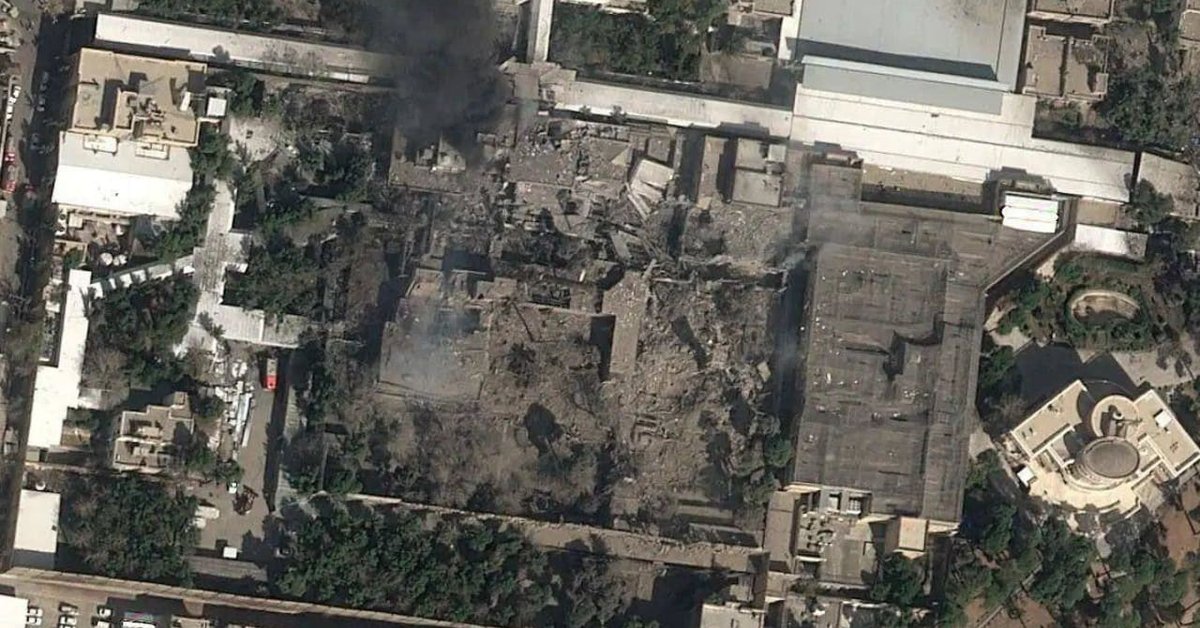
On Sunday morning, Kuwait’s military announced via X/Twitter that it had activated air defenses against what it termed “sinful Iranian aggression,” stating that any explosions heard were the result of missile interceptions and urging civilians to follow security guidelines. Two hours later, Bahrain’s Interior Ministry reported that sirens had been activated and called on citizens to remain calm and head to shelters. These alerts followed the eighth consecutive night of US-Iran strikes, triggered by an Iranian attack on a US military base in Jordan that, according to US Central Command (CENTCOM), killed two US service members, wounded four, and left one missing. CENTCOM said its strikes were designed to degrade Iran’s ability to threaten commercial shipping in the Strait of Hormuz and to punish Islamic Revolutionary Guard Corps (IRGC) forces responsible for the Jordan attack. Iranian media reported that US strikes targeted areas near Hajiabad, with explosions also heard near Bandar Abbas and Qeshm Island, while Tasnim news agency claimed a location near Shadegan was struck.
Key Actors
- ·Kuwaiti military(National defense force of Kuwait)Activated air defenses against Iranian attacks and warned citizens to follow security measures.
- ·Bahrain Interior Ministry(Internal security authority of Bahrain)Activated sirens and urged citizens to seek shelter amid reported Iranian attacks.
- ·US Central Command (CENTCOM)(US military command responsible for the Middle East)Conducted strikes on IRGC targets to protect Strait of Hormuz shipping and retaliate for a deadly attack on a US base in Jordan.
- ·Islamic Revolutionary Guard Corps (IRGC)(Elite branch of Iran’s armed forces responsible for external operations)Accused by CENTCOM of launching the attack in Jordan that killed US personnel; targeted by US strikes.
Why It Matters
The activation of air defenses in Kuwait and Bahrain marks a visible spillover of US-Iran hostilities into Gulf Cooperation Council states, heightening the risk of miscalculation and civilian exposure. The sustained US campaign against IRGC targets, combined with Iranian retaliation in the Strait of Hormuz, threatens to disrupt maritime commerce and could strain diplomatic channels, including nuclear negotiations.
Watch For
Monitor for further Iranian retaliatory strikes on US assets or Gulf state territory, any impact on commercial shipping transiting the Strait of Hormuz, and the response from Gulf capitals—particularly whether they publicly align with Washington or seek de-escalation. Also watch for a potential US force protection review or calls for a Congressional authorization of force following the Jordan fatalities.
Generated 6d ago · Based on full articleAuto-Compiled
This page aggregates and summarizes reporting from Jerusalem Post — Iran News. The Conflict Pulse does not author original reporting. Read the original source for full coverage.
CONFLICT OVERVIEW
Iran
Latest verified updates on Iran’s regional confrontation, U.S.–Israeli strikes, missile retaliation, proxy networks, sanctions, and Strait of Hormuz risks.
SOURCE PERSPECTIVES
How outlets across the bias spectrum are covering this conflict.
left
US expands Iran attacks as Trump warns Tehran and Houthis over Red Sea strikes
The Guardian Middle EastHow Chinese tech and Russian tactics are aiding Iran’s bombing of US bases
The Guardian AsiaLATEST FROM IRAN