
The Guardian Asia
leftREPORTJapan admits growing need to counter espionage after Russian ‘den of spies’ report
Full BriefGenerated 86d ago
What Happened
Japan’s chief government spokesperson, Minoru Kihara, acknowledged a growing need to counter foreign intelligence activities after a New York Times investigation reported that Russia had turned Japan into a “den of spies” and a key source of dual-use technology components for its war in Ukraine. The NYT investigation, citing Ukrainian government estimates, claimed that 90% of Russian missiles and drones contain Japanese components, and alleged that a Russian intelligence operative working under cover at Aeroflot’s Tokyo office runs procurement networks that use intermediary companies in Vietnam, Uzbekistan, and Sri Lanka to evade direct export restrictions. Kihara declined to comment directly on the report but said parliament had approved legislation to create a new national body to coordinate intelligence activities, stating, “We must address this issue with even greater rigour.”
Key Actors
- ·Japanese government(Chief Cabinet Secretary Minoru Kihara)Acknowledged the growing need to counter foreign intelligence and cited new legislation for an intelligence coordination body, without directly confirming the NYT report.
- ·Russia(Russian intelligence operative and Aeroflot office in Tokyo, plus procurement networks)According to the New York Times, operating a hub for espionage and procurement of Japanese dual-use technology for Russian missiles and drones, using third-country intermediaries to bypass sanctions.
- ·Ukraine(Ukrainian government estimates cited in the New York Times)Claimed that 90% of Russian missiles and drones contain Japanese components, as part of evidence of technology diversion.
- ·Akihisa Shiozaki(Lawmaker in Japan’s governing Liberal Democratic Party and former prosecutor)Expressed a sense of crisis about the situation, citing weak espionage laws as a vulnerability.
Why It Matters
The reported exploitation of Japan’s tech sector and weak espionage laws highlights a significant sanctions-evasion pathway for Russia to sustain its war effort in Ukraine. It exposes gaps in global counter-intelligence cooperation and puts pressure on Japan to modernize its security posture, potentially altering its post-World War II legal constraints and affecting its relations with both Western allies and Russia.
Watch For
Japan’s establishment of the new national intelligence coordination body and any subsequent tightening of espionage or export-control laws. Investigations into technology transfers via third countries like Vietnam, Uzbekistan, and Sri Lanka. Potential diplomatic friction with Russia and increased scrutiny from Ukraine and Western partners on Japan’s compliance with sanctions.
Generated 86d ago · Based on full articleAuto-Compiled

DAILY BRIEFING
Follow Ukraine–Russia
Get a daily briefing with the most critical developments from every active conflict zone. Concise. Verified. Free.
No spam. Unsubscribe anytime. Verified sources only.
This page aggregates and summarizes reporting from The Guardian Asia. The Conflict Pulse does not author original reporting. Read the original source for full coverage.
CONFLICT OVERVIEW
Ukraine–Russia
Latest verified updates on Russia’s war in Ukraine, frontline shifts, drone warfare, Western support, occupied territories, and ceasefire diplomacy.
Active since February 2014
MORE REPORTING ON THIS REGION
Recent reporting from this region. These stories may cover different events.
LATEST FROM UKRAINE–RUSSIA

DEVELOPINGAl Jazeera8h ago
Russian attack on buses in Ukraine’s Kramatorsk kills at least 30 people

DEVELOPINGBBC Asia9h ago
South Korea recalls Ukraine envoy over prisoner-of-war row
DEVELOPINGUkrainska Pravda9h ago
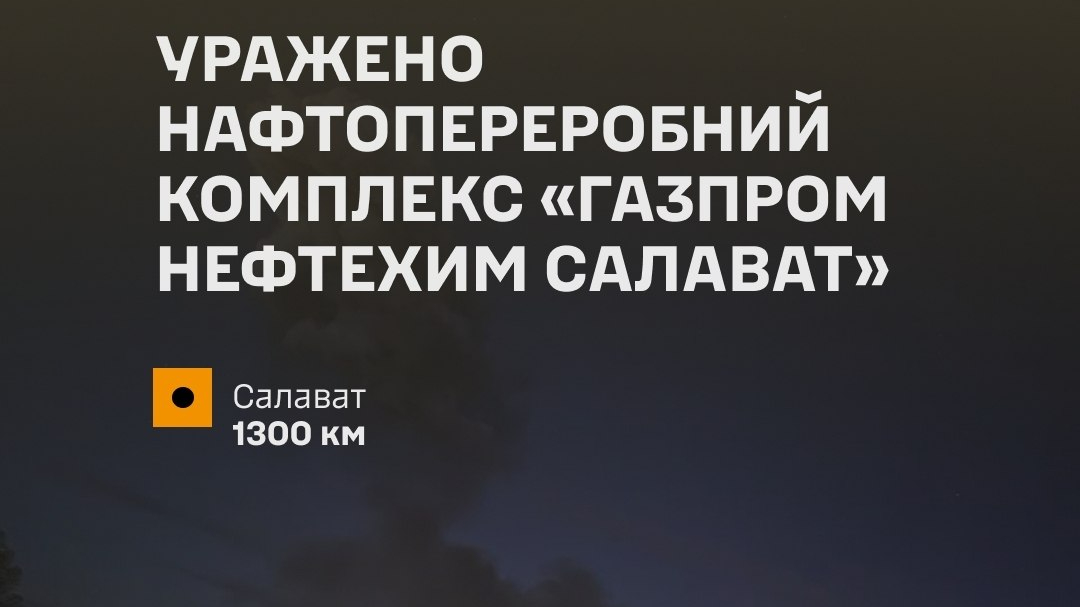
Ukraine's defence forces strike Gazprom oil refinery in Bashkortostan, 1,400 km from border
DEVELOPINGUkrainska Pravda10h ago
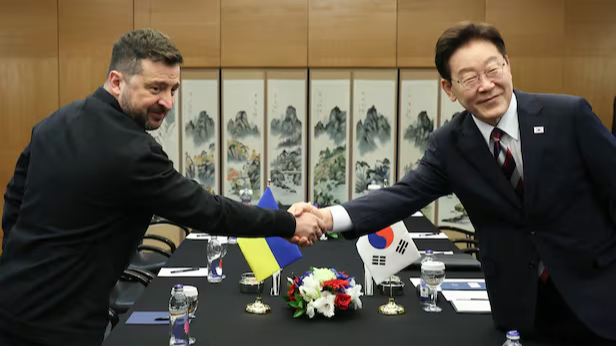
South Korea recalls its ambassador to Ukraine amid dispute over North Korean POWs
DEVELOPINGUkrainska Pravda11h ago
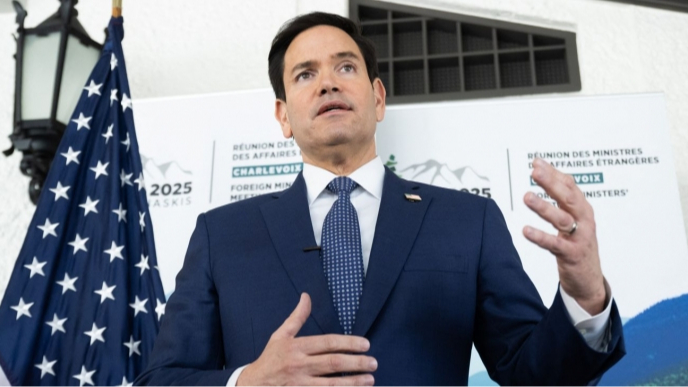
Rubio says diplomatic negotiations to end war in Ukraine are "proving elusive"
DEVELOPINGUkrainska Pravda11h ago