The Guardian Middle East
leftREPORTIsrael threatens ‘full force’ response if Iran fires missiles towards it
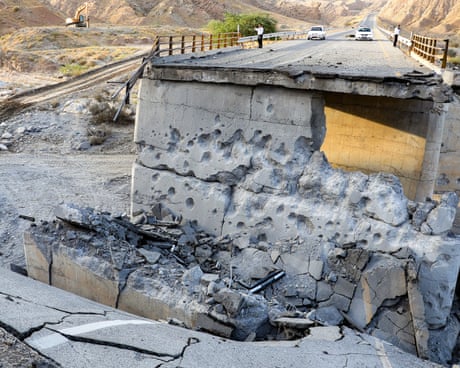
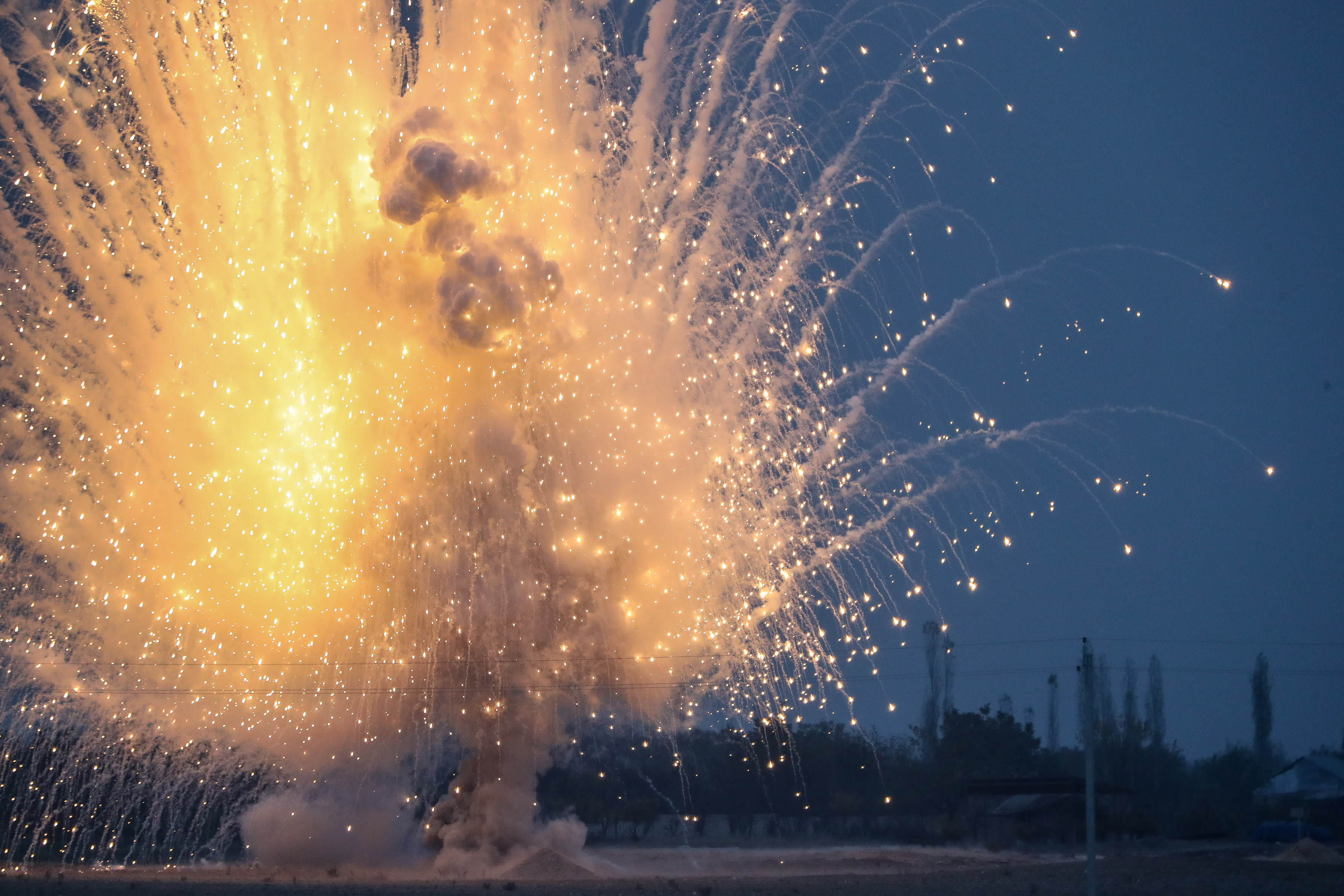
Return to all-out regional war grows increasingly likely as US and Iran trade strikes and Trump warns of escalationMiddle East crisis live: follow latest updatesIsrael has warned it could retaliate against Iran with “full force” if Tehran’s missiles strike within its borders, threatening a return to an all-out regional war as the ceasefire brokered by Donald Trump collapses with a new round of missile strikes across the Middle East. On Sunday, Iran launched salvoes of ballistic missiles at US-al
Live BriefGenerated 22h ago
Story Developing — Brief Reflects Events Through 22h ago
What Happened
On Sunday, Iranian forces launched ballistic missile salvos targeting infrastructure in Kuwait, Jordan, and Bahrain, including a power and water distillation plant in Kuwait. This escalation follows the deaths of two US soldiers in an Iranian strike on a Jordanian airbase on Friday, which prompted the US Central Command to conduct an eighth day of strikes against Iranian coastal surveillance, air defense, and missile storage facilities. Israel Defense Minister Israel Katz stated that Israel would respond with 'full force' if Iranian missiles strike Israeli territory, while US President Donald Trump announced a policy of maximum pressure, including potential new sanctions.
Key Actors
- ·Israel Katz(Israeli Defence Minister)Threatened a full-force military response if Iranian missiles strike Israeli territory.
- ·US Central Command(US military combatant command)Confirmed ongoing strikes against Iranian military facilities and reported one missing US soldier.
- ·IRGC(Islamic Revolutionary Guard Corps)Claimed responsibility for incidents involving ships in the Strait of Hormuz and continues external operations.
- ·Donald Trump(US President)Declared the collapse of a ceasefire agreement and signaled a shift toward maximum pressure on Iran.
Why It Matters
The collapse of the US-brokered ceasefire and the expansion of strikes to civilian infrastructure, such as desalination plants in Kuwait and potential nuclear-related sites in Darkhovin, significantly increases the risk of a broader regional war. The targeting of the Strait of Hormuz threatens global energy security, while the direct military exchanges between the US, Iran, and regional allies represent a major departure from the relative restraint observed since April.
Watch For
Monitor the potential deployment of additional US refueling aircraft to Israel and any further legislative action in the US Congress regarding expanded sanctions on Iran. Additionally, observe the status of the missing US soldier reported by Central Command and any further IAEA statements regarding the safety of nuclear-related sites in Iran.
Generated 22h ago · Based on full articleAuto-Compiled
This page aggregates and summarizes reporting from The Guardian Middle East. The Conflict Pulse does not author original reporting. Read the original source for full coverage.
CONFLICT OVERVIEW
Iran
Latest verified updates on Iran’s regional confrontation, U.S.–Israeli strikes, missile retaliation, proxy networks, sanctions, and Strait of Hormuz risks.
SOURCE PERSPECTIVES
How outlets across the bias spectrum are covering this conflict.
LATEST FROM IRAN