
BBC Middle East
centerREPORTIsrael strikes southern Lebanon as Hezbollah condemns new deal
Full BriefGenerated 111d ago
What Happened
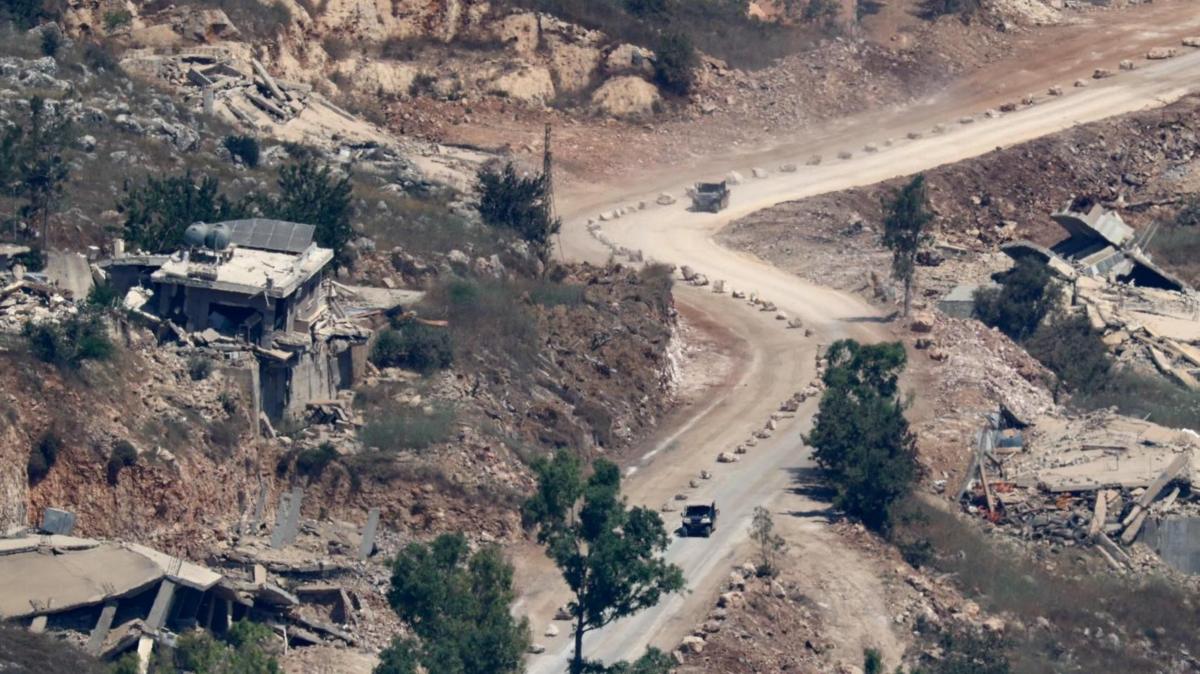
Israeli drone strikes hit Nabatieh al-Fawqa in southern Lebanon on Saturday, killing one person and wounding two, according to Lebanon's health ministry. The Israeli military said it targeted an individual who posed a threat to its forces, without providing further details. The strikes occurred one day after Israel and Lebanon signed a US-brokered four-point framework agreement aimed at achieving lasting peace. Israeli Prime Minister Benjamin Netanyahu called the agreement 'historic' and 'a blow to Iran and Hezbollah', while Defence Minister Israel Katz ordered Israeli forces to 'prepare for an extended stay in the security zone' up to 10 km inside Lebanese territory. Hezbollah leader Naim Qassem rejected the deal as 'null and void', accused the Lebanese government of making damaging concessions, and vowed continued armed resistance. He specifically condemned provisions linking Israel's withdrawal to Hezbollah's disarmament, warning that the agreement could lead to 'annexation of these lands' and calling it a 'surrender of sovereignty'.
Key Actors
- ·Israeli military (IDF)(Israel Defense Forces)Carried out a drone strike in Nabatieh al-Fawqa, stating it targeted an individual posing a threat to its forces.
- ·Hezbollah (Naim Qassem)(Lebanese Shia militant group and political party)Leader Naim Qassem rejected the US-brokered framework as 'null and void', condemning it as a surrender of sovereignty and vowing continued armed resistance.
- ·Benjamin Netanyahu(Israeli Prime Minister)Called the agreement 'historic' and 'a blow to Iran and Hezbollah'.
- ·Israel Katz(Israeli Defence Minister)Ordered Israeli forces to prepare for an extended stay in a 10 km security zone inside Lebanese territory.
Why It Matters
The agreement was meant to pave the way for a lasting peace, but Hezbollah's outright rejection and Israel's announced extended military presence threaten its viability. Hezbollah, which did not participate in negotiations, remains a powerful non-state actor in Lebanon, casting doubt on the government's ability to enforce the deal. The immediate resumption of Israeli strikes after the signing illustrates the fragile nature of the ceasefire. Failure of the framework could reignite full-scale hostilities, drawing in Iran and destabilizing the region further.
Watch For
Monitor whether the Lebanese army begins deploying in the South Litani area as stipulated, whether Israeli forces extend their stay or continue strikes, and any retaliatory attacks by Hezbollah. Watch for diplomatic reactions from the US, Iran, and other mediators, and statements from the Lebanese government on enforcement. The next few days will be critical to see if violence persists and whether the agreement collapses.
Generated 111d ago · Based on full articleAuto-Compiled
DAILY BRIEFING
Follow Israel–Palestine
Get a daily briefing with the most critical developments from every active conflict zone. Concise. Verified. Free.
No spam. Unsubscribe anytime. Verified sources only.
This page aggregates and summarizes reporting from BBC Middle East. The Conflict Pulse does not author original reporting. Read the original source for full coverage.
CONFLICT OVERVIEW
Israel–Palestine
Latest verified updates on Gaza, the West Bank, Israeli military operations, Palestinian politics, humanitarian conditions, and international diplomacy.
Active since May 1948
MORE REPORTING ON THIS REGION
Recent reporting from this region. These stories may cover different events.
LATEST FROM ISRAEL–PALESTINE

DEVELOPINGMiddle East Eye8h ago
Critically acclaimed video game Big Walk not released on Xbox to support BDS movement

DEVELOPINGMiddle East Eye8h ago
From LA to DC, activists launch convoy to 'challenge' voters' perceptions of Israel

DEVELOPINGMiddle East Eye9h ago
Prominent Israeli rabbi rules Jews may pick olives from Palestinian groves
DEVELOPINGMiddle East Eye9h ago
UK police assess Palestine Action post by security adviser’s wife

DEVELOPINGMiddle East Eye10h ago
I survived Gaza's horrors. I watched NAZA to learn how Israeli soldiers live with it

DEVELOPINGMiddle East Eye10h ago