
DW News
centerREPORTIsrael-Lebanon conflict: Why military pressure isn't enough
Full BriefGenerated 137d ago
What Happened
Israeli forces continue ground operations in southern Lebanon despite US President Donald Trump's recent claims of a ceasefire breakthrough. Active clashes between the Israel Defense Forces (IDF) and Hezbollah persist as Israeli units advance deeper into Lebanese territory. Trump's statements about a ceasefire have not been matched by any announced agreement or cessation of hostilities on the ground. Analysts cited in the reporting argue that the ongoing Israeli military offensive is actively undermining diplomatic negotiations with Hezbollah and complicating efforts to reach a political settlement to the conflict.
Key Actors
- ·IDF(Israel Defense Forces)Conducting ground operations deeper into southern Lebanon, maintaining military pressure despite ceasefire claims.
- ·Hezbollah(Lebanese Shia militant group and political party)Engaged in ongoing clashes with Israeli forces in southern Lebanon while reportedly involved in indirect ceasefire negotiations.
- ·Donald Trump(US President)Publicly claimed a ceasefire breakthrough between Israel and Hezbollah that has not materialized on the ground.
Why It Matters
The disconnect between Trump's ceasefire rhetoric and the reality of continued Israeli military escalation in Lebanon signals a breakdown in US diplomatic credibility and coordination with Israeli operations. The IDF's deepening incursion risks expanding the northern front of Israel's multi-theater conflict, potentially drawing in additional actors and complicating any future de-escalation. Experts' assessment that military pressure is counterproductive to negotiations suggests Israel may be prioritizing tactical gains over a sustainable political resolution, which could prolong instability along the Israel-Lebanon border and increase the risk of a wider regional confrontation involving Iran-backed groups.
Watch For
Monitor whether the IDF establishes permanent positions deeper in Lebanese territory or begins withdrawing forces, which would indicate Israel's actual strategic intent. Track any formal ceasefire proposals or mediation efforts by the US, France, or UN, and whether Hezbollah or the Lebanese government issue official responses. Watch for escalation indicators such as Hezbollah rocket attacks deeper into Israeli territory, Israeli airstrikes on Beirut or the Bekaa Valley, or statements from Iran regarding support for Hezbollah. Any upcoming meetings between US, Israeli, and Lebanese officials or UN Security Council sessions on the Lebanon situation will be critical markers of diplomatic progress or failure.
Generated 137d ago · Based on full articleAuto-Compiled
NO IMAGE AVAILABLEDW News
DAILY BRIEFING
Follow Israel–Palestine
Get a daily briefing with the most critical developments from every active conflict zone. Concise. Verified. Free.
No spam. Unsubscribe anytime. Verified sources only.
This page aggregates and summarizes reporting from DW News. The Conflict Pulse does not author original reporting. Read the original source for full coverage.
CONFLICT OVERVIEW
Israel–Palestine
Latest verified updates on Gaza, the West Bank, Israeli military operations, Palestinian politics, humanitarian conditions, and international diplomacy.
Active since May 1948
MORE REPORTING ON THIS REGION
Recent reporting from this region. These stories may cover different events.
LATEST FROM ISRAEL–PALESTINE

DEVELOPINGMiddle East Eye7h ago
Lebanon to join trilateral talks with Israel and US in Florida next week, Aoun says

DEVELOPINGBBC Middle East8h ago
European diplomats attacked by Israeli settlers in West Bank

DEVELOPINGAl Jazeera8h ago
Israeli drone attacks kill six Palestinians across Gaza despite ‘ceasefire’

DEVELOPINGMiddle East Eye9h ago
French mayor attacked by settlers in West Bank says Israel ‘tolerates’ settler violence
DEVELOPINGThe Guardian Middle East9h ago
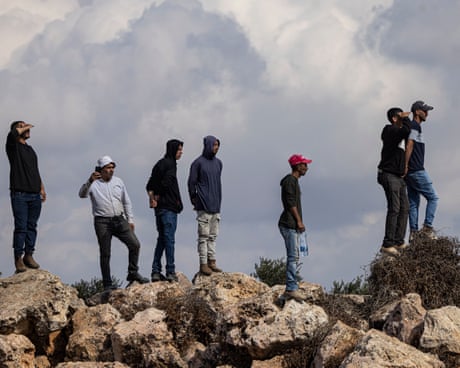
Masked settlers attack European diplomats in occupied West Bank

DEVELOPINGAl Jazeera9h ago