
DW News
centerREPORTIs Iran's middle class being pushed into poverty?
Full BriefGenerated 60d ago
What Happened
The Iranian economy is experiencing a significant contraction, with the International Monetary Fund forecasting a 5.4% decline and inflation approaching 69%. Economist Ahmad Alavi reports that year-over-year inflation has reached 88%, with food staples such as edible oils rising by over 200% and meat and poultry by 135%. These economic conditions have reportedly pushed between 3.5 and 4.5 million additional Iranians into poverty since the intensification of regional conflict, bringing the total number of people living below the poverty line to over 40 million.
Key Actors
- ·International Monetary Fund(International financial institution)Forecasts a 5.4% contraction in Iran's economy for the current year.
- ·Ahmad Alavi(Economist and researcher)Attributes the collapse in purchasing power to the intensification of conflict, infrastructure damage, and trade disruptions.
- ·World Bank(International financial institution)Warned that conflict, trade disruption, and prolonged uncertainty are weighing heavily on the Iranian economy.
Why It Matters
The economic data indicates that the ongoing regional conflict is eroding the financial stability of Iran's middle class, potentially creating long-term structural damage that exceeds the impact of physical infrastructure destruction. The inability of the Iranian government to leverage higher global oil prices due to sanctions and transport costs suggests that current state interventions, such as subsidies and price controls, are insufficient to stabilize the currency or restore investor confidence.
Watch For
Monitor for further reports on the stability of the Iranian rial and potential shifts in trade patterns as businesses adapt to maritime risks in the Strait of Hormuz. Additionally, observe whether the government introduces new fiscal policies or adjustments to subsidy programs in response to the rising cost of living and the reported increase in poverty levels.
Generated 60d ago · Based on full articleAuto-Compiled
NO IMAGE AVAILABLEDW News
DAILY BRIEFING
Follow Iran
Get a daily briefing with the most critical developments from every active conflict zone. Concise. Verified. Free.
No spam. Unsubscribe anytime. Verified sources only.
This page aggregates and summarizes reporting from DW News. The Conflict Pulse does not author original reporting. Read the original source for full coverage.
CONFLICT OVERVIEW
Iran
Latest verified updates on Iran’s regional confrontation, U.S.–Israeli strikes, missile retaliation, proxy networks, sanctions, and Strait of Hormuz risks.
MORE REPORTING ON THIS REGION
Recent reporting from this region. These stories may cover different events.
LATEST FROM IRAN

DEVELOPINGAl Jazeera9h ago
Is Trump signalling a return to war with Iran after the midterms?

DEVELOPINGMiddle East Eye10h ago
Iranian human rights official says legal efforts under way over Minab attack
DEVELOPINGThe Guardian Middle East10h ago
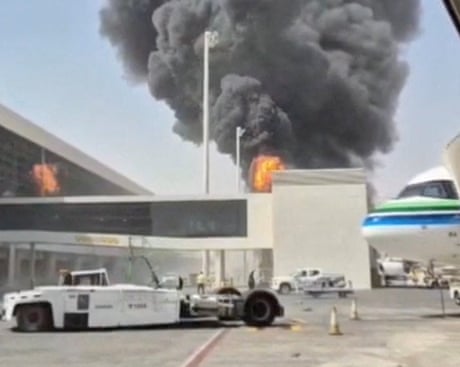
Three Saudis killed in Riyadh airport attack claimed by Houthis
REPORTMiddle East Eye13h ago
Morning update

REPORTAl Jazeera14h ago
Trump says US will not strike Iran before midterm elections
REPORTMiddle East Eye14h ago