
Al Jazeera
centerREPORTIran warns ships against using unapproved routes in Strait of Hormuz

Full BriefGenerated 81d ago
What Happened
Iran's Khatam al-Anbiya Central Headquarters issued a statement on Thursday, carried by Tasnim news agency, warning that vessels crossing the Strait of Hormuz using unapproved routes would face 'an immediate and forceful response from the armed forces' and endanger their security. The threat came a day after Qatari mediators reported 'positive progress' in indirect US-Iranian talks and hours after the US Central Command (CENTCOM) announced a security dialogue in Bahrain where regional leaders committed to the 'free flow of commerce' in the strait. Iranian Deputy Foreign Minister Kazem Gharibabadi criticized CENTCOM's statement on X, asserting that regional security requires an end to US interventions and withdrawal. The warning follows at least 49 attacks on commercial vessels in the strait since the outbreak of the US-Israel war on Iran on February 28, most blamed on Tehran. Transits have increased since the June 17 memorandum of understanding signed by US President Donald Trump and Iranian President Masoud Pezeshkian, reaching 45 crossings on Wednesday versus 34 on Tuesday, but remain far below the pre-conflict average of about 130 daily crossings. Brent crude for August delivery held at $72.07 per barrel early Friday after dropping below $71 the previous day.
Key Actors
- ·Khatam al-Anbiya Central Headquarters(Iranian military command)Threatened forceful response against vessels using unapproved routes in the Strait of Hormuz.
- ·Kazem Gharibabadi(Iranian Deputy Minister of Foreign Affairs)Stated on X that regional security requires ending US interventions, not a US military umbrella.
- ·US Central Command (CENTCOM)(US military command)Presided over a Bahrain security dialogue reaffirming commitment to free commerce in the strait.
Why It Matters
The Strait of Hormuz handles roughly one-fifth of global oil and LNG trade, making any disruption a direct threat to energy markets and the global economy. Iran's explicit threat, issued as indirect US-Iran talks show tentative progress, demonstrates Tehran's willingness to use its geographic chokehold to pressure negotiations. The move risks aggravating an already fragile ceasefire and could unravel the June 17 MoU that briefly boosted shipping transits.
Watch For
Monitor whether Iran or IRGC naval forces intercept or strike vessels citing the warning; further incidents in the strait and MarineTraffic transit counts; the next round of Doha-mediated indirect talks; any US or allied naval repositioning; and oil price volatility linked to Hormuz tensions.
Generated 81d ago · Based on full articleAuto-Compiled
This page aggregates and summarizes reporting from Al Jazeera. The Conflict Pulse does not author original reporting. Read the original source for full coverage.
CONFLICT OVERVIEW
Iran
Latest verified updates on Iran’s regional confrontation, U.S.–Israeli strikes, missile retaliation, proxy networks, sanctions, and Strait of Hormuz risks.
SOURCE PERSPECTIVES
How outlets across the bias spectrum are covering this conflict.
left
Iran and US hold talks on sidelines of UN summit, says Trump
The Guardian Middle EastAnother U.S. Soldier Is Dead as Iran War Casualties Rise
The InterceptLATEST FROM IRAN

DEVELOPINGMiddle East Eye2h ago
EU top diplomat meets Iran’s Araghchi to discuss Strait of Hormuz
DEVELOPINGMiddle East Eye2h ago
Iran submits conditions for reopening of Hormuz to US representative
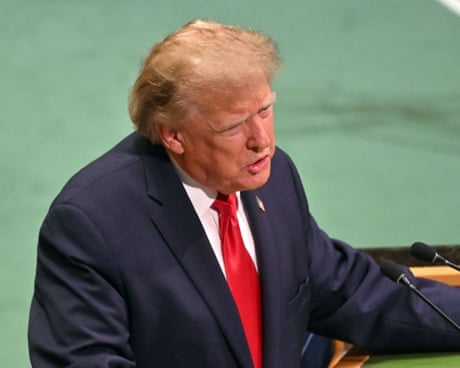
DEVELOPINGThe Guardian Middle East3h ago
Middle East crisis: Trump says Iran will make a deal after US midterms – as it happened

DEVELOPINGAl Jazeera4h ago
US, Iran hold ‘very good’ talks, Trump says at UN meeting
DEVELOPINGMiddle East Eye5h ago
Turkey, Saudi Arabia, Pakistan and Egypt affirm Saudi Arabia's right to defend itself

DEVELOPINGJerusalem Post — Iran News6h ago