
BBC Middle East
centerREPORTIran war has cost US $37.5bn so far, Hegseth says, as Pentagon seeks billions more
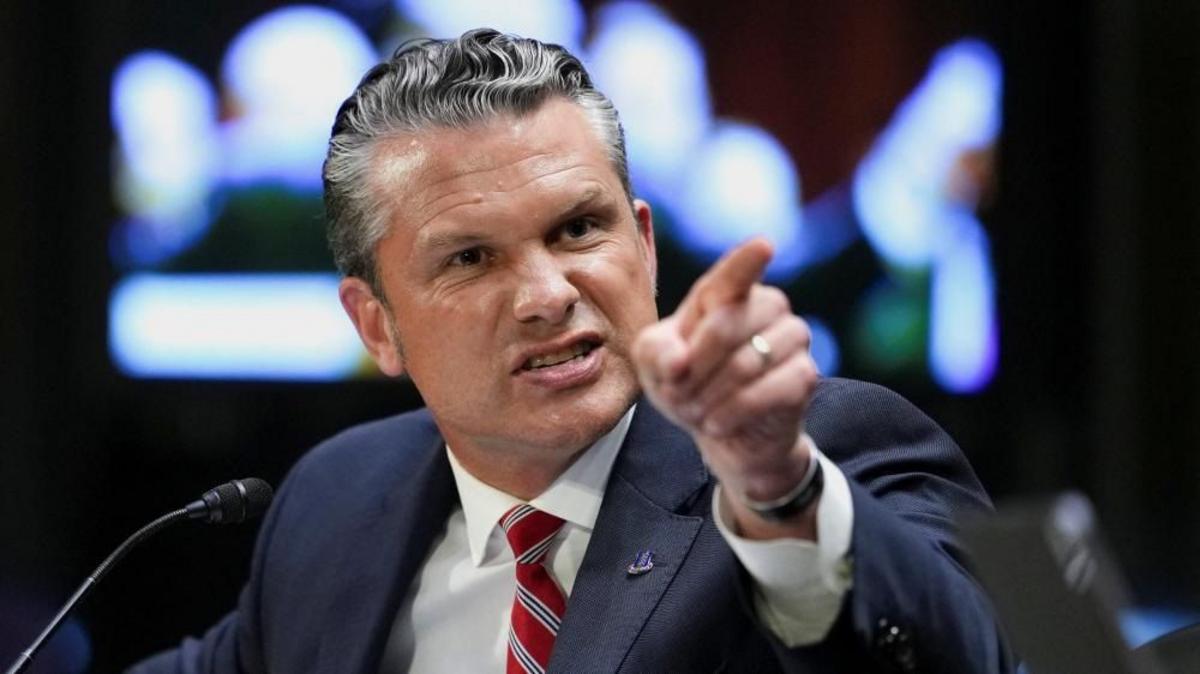
The hearing was disrupted by protests and a shouting match as Hegseth testified at a pivotal time in the war.
Full BriefGenerated 75d ago
What Happened
US Defense Secretary Pete Hegseth testified before the Senate Appropriations Committee that the war with Iran has cost the United States $37.5 billion as of the hearing date, an increase from the last estimate of $29 billion on 12 May. Hegseth requested $87 billion in additional funding, with $67 billion directed to Middle East operations, warning that without it, training would be curtailed and critical shortfalls would threaten pay and munitions. The hearing was repeatedly interrupted by anti-war protesters. The Pentagon also confirmed the deaths of Sgt Michael Emmanuel Swinton in Iraq and Pfc Isabella Gonzales and 1st Lt Tyler Feehan in Jordan. President Trump, in a social media post, stated that 18 US service members had died in the conflict since 28 February. Hostilities resumed after the collapse of an April ceasefire, with the US conducting a 10th consecutive day of strikes on Monday and Iran retaliating against US and allied targets.
Key Actors
- ·Pete Hegseth(US Secretary of Defense)Urging Congress to approve $87 billion in emergency funding for the war with Iran, citing operational needs and cost increases.
- ·US Senate Appropriations Committee(Congressional committee overseeing funding)Chairwoman Susan Collins questioned the impact of underfunding; Ranking Member Patty Murray opposed the request as bypassing normal processes; Senator Kirsten Gillibrand criticized the demand for 'unlimited money for bombs'.
- ·Iran(Belligerent in the war)Retaliating with strikes against US and allied forces in the Middle East, having broken the April ceasefire.
- ·President Trump(US President)Posting on social media that 18 US soldiers have died in the war, emphasizing the conflict's duration and toll.
Why It Matters
The $37.5 billion cost figure and urgent funding request reveal the escalating financial burden of the US-Iran war, which has seen a resumption of hostilities after a failed ceasefire. The political clash in Congress—between Republicans supporting a 'generational investment' in military strength and Democrats challenging the war's cost and legitimacy—reflects deepening domestic division over the conflict. With US casualties mounting and anti-war protests disrupting official proceedings, the war is becoming a central and contentious issue in US politics, potentially affecting Pentagon readiness and broader Middle East stability.
Watch For
Congressional action on the $87 billion supplemental request, which faces delay as the House adjourns Thursday and both chambers do not jointly return until September. Monitor further US and Iranian military operations, especially strikes and retaliations, and any new casualty reports that could influence public opinion and legislative decisions. Also watch for any diplomatic efforts to restore the ceasefire or de-escalate, given the breakdown in April.
Generated 75d ago · Based on full articleAuto-Compiled
DAILY BRIEFING
Follow United States
Get a daily briefing with the most critical developments from every active conflict zone. Concise. Verified. Free.
No spam. Unsubscribe anytime. Verified sources only.
This page aggregates and summarizes reporting from BBC Middle East. The Conflict Pulse does not author original reporting. Read the original source for full coverage.
CONFLICT OVERVIEW
United States
Latest verified updates on U.S. military operations, foreign policy decisions, alliance pressure, sanctions, maritime security, and global power projection.
Active since May 2020
MORE REPORTING ON THIS REGION
Recent reporting from this region. These stories may cover different events.
LATEST FROM UNITED STATES

REPORTAl Jazeera4d ago
How does Trump’s White House AI accord work?

REPORTAl Jazeera4d ago
Hegseth to cut number of US general and admiral positions by 20%

REPORTBBC US & Canada4d ago
Three takeaways from Trump's 'Super Intelligence' summit

REPORTAl Jazeera7d ago
Anthropic CEO Amodei to have dinner with Trump at White House

REPORTAl Jazeera8d ago
China, US to open AI ‘communication channel’ after summit, White House says

REPORTAl Jazeera8d ago