Jerusalem Post — Iran News
rightREPORTIran used 'white phosphorus incendiary' in drone attack, Kurdish dissident group claims
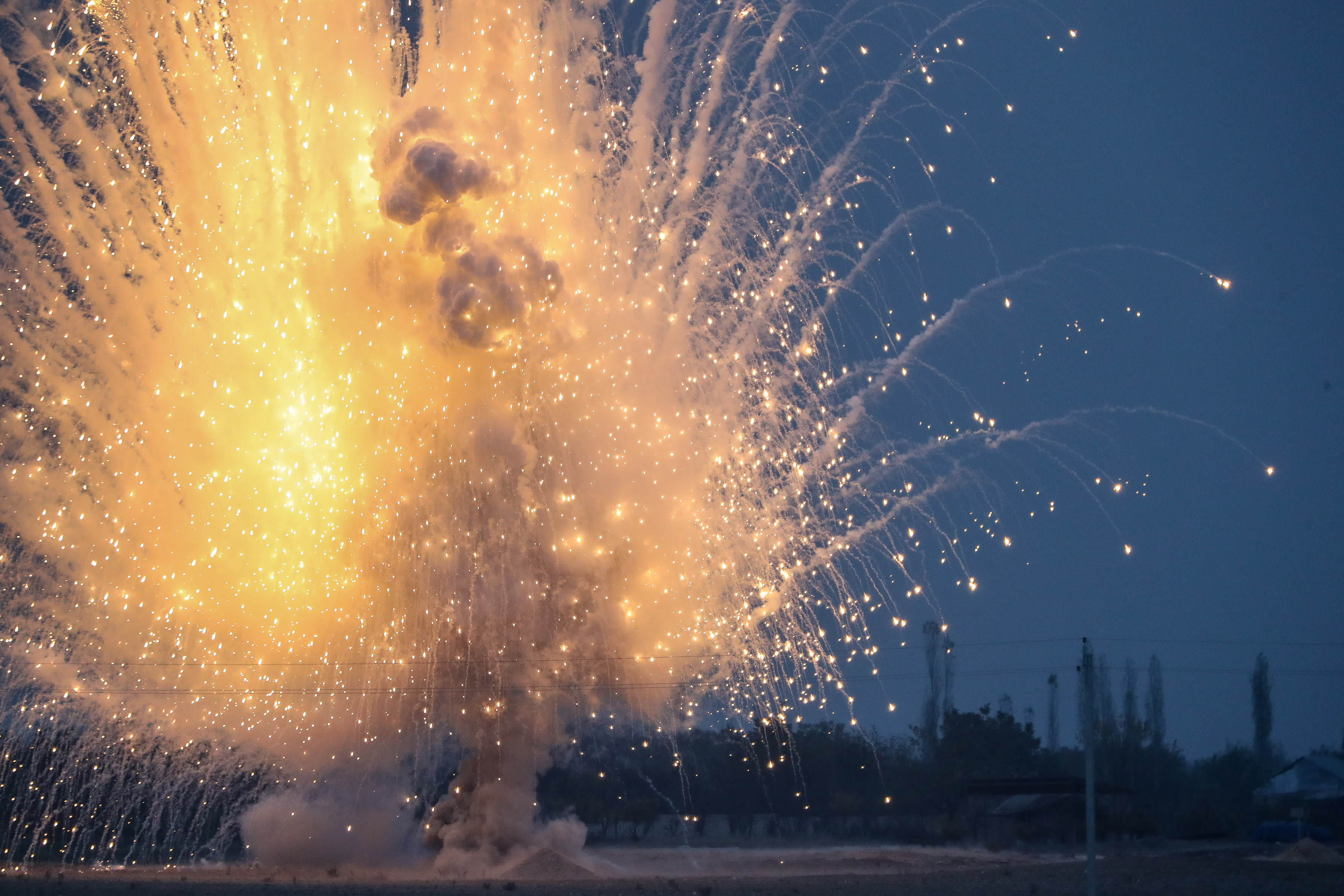
“Based on eyewitness observations, medical examinations, and extensive fires caused at the targeted site, the munitions employed in the drone attack are believed to have contained white phosphorus. ".
Full BriefGenerated 17h ago
What Happened
On July 19, the Kurdistan Freedom Party (PAK) accused Iran of using a drone to drop munitions containing white phosphorus on a base of its Kurdistan National Army (SMK) in the Kurdistan Region of Northern Iraq. PAK leader Hussein Yazdanpanah said the claim is based on eyewitness observations, medical examinations of nine wounded Peshmerga fighters, and extensive fires caused at the site. Yazdanpanah condemned the strike as a grave violation of international humanitarian law and called on the United Nations, the Security Council, and other international institutions to hold Iran accountable. The attack came amid a series of Iranian strikes on Kurdish dissident groups in the region, including a separate Iranian attack that killed nine members of the Komala party earlier in the week.
Key Actors
- ·Iran(State actor accused of carrying out the drone strike)Accused by PAK of using white phosphorus munitions in a cross-border attack on July 19, and of continuing missile and drone strikes on Kurdish opposition bases.
- ·Kurdistan Freedom Party (PAK)(Kurdish Iranian opposition group with armed wing Kurdistan National Army (SMK))Claimed its base in the Kurdistan Region of Iraq was hit by an Iranian drone using white phosphorus; called for international legal action and KRG protection.
- ·Hengaw Organization for Human Rights(Human rights monitor focusing on Kurdish rights)Expressed grave concern over the reported use of prohibited munitions and called for an independent international fact-finding mission.
Why It Matters
The alleged use of white phosphorus, a controversial incendiary weapon regulated under international law, intensifies scrutiny on Iran’s cross-border military operations against Kurdish dissidents in Iraq’s Kurdistan Region. Such attacks, which have numbered over 900 in recent months, undermine Iraqi sovereignty and risk civilian harm. If confirmed, this incident would represent a serious violation of humanitarian norms, potentially escalating diplomatic pressure and calls for enhanced air defenses for the KRG.
Watch For
Possible launch of an independent investigation by UN bodies or the International Committee of the Red Cross into the alleged white phosphorus use. Monitor responses from the Iraqi federal government, the Kurdistan Regional Government, and the U.S.-led coalition regarding support for air defense or diplomatic measures. Watch for further Iranian strikes on Kurdish opposition bases, as Iran launched additional attacks on Komala on July 20, signaling an ongoing campaign.
Generated 17h ago · Based on full articleAuto-Compiled
This page aggregates and summarizes reporting from Jerusalem Post — Iran News. The Conflict Pulse does not author original reporting. Read the original source for full coverage.
CONFLICT OVERVIEW
Iran
Latest verified updates on Iran’s regional confrontation, U.S.–Israeli strikes, missile retaliation, proxy networks, sanctions, and Strait of Hormuz risks.
SOURCE PERSPECTIVES
How outlets across the bias spectrum are covering this conflict.
LATEST FROM IRAN