DW News
centerREPORTIran-US talks to end war beset by tension, mistrust
Full BriefGenerated 2d ago
What Happened
Direct talks between US Vice President JD Vance and Iranian Foreign Minister Abbas Araghchi concluded a first stage in Switzerland, laying what Vance called a 'very good foundation' for a final deal to end the war launched by the US and Israel on February 28, 2026. Araghchi announced 'major progress to end the Lebanon War,' citing Iranian-negotiated waivers for oil and petrochemical exports, release of frozen funds, and a reconstruction plan for Iran. However, the negotiations were strained from the outset: President Donald Trump threatened on social media to restart attacks if Iran failed to rein in its proxies, prompting Iranian Parliament Speaker Mohammad Bagher Qalibaf to warn that Iran's armed forces were ready to respond. Talks briefly paused, and while the technical team led by Deputy Foreign Minister Kazem Gharibabadi continued sessions, fundamental mistrust and ideological contradictions persisted, with analysts questioning Iran's willingness to abandon Hezbollah and the feasibility of lifting all US sanctions.
Key Actors
- ·JD Vance(US Vice President)Led US delegation, stated a good foundation was laid for a successful final deal and expressed willingness for fundamental change in relations.
- ·Abbas Araghchi(Iranian Foreign Minister)Chief Iranian negotiator; reported progress on Lebanon ceasefire and secured sanctions waivers, fund releases, and reconstruction aid.
- ·Mohammad Bagher Qalibaf(Iranian Parliament Speaker)Co-lead negotiator alongside Araghchi; dismissed US threats and warned Washington that Iran's armed forces were prepared to respond differently.
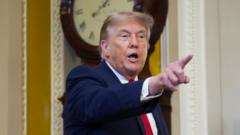
- ·Donald Trump(US President)Threatened on social media to restart military attacks on Iran if Tehran did not control allied proxies in Lebanon, nearly derailing talks.
Why It Matters
The negotiations represent an unprecedented attempt to resolve a complex regional war and potentially transform four decades of US-Iran hostility. A deal would lift all primary and secondary US sanctions—going far beyond the 2015 nuclear agreement—in exchange for Iranian concessions on its nuclear program and regional posture. However, the intertwining of the Lebanon ceasefire, Iran's ideological ties to Hezbollah, domestic hardliner resistance in both Tehran and Washington, and the legacy of broken agreements make success precarious. The outcome will shape the future of the Axis of Resistance, the stability of Lebanon and the Gulf, and the global sanctions architecture.
Watch For
Continued technical talks in Switzerland led by Gharibabadi; the implementation of oil and petrochemical export waivers; any ceasefire or de-escalation in Lebanon and Hezbollah's response; statements from Supreme Leader Khamenei and Iranian hardliners regarding the deal's domestic acceptability; US Congressional reactions to sanctions relief; and adherence to the two-month negotiation deadline.
Generated 2d ago · Based on full articleAuto-Compiled
This page aggregates and summarizes reporting from DW News. The Conflict Pulse does not author original reporting. Read the original source for full coverage.
CONFLICT OVERVIEW
Iran
Latest verified updates on Iran’s regional confrontation, U.S.–Israeli strikes, missile retaliation, proxy networks, sanctions, and Strait of Hormuz risks.
SOURCE PERSPECTIVES
How outlets across the bias spectrum are covering this conflict.
LATEST FROM IRAN