Jerusalem Post — Iran News
rightREPORTIran targets Kuwaiti infrastructure to send 'calibrated signal' to US following direct strikes

Full BriefGenerated 1d ago
What Happened
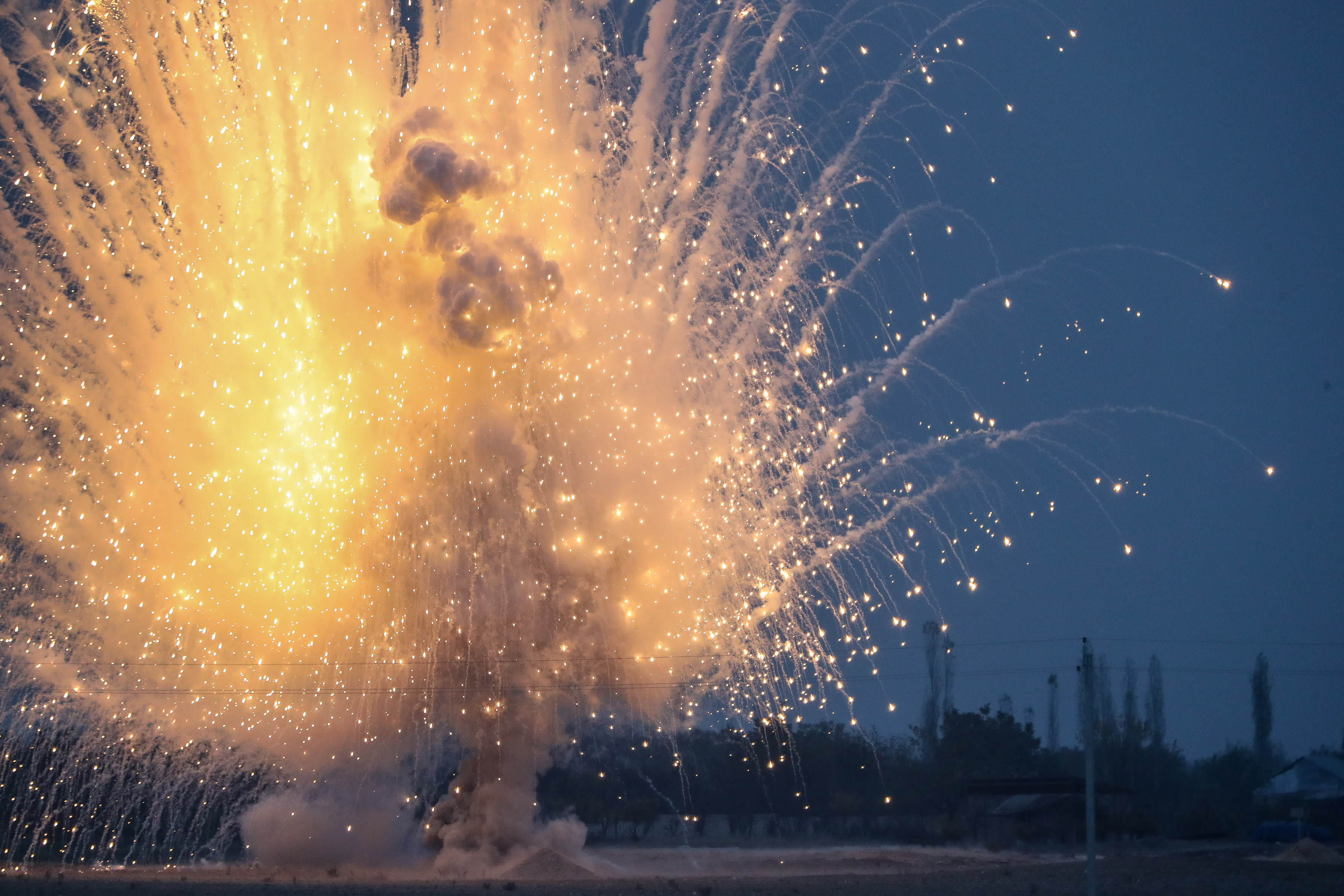
Over the weekend, Iranian attacks caused significant damage to critical infrastructure in Kuwait, including a power generation plant, a water desalination plant, residential areas, and a Kuwait Petroleum Corporation oil facility, which sustained ‘repeated Iranian attacks’ resulting in material damage and injuries. Iran’s Islamic Revolutionary Guard Corps (IRGC) claimed the attacks had targeted a US military support center at Camp Arifjan and destroyed a radar facility at Ali Al Salem Air Base. Attacks also struck Bahrain, Jordan, and Saudi Arabia, continuing into Sunday. Dr. Arman Mahmoudian, a research fellow at the University of South Florida, described the operation as ‘calibrated signaling,’ arguing that Iran had reprioritized regime survival over preserving détente with Gulf states. The escalation came after US strikes against Iranian infrastructure: Iranian media reported a US attack on a desalination plant in Bonji, disrupting water supplies, while the US had also struck roads and bridges near Bandar Abbas and power plants in Jask.
Key Actors
- ·IRGC(Iranian military force)Claimed responsibility for attacks on US military sites in Kuwait while also damaging civilian infrastructure, framing it as retaliation for US strikes on Iranian critical infrastructure.
- ·Kuwait(Gulf state hosting US logistical hub)Sustained damage to civilian power, water, and oil facilities from Iranian attacks; the Kuwait Petroleum Corporation confirmed the attacks.
- ·United States(Adversary of Iran, conducting direct strikes)Reportedly expanded strikes on Iranian critical infrastructure, including port facilities and a desalination plant, triggering the Iranian signaling campaign against regional partners.
Why It Matters
The attacks represent a significant shift in Iran’s strategic posture, moving from diplomatic engagement to coercive signaling aimed at US regional partners. By striking critical infrastructure in Kuwait—a relatively soft target with major American military logistics—Iran demonstrates its capacity to impose costs on Gulf states and disrupt global energy markets without provoking direct retaliation from more capable neighbors. This escalatory step, combined with direct US-Iran strikes on each other’s infrastructure, raises the stakes for a broader regional conflict and threatens energy security at a time of existing Strait of Hormuz tensions.
Watch For
Monitor whether attacks continue beyond the weekend, any US or Gulf military responses, and diplomatic reactions from GCC states. Watch for further disruption to energy infrastructure, IAEA-related developments, and any expansion of US strikes on Iran’s oil and gas sector. The potential for retaliatory measures affecting the Strait of Hormuz and global energy markets remains high.
Generated 1d ago · Based on full articleAuto-Compiled
This page aggregates and summarizes reporting from Jerusalem Post — Iran News. The Conflict Pulse does not author original reporting. Read the original source for full coverage.
CONFLICT OVERVIEW
Iran
Latest verified updates on Iran’s regional confrontation, U.S.–Israeli strikes, missile retaliation, proxy networks, sanctions, and Strait of Hormuz risks.
SOURCE PERSPECTIVES
How outlets across the bias spectrum are covering this conflict.
LATEST FROM IRAN