
Jerusalem Post — Iran News
rightREPORTIran says Pakistan-Turkey-Saudi defense pact is no threat, reflects a 'shift in approach'
Full BriefGenerated 60d ago
What Happened
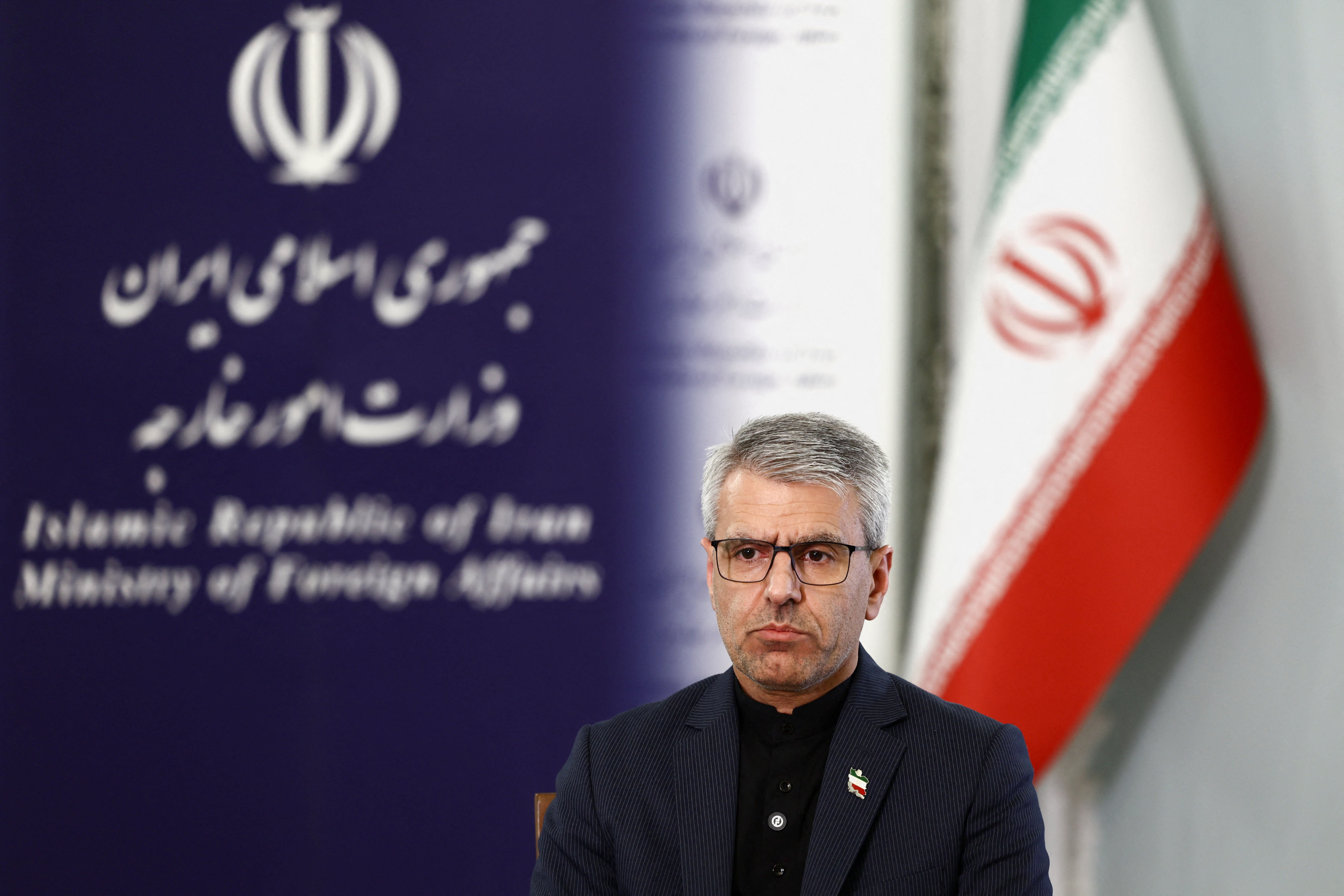
Iran’s Foreign Ministry spokesman Esmaeil Baghaei stated on Monday that Tehran sees no cause for concern over a newly announced defense pact between Pakistan, Turkey, and Saudi Arabia, portraying it as a shift by regional states toward relying on their own capabilities rather than outside powers. Baghaei added that the pact has a ‘chance of helping to strengthen security and prevent instability’ if it correctly identifies the enemy, which he named as Israel and its allies. Pakistan’s Deputy Prime Minister and Foreign Minister Ishaq Dar separately specified on Sunday that the agreement is purely defensive and not directed against any country, noting it is open for others to join.
Key Actors
- ·Esmaeil Baghaei(Iranian Foreign Ministry spokesman)Dismissed the pact as a threat to Iran, framing it as a constructive regional security initiative that properly identifies Israel as an enemy.
- ·Ishaq Dar(Deputy Prime Minister and Foreign Minister of Pakistan)Clarified that the trilateral agreement is purely defensive, not directed against any country, and open to additional participants.
- ·Trilateral Defense Pact (Pakistan-Turkey-Saudi Arabia)(Defense cooperation agreement)Announced as a defensive mechanism aimed at strengthening regional peace and stability, with no named adversary.
Why It Matters
The pact signals a potential realignment in Middle Eastern and South Asian security cooperation, possibly filling a vacuum left by perceived U.S. retrenchment and offering an alternative to Iranian-backed networks. Iran’s measured reaction—neither condemning the pact nor treating it as a hostile bloc—suggests Tehran may seek to avoid antagonizing these powers or sees an opportunity to align against a common Israeli adversary. For Pakistan, the pact deepens ties with Gulf allies while balancing relations with Iran.
Watch For
Monitor whether additional states join the pact, particularly Gulf Cooperation Council members or Egypt. Iran’s subsequent diplomatic and proxy force posture—especially toward Saudi Arabia and Pakistan—will indicate if this rhetoric translates into strategic recalibration. The reaction from Israel and the United States, and any concrete joint military exercises or intelligence sharing under the pact, are key early indicators.
Generated 60d ago · Based on full articleAuto-Compiled
DAILY BRIEFING
Follow Iran
Get a daily briefing with the most critical developments from every active conflict zone. Concise. Verified. Free.
No spam. Unsubscribe anytime. Verified sources only.
This page aggregates and summarizes reporting from Jerusalem Post — Iran News. The Conflict Pulse does not author original reporting. Read the original source for full coverage.
CONFLICT OVERVIEW
Iran
Latest verified updates on Iran’s regional confrontation, U.S.–Israeli strikes, missile retaliation, proxy networks, sanctions, and Strait of Hormuz risks.
MORE REPORTING ON THIS REGION
Recent reporting from this region. These stories may cover different events.
LATEST FROM IRAN

DEVELOPINGAl Jazeera10h ago
Is Trump signalling a return to war with Iran after the midterms?

DEVELOPINGMiddle East Eye10h ago
Iranian human rights official says legal efforts under way over Minab attack
DEVELOPINGThe Guardian Middle East10h ago
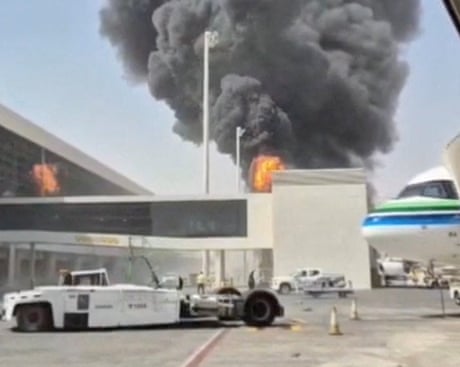
Three Saudis killed in Riyadh airport attack claimed by Houthis
REPORTMiddle East Eye13h ago
Morning update

REPORTAl Jazeera14h ago
Trump says US will not strike Iran before midterm elections
REPORTMiddle East Eye14h ago