BBC Middle East
centerREPORTIran says no new commitments on nuclear sites after Vance says inspectors to be invited back
Full BriefGenerated 1d ago
What Happened
After the first round of US–Iran talks in Bürgenstock, Switzerland, mediated by Qatar and Pakistan, US Vice President JD Vance claimed Iran would allow IAEA nuclear inspectors back into the country, possibly as soon as the same day. US President Donald Trump posted on social media that Iran 'will agree to have Major Weapons Inspections'. However, Iranian foreign ministry spokesman Esmail Baqai told state news agency Irna that Tehran had made 'no new commitments' on nuclear inspections, stating any engagement with UN inspectors would follow existing procedures set by Parliament and the Supreme National Security Council. The US Treasury issued a 60-day sanctions waiver authorizing the sale and delivery of Iranian oil in US dollars, with Treasury Secretary Scott Bessent linking the relief to Iran’s commitment to keep the Strait of Hormuz open and allow IAEA inspectors. Mediators announced a roadmap toward a final deal within 60 days and the creation of a US–Iran–Lebanon de-confliction cell to end military operations in Lebanon, where a fragile ceasefire with Hezbollah took hold.
Key Actors
- ·JD Vance(US Vice President)Claimed Iran will allow IAEA inspectors back and described talks as laying a 'very good foundation'.
- ·Esmail Baqai(Iranian Foreign Ministry Spokesman)Denied any new commitments on nuclear inspections, asserting engagement would follow existing national procedures.
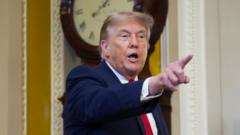
- ·Donald Trump(US President)Asserted Iran will agree to major weapons inspections and warned of consequences if Iran does not comply.
- ·Qatar and Pakistan(Mediators)Announced a 60-day roadmap to a final deal and a de-confliction cell for Lebanon.
Why It Matters
The talks and sanctions waiver represent the most concrete step toward a negotiated solution to the Iran nuclear standoff and broader regional tensions since the 2018 US withdrawal from the JCPOA. Conflicting statements on IAEA access reveal the fragility of the process and Iran’s domestic political constraints. The conditional opening of the Strait of Hormuz and the Lebanon de-confliction mechanism could stabilize critical maritime and military fault lines, while the 60-day waiver dismantles key sanctions, testing Tehran’s willingness to verifiably roll back its nuclear program.
Watch For
Monitor whether IAEA inspectors return to Iran this week and any official IAEA statement. Watch for the implementation of the 60-day roadmap, the operationalization of the Lebanon de-confliction cell, and the durability of the Hezbollah ceasefire. Track the next round of talks and any Iranian parliamentary or Supreme National Security Council reactions to the commitments outlined by mediators.
Generated 1d ago · Based on full articleAuto-Compiled
This page aggregates and summarizes reporting from BBC Middle East. The Conflict Pulse does not author original reporting. Read the original source for full coverage.
CONFLICT OVERVIEW
Iran
Latest verified updates on Iran’s regional confrontation, U.S.–Israeli strikes, missile retaliation, proxy networks, sanctions, and Strait of Hormuz risks.
SOURCE PERSPECTIVES
How outlets across the bias spectrum are covering this conflict.
LATEST FROM IRAN