
Middle East Eye
centerREPORTIran says its people are ‘professional chess players’ in dealing with the US
Full BriefGenerated 60d ago
What Happened
In the context of an ongoing US-Israeli military campaign against Iran that began in late February, Iran has issued a list of conditions for reopening the Strait of Hormuz, which it has largely kept closed since the war's onset. Iranian official Mohammad Bagher Zolghadr, as reported by Tasnim news agency on Saturday, demanded an end to the 'war and aggression against Iran and its allies in Lebanon, Palestine, Yemen and Iraq,' the lifting of a US counterblockade of Iranian ports, the termination of sanctions, the release of frozen Iranian assets, and compensation for wartime damage. Foreign ministry spokesman Esmail Baghaei on Monday stated that as long as the US naval blockade and other violations continue, the strait cannot be considered safe. Meanwhile, US President Donald Trump told Axios he was 'low-keying it' with Iran, letting economic pressure mount, and described the situation as 'like a chess game.' Baghaei responded: 'Iranians showed they are professional chess players.' Iran's Foreign Minister Abbas Araghchi said an agreement with Oman defining new shipping lanes through the strait was in its 'final stages,' but reiterated that Tehran would not reopen the channel until US demands are met. The US Central Command announced it had rerouted 55 commercial vessels towards Iran, disabled two, and inspected two others to enforce port restrictions.
Key Actors
- ·US (Trump administration / Centcom)(Counterparty enforcing naval blockade and economic pressure)Relying on sanctions and rerouting vessels rather than immediate military escalation; open to eventual negotiation but not direct talks until Iran complies with the interim June deal.
- ·Iran (Foreign Ministry / IRGC-linked officials)(Setting conditions for Strait of Hormuz reopening)Demanding end of war, lifting of blockade and sanctions, asset release, and compensation; framing strategy as a chess match.
- ·Oman(Mediator on strait shipping lanes)Facilitating an agreement with Iran on new shipping lanes, functioning as an intermediary for messages between Iran and the US.
- ·Israel(US ally in the regional conflict, subject to US peace efforts)Rejected Trump's 15-point Gaza plan; tensions with Washington over winding down fronts as Centcom chief reportedly conveyed desire to close all three fronts.
Why It Matters
The Strait of Hormuz is a critical chokepoint for global energy supplies—about one-fifth of the world’s oil and LNG transits the waterway. Iran’s closure of the strait, combined with US counterblockade operations, threatens severe economic disruption and risks a direct military confrontation. The exchange of demands and chess-game rhetoric suggests a protracted standoff that could draw in Iran-backed groups across the region—Hezbollah, Houthis, Iraqi militias—and test the cohesion of the US-Israeli alliance, especially given Netanyahu’s rejection of the Gaza peace proposal.
Watch For
Finalization of the Iran-Oman shipping lane agreement and whether it forces a US response; any shift in US military posture from interdiction to higher-risk operations; the status of indirect message exchanges; Israel’s next move on Gaza after rejecting the Trump plan, and potential blowback from the Centcom chief’s reported message to wind down fronts.
Generated 60d ago · Based on full articleAuto-Compiled

DAILY BRIEFING
Follow Iran
Get a daily briefing with the most critical developments from every active conflict zone. Concise. Verified. Free.
No spam. Unsubscribe anytime. Verified sources only.
This page aggregates and summarizes reporting from Middle East Eye. The Conflict Pulse does not author original reporting. Read the original source for full coverage.
CONFLICT OVERVIEW
Iran
Latest verified updates on Iran’s regional confrontation, U.S.–Israeli strikes, missile retaliation, proxy networks, sanctions, and Strait of Hormuz risks.
MORE REPORTING ON THIS REGION
Recent reporting from this region. These stories may cover different events.
LATEST FROM IRAN

DEVELOPINGAl Jazeera9h ago
Is Trump signalling a return to war with Iran after the midterms?

DEVELOPINGMiddle East Eye10h ago
Iranian human rights official says legal efforts under way over Minab attack
DEVELOPINGThe Guardian Middle East10h ago
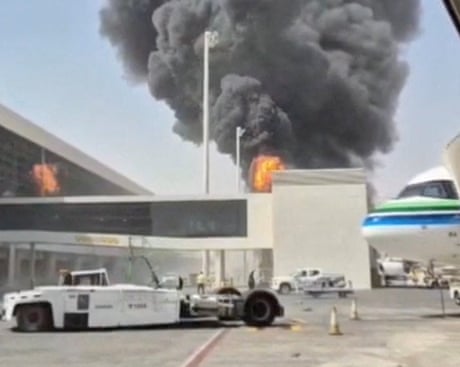
Three Saudis killed in Riyadh airport attack claimed by Houthis
REPORTMiddle East Eye13h ago
Morning update

REPORTAl Jazeera14h ago
Trump says US will not strike Iran before midterm elections
REPORTMiddle East Eye14h ago