
Jerusalem Post — Iran News
rightREPORTIran's president says interaction with supreme leader is currently 'very difficult'
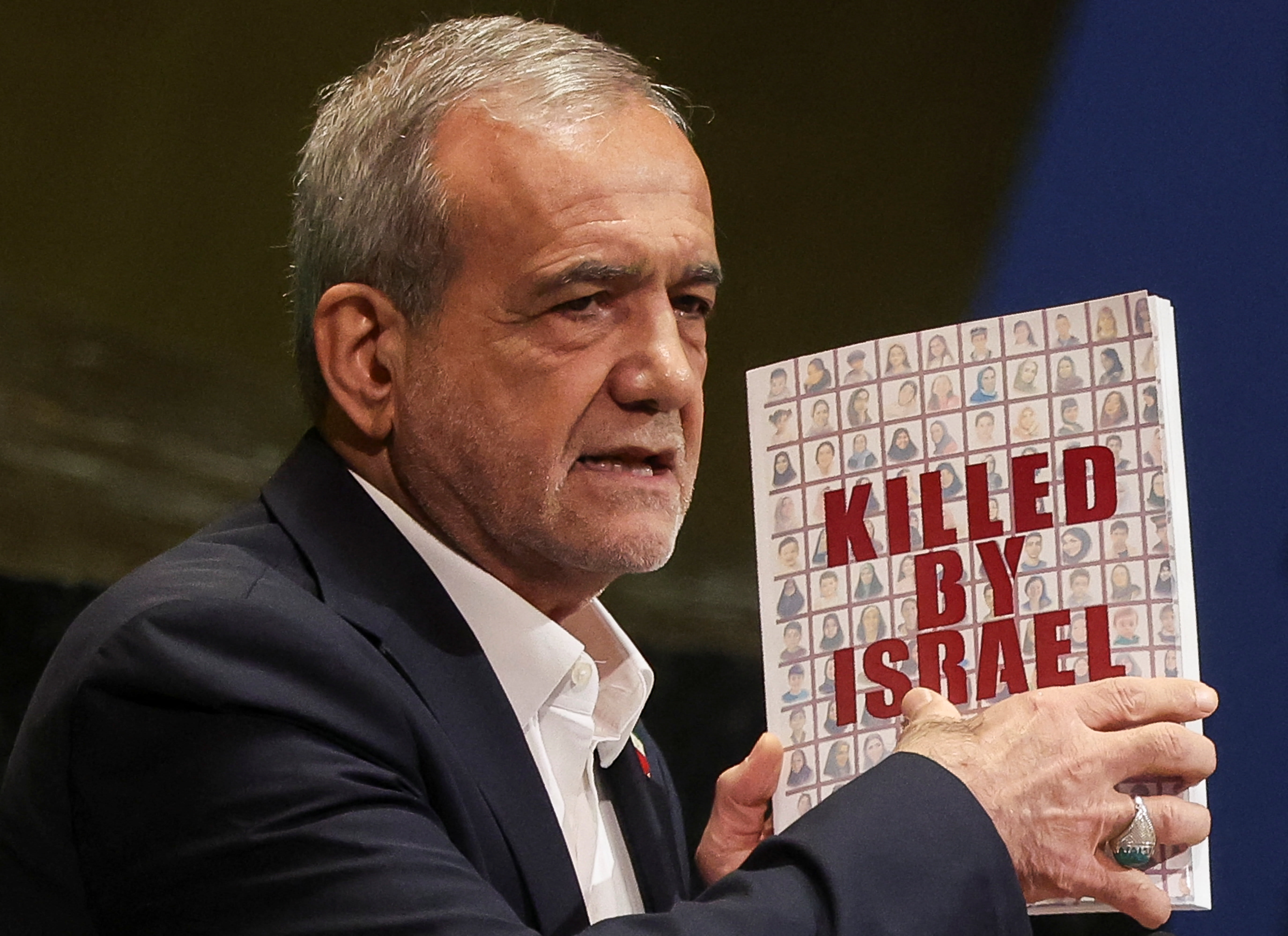
Full BriefGenerated 19d ago
What Happened
Iranian President Masoud Pezeshkian stated in a Wednesday state television interview that his interaction with Supreme Leader Mojtaba Khamenei is currently 'very difficult.' This follows reports from the Iranian media outlet Tabnak that Mojtaba Khamenei issued a letter warning Pezeshkian that he would accept the president's resignation if it were resubmitted. Additionally, Pezeshkian held a phone call with Hamas political bureau head Khalil al-Hayya, during which the Iranian president pledged support for decisions made by Palestinian leadership regarding indirect negotiations with Israel. Meanwhile, the Tehran Municipality-affiliated daily Al-Mashhari reported that the Iranian state is withholding audio recordings of the Supreme Leader due to concerns that acoustic signatures, electrical grid interference, or voice stress patterns could expose his current location and physical condition.
Key Actors
- ·Masoud Pezeshkian(President of Iran)Publicly described his working relationship with the Supreme Leader as difficult while affirming support for Hamas in negotiations.
- ·Mojtaba Khamenei(Supreme Leader of Iran)Reportedly warned the president against resigning and has maintained a low public profile amid security concerns.
- ·Khalil al-Hayya(Head of Hamas political bureau)Engaged in a phone call with the Iranian president to discuss ongoing indirect negotiations with Israel.
Why It Matters
The reported friction between the Iranian presidency and the Supreme Leader suggests potential instability within the Iranian executive branch during a period of heightened regional conflict. The focus on the Supreme Leader's security and the lack of public appearances indicate significant internal concerns regarding the regime's operational continuity and vulnerability to intelligence gathering by external adversaries.
Watch For
Monitor for further public statements from the Iranian presidency regarding the status of the cabinet or potential resignation threats, as well as any official confirmation or denial from the Supreme Leader's office regarding the reported letter to Pezeshkian. Additionally, observe any shifts in Iranian policy toward Hamas-Israel negotiations following the stated commitment to support Palestinian leadership decisions.
Generated 19d ago · Based on full articleAuto-Compiled
This page aggregates and summarizes reporting from Jerusalem Post — Iran News. The Conflict Pulse does not author original reporting. Read the original source for full coverage.
CONFLICT OVERVIEW
Iran
Latest verified updates on Iran’s regional confrontation, U.S.–Israeli strikes, missile retaliation, proxy networks, sanctions, and Strait of Hormuz risks.
SOURCE PERSPECTIVES
How outlets across the bias spectrum are covering this conflict.
LATEST FROM IRAN

REPORTMiddle East Eye11d ago
Iran formalises Strait of Hormuz control as US struggles to sustain war it launched with Israel

REPORTAl Jazeera11d ago
US threatens ‘indefinite’ blockade against Iran: How long can it last?

REPORTMiddle East Eye11d ago
Morning update
REPORTMiddle East Eye11d ago
Vance says US will end up 'in a stronger position' than Iran

REPORTJerusalem Post — Iran News11d ago
US Treasury Secretary Bessent says US to apply measures 'never seen before' on Iran

REPORTAl Jazeera11d ago