
Al Jazeera
centerREPORTIran pushing accelerated plan for ceasefire talks with US
Full BriefGenerated 19h ago
What Happened
The Iranian Foreign Ministry announced on Monday that it has condensed its previously proposed seven-step ceasefire plan, claiming it can now be implemented within two days. Foreign Ministry spokesman Esmaeil Baghaei stated that the proposal, which includes the reopening of the Strait of Hormuz and a return to nuclear negotiations, remains contingent on the United States meeting Iranian demands, including the lifting of sanctions and a regional ceasefire. According to the state news agency IRNA, Supreme Leader Mojtaba Khamenei has authorized the government to accelerate these diplomatic efforts. Foreign Minister Abbas Araghchi confirmed that Tehran is engaged in indirect talks facilitated by Qatar and Pakistan, while maintaining that Iran is prepared for either a diplomatic resolution or military confrontation.
Key Actors
- ·Esmaeil Baghaei(Foreign Ministry Spokesman)Stated that Iran's proposal is condensed and ready for implementation within two days if US conditions are met.
- ·Donald Trump(United States President)Characterized negotiations as going fine while suggesting the possibility of military action against Iran following the November 3 US midterm elections.
- ·Abbas Araghchi(Foreign Minister)Reiterated that Iran is prepared for both diplomacy and military confrontation depending on the outcome of the current negotiations.
- ·Mojtaba Khamenei(Supreme Leader)Reportedly granted the government authority to accelerate talks with the United States to end the regional conflict.
Why It Matters
The proposal represents a potential shift in the diplomatic standoff between Tehran and Washington, as both sides navigate the threat of renewed military escalation. The inclusion of the Strait of Hormuz and nuclear program talks in the ceasefire framework highlights the critical intersection of regional maritime security and global non-proliferation efforts. The outcome of these indirect negotiations remains uncertain, as there is no indication that the United States has accepted the specific conditions set by Iran.
Watch For
Monitor the aftermath of the November 3 US midterm elections, which President Donald Trump has linked to potential military decisions regarding Iran. Additionally, observe reports from Qatari and Pakistani mediators regarding any formal response from the United States to the condensed Iranian proposal, as well as any changes in the security status of the Strait of Hormuz.
Generated 19h ago · Based on full articleAuto-Compiled

DAILY BRIEFING
Follow Iran
Get a daily briefing with the most critical developments from every active conflict zone. Concise. Verified. Free.
No spam. Unsubscribe anytime. Verified sources only.
This page aggregates and summarizes reporting from Al Jazeera. The Conflict Pulse does not author original reporting. Read the original source for full coverage.
CONFLICT OVERVIEW
Iran
Latest verified updates on Iran’s regional confrontation, U.S.–Israeli strikes, missile retaliation, proxy networks, sanctions, and Strait of Hormuz risks.
MORE REPORTING ON THIS REGION
Recent reporting from this region. These stories may cover different events.
LATEST FROM IRAN

DEVELOPINGMiddle East Eye11h ago
Trump says US might have to 'go after' Iran's Pickaxe Mountain if no deal is reached

REPORTJerusalem Post — Iran News12h ago
Trump 'days away' from launching nuclear strike on Iran, Tucker Carlson claims
REPORTJerusalem Post — Iran News15h ago
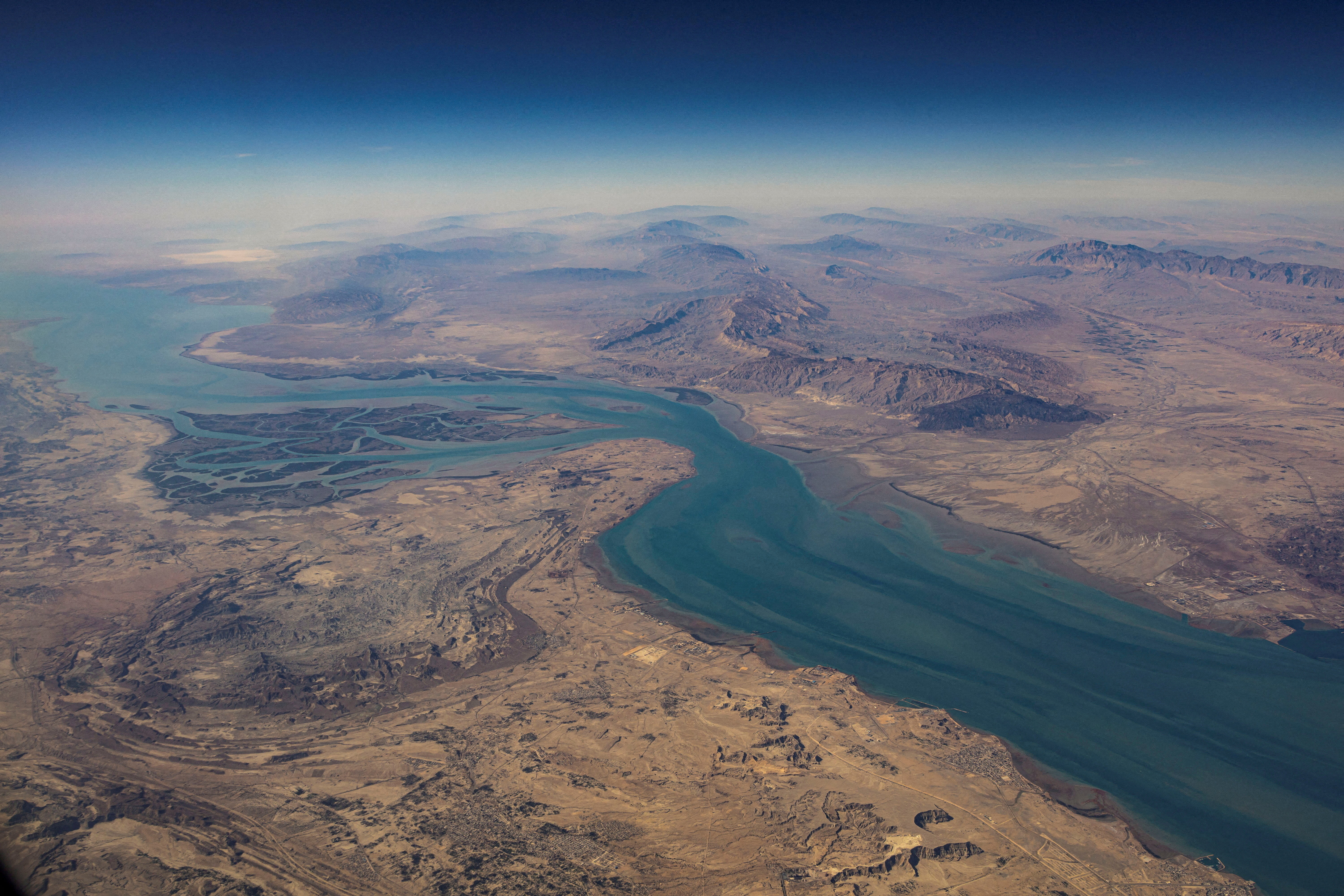
US carries out 'defensive' strikes on Qeshm Island after Iran downs drone, officials tell 'Post'
REPORTJerusalem Post — Iran News18h ago
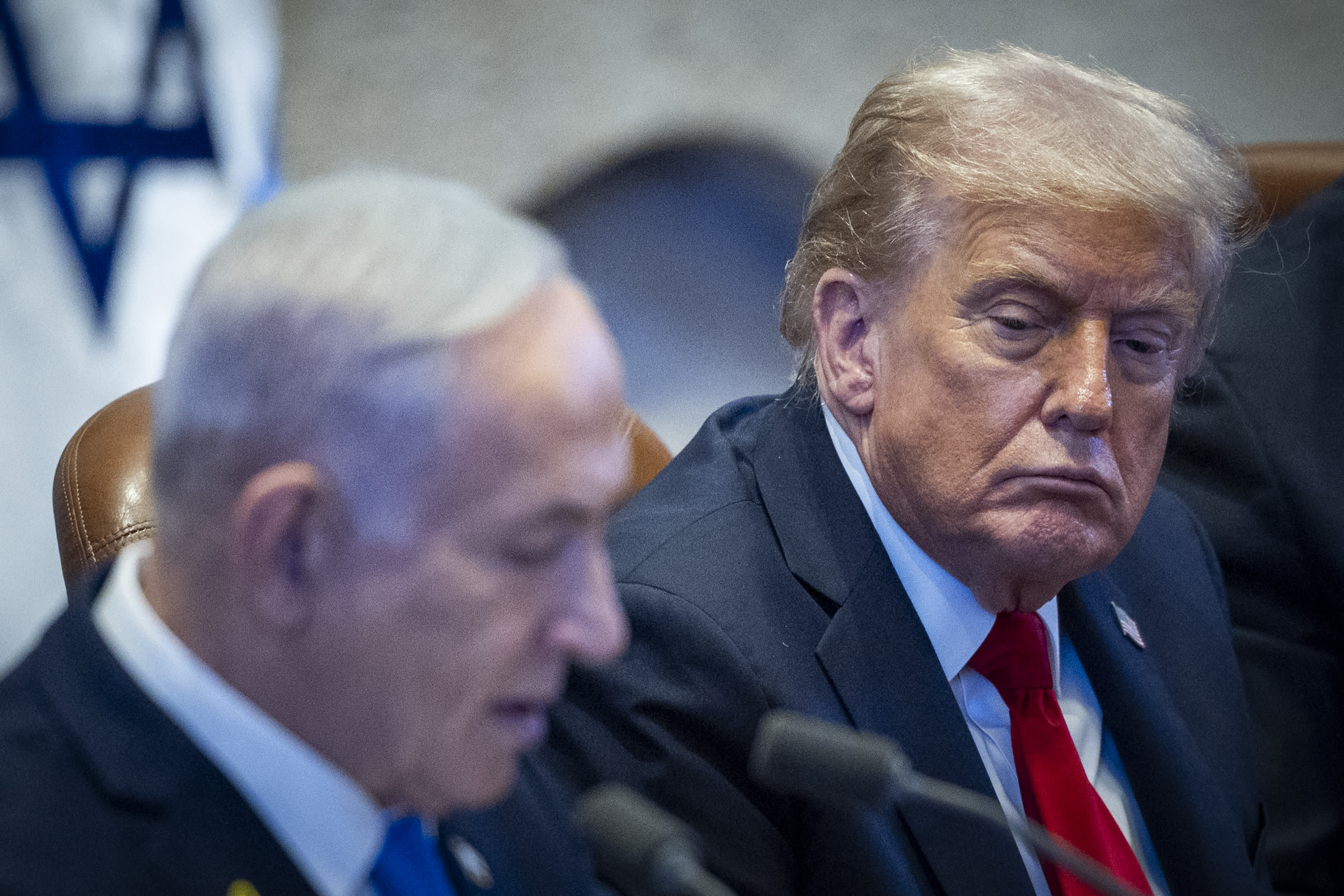
Trump raises doubts over renewed attacks on Iran

REPORTAl Jazeera18h ago
War, tariffs and China: What the US midterms mean for the Asia-Pacific

REPORTMiddle East Eye20h ago