The Guardian Middle East
leftREPORTIran proves it can still inflict damage despite waves of US attacks
Full BriefGenerated 8d ago
What Happened
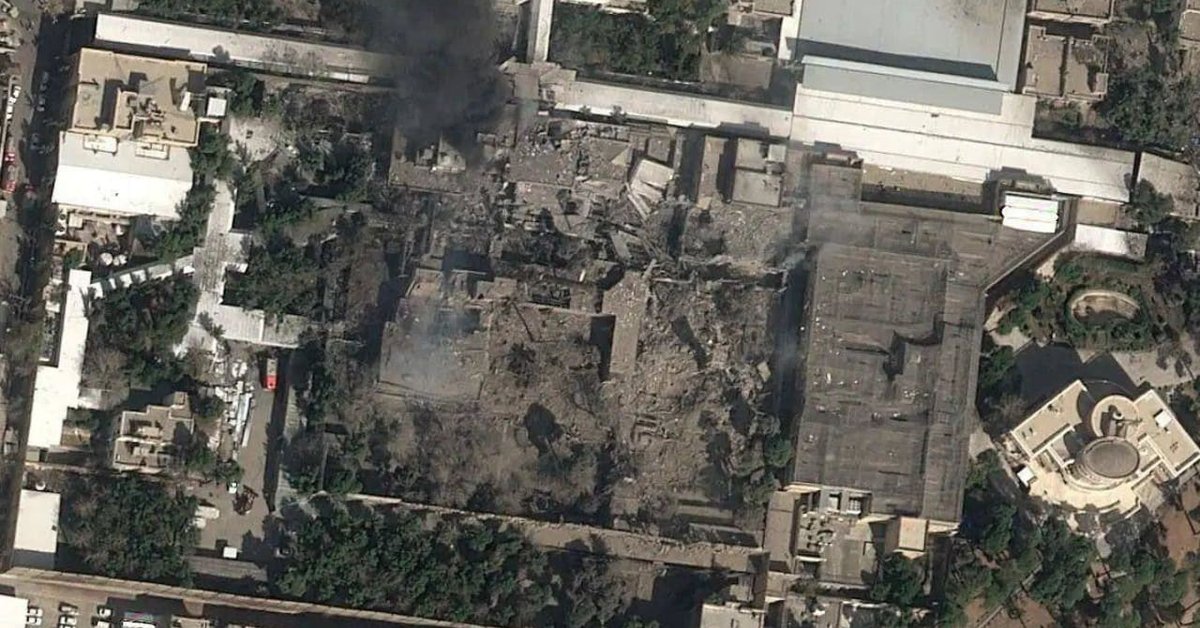
The United States and Iran have engaged in six consecutive days of military exchanges, marking a significant escalation in regional hostilities. US forces conducted airstrikes targeting Iranian port infrastructure, including a tower at Chabahar and transit routes leading to Bandar Abbas. In response, Iranian forces launched missile strikes against critical infrastructure in Kuwait, specifically damaging a power and desalination plant. Additionally, the UK Maritime Trade Organisation reported that three oil tankers were struck by missiles near the Strait of Hormuz and the Gulf of Oman, resulting in one fatality and eight injuries. These events follow reports that Iran has restored access to 30 of 33 missile launch sites along the Strait of Hormuz and recovered approximately 70% of its pre-war missile stockpile.
Key Actors
- ·United States(State actor)The US is conducting an aerial bombing campaign against Iranian infrastructure and enforcing a naval blockade in the Gulf of Oman.
- ·Iran(State actor)Iran is utilizing its missile and drone capabilities to strike regional infrastructure and commercial shipping to counter US military pressure.
- ·Kuwait(State actor)Kuwait sustained damage to a critical power and desalination plant following an Iranian missile strike.
Why It Matters
The conflict has severely disrupted maritime traffic through the Strait of Hormuz, with daily transits dropping to three as of Thursday, and triggered a rise in Brent crude oil prices to $82. The exchange highlights the limitations of the US military strategy, as intelligence assessments suggest that despite extensive bombing campaigns, Iran retains sufficient missile and drone capabilities to threaten regional infrastructure and global energy supplies, while the US faces depletion of its own air defense interceptors and long-range missiles.
Watch For
Monitor potential US escalation following threats to target Iranian power plants, which analysts warn could be classified as a war crime. Additionally, observe the status of the USS Boxer amphibious group and the potential for a US ground operation targeting Kharg Island, as well as further impacts on regional water security and global oil prices resulting from the ongoing blockade of the Strait of Hormuz.
Generated 8d ago · Based on full articleAuto-Compiled
This page aggregates and summarizes reporting from The Guardian Middle East. The Conflict Pulse does not author original reporting. Read the original source for full coverage.
CONFLICT OVERVIEW
Iran
Latest verified updates on Iran’s regional confrontation, U.S.–Israeli strikes, missile retaliation, proxy networks, sanctions, and Strait of Hormuz risks.
SOURCE PERSPECTIVES
How outlets across the bias spectrum are covering this conflict.
left
US expands Iran attacks as Trump warns Tehran and Houthis over Red Sea strikes
The Guardian Middle EastHow Chinese tech and Russian tactics are aiding Iran’s bombing of US bases
The Guardian AsiaLATEST FROM IRAN