
BBC Middle East
centerREPORTIran deal presents political nightmare for Netanyahu
Full BriefGenerated 123d ago
What Happened
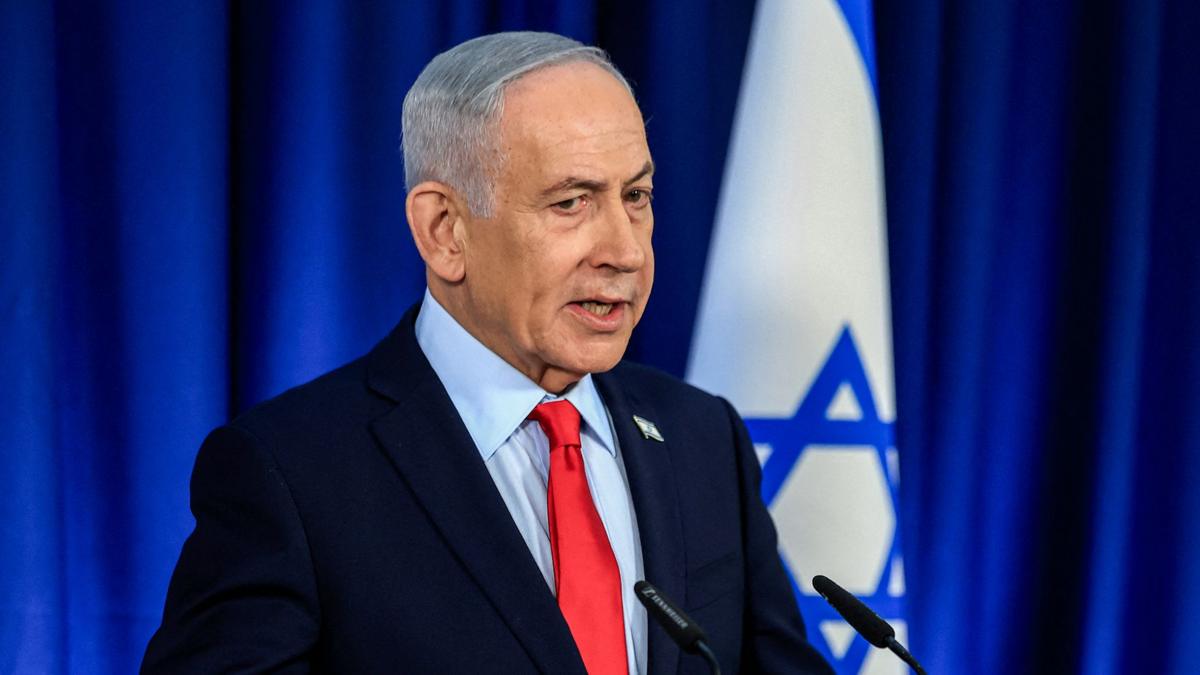
A United States-brokered ceasefire agreement with Iran has placed Israeli Prime Minister Benjamin Netanyahu in a political bind. The deal reportedly includes a demand from Tehran that the ceasefire cover ‘military operations on all fronts, including Lebanon’, effectively requiring Israel to halt strikes against Hezbollah. US President Donald Trump publicly criticised Netanyahu for ‘show[ing] no judgement’ in ordering a strike on Beirut. Israeli far-right National Security Minister Itamar Ben-Gvir declared that ‘Trump’s agreement does not bind us’, while opposition leader Yair Lapid framed the choice as ‘either a direct and destructive confrontation with our greatest ally, or a submissive surrender of Israeli interests’. Netanyahu himself remained absent from public comment, a silence interpreted as a sign of difficulty in deciding a response.
The episode threatens to shatter the cornerstones of Netanyahu’s political career: his claim to special influence in Washington, his image as ‘Mr Security’, and his aggressive pre‑emptive security policy. Former Mossad official Sima Shine said the US acceptance of Iran’s terms was difficult to understand, arguing it allows Tehran to ensure Hezbollah remains a major political actor in Lebanon. With elections due by October, Israeli forces stretched across Gaza, Lebanon, and Syria, and no clear diplomatic exit, Netanyahu is caught between defying the US or appearing to capitulate, eroding his electoral narrative.
Key Actors
- ·Benjamin Netanyahu(Prime Minister of Israel)Faces a political dilemma from the US–Iran ceasefire that demands Israel stop Lebanon operations; his silence signals difficulty, and his long-standing security claims are undermined.
- ·Donald Trump(President of the United States)Brokered the ceasefire with Iran, publicly berated Netanyahu’s strike on Beirut, and accepted terms that constrain Israeli military action, sidelining Netanyahu’s influence.
- ·Itamar Ben-Gvir(Israeli National Security Minister (far‑right))Rejected the agreement as non‑binding, asserting Israel will continue to protect itself, underscoring coalition pressure on Netanyahu to ignore the ceasefire.
- ·Sima Shine(Former Mossad official and Iran specialist)Criticised the US for allowing Iran to dictate Hezbollah’s political future in Lebanon, stating that neither Israel’s security establishment nor its political echelon is pleased with the arrangement.
Why It Matters
The agreement unravels Netanyahu’s core electoral promise of unique security guardianship and US influence, leaving Iran arguably stronger while Israeli forces are overstretched and elections loom. It exposes a rift with Washington that the Prime Minister can no longer bypass through Congress, as hard‑line coalition members threaten to trigger a direct confrontation with Israel’s key ally. Regionally, the deal risks cementing Hezbollah’s political role in Lebanon under Iranian sponsorship, undermining Israeli military gains and raising the prospect of a prolonged occupation without a diplomatic off‑ramp, all against the backdrop of a stalled Gaza ceasefire and the October 2023 Knesset election deadline.
Watch For
Israeli legislative elections due by October 2023; any resumption of Israeli strikes on Hezbollah in Lebanon and whether the US responds with punitive measures; a possible public statement or political manoeuvre by Netanyahu; reactions from Hezbollah and Iran to potential violations; the status of the stalled Gaza ceasefire and its interplay with the Lebanon front; and the durability of the US–Iran ceasefire terms, particularly as Israeli far‑right ministers challenge its provisions.
Generated 123d ago · Based on full articleAuto-Compiled
DAILY BRIEFING
Follow Israel–Palestine
Get a daily briefing with the most critical developments from every active conflict zone. Concise. Verified. Free.
No spam. Unsubscribe anytime. Verified sources only.
This page aggregates and summarizes reporting from BBC Middle East. The Conflict Pulse does not author original reporting. Read the original source for full coverage.
CONFLICT OVERVIEW
Israel–Palestine
Latest verified updates on Gaza, the West Bank, Israeli military operations, Palestinian politics, humanitarian conditions, and international diplomacy.
Active since May 1948
MORE REPORTING ON THIS REGION
Recent reporting from this region. These stories may cover different events.
LATEST FROM ISRAEL–PALESTINE

DEVELOPINGAl Jazeera1h ago
As Israel blocks PA funding, the West Bank’s healthcare system is failing

DEVELOPINGMiddle East Eye2h ago
Why Israel's claims cannot be accepted at face value

DEVELOPINGMiddle East Eye5h ago
Israeli forces arrest two Palestinians, settlers open fire at farmers in West Bank

DEVELOPINGAl Jazeera6h ago
The Israeli politicians seeking to replace Netanyahu
DEVELOPINGMiddle East Eye7h ago
US lawmakers demand action after attack on Washington Post journalist
DEVELOPINGMiddle East Eye8h ago