
Al Jazeera
centerREPORTIran changed the rules in Hormuz. The Gulf is changing the rules for Iran
Full BriefGenerated 60d ago
What Happened
Negotiations between the United States, Iran, and Oman regarding the reopening of the Strait of Hormuz remain deadlocked over transit fees and territorial control. While a US official claimed an agreement was imminent, the Islamic Revolutionary Guard Corps (IRGC) rejected this, insisting that passage remains contingent on Iran's specific conditions. Simultaneously, Saudi Arabia, Turkiye, and Pakistan signed the Mecca Joint Defence Agreement, a mutual defence pact stipulating that an attack on one member constitutes an attack on all. This development follows reports that Iran launched over 700 missiles and drones toward Saudi Arabia in the five months preceding late March, alongside ongoing Houthi attacks in the Najran region and threats from Iran-aligned Iraqi militias.
Key Actors
- ·IRGC(Iranian military branch)Maintains that reopening the Strait of Hormuz depends on Iran's conditions and continues to utilize regional proxies to project power.
- ·Saudi Arabia(Regional state actor)Formed a new security alliance with Turkiye and Pakistan to counter Iranian missile and drone threats.
- ·United States(Global power and regional security guarantor)Seeks to restore international commercial shipping through the Strait of Hormuz while maintaining sanctions on Iranian transit payments.
Why It Matters
The formation of the Mecca Joint Defence Agreement signals a shift in regional security architecture, as Saudi Arabia seeks to diversify its defence options beyond its existing ties with the United States. By linking its security to Turkiye and Pakistan, Riyadh aims to create a deterrent against Iranian proxy warfare and direct strikes, complicating Tehran's ability to isolate individual Gulf states through military or economic pressure.
Watch For
Monitor whether Egypt formally joins the Mecca Joint Defence Agreement, which would significantly expand the pact's regional influence. Additionally, observe how Iran tests the new alliance through potential proxy escalations in Yemen or Iraq, and whether the United States and Iran reach a functional compromise on shipping protocols that satisfies both international maritime insurers and US sanctions compliance.
Generated 60d ago · Based on full articleAuto-Compiled

DAILY BRIEFING
Follow Iran
Get a daily briefing with the most critical developments from every active conflict zone. Concise. Verified. Free.
No spam. Unsubscribe anytime. Verified sources only.
This page aggregates and summarizes reporting from Al Jazeera. The Conflict Pulse does not author original reporting. Read the original source for full coverage.
CONFLICT OVERVIEW
Iran
Latest verified updates on Iran’s regional confrontation, U.S.–Israeli strikes, missile retaliation, proxy networks, sanctions, and Strait of Hormuz risks.
MORE REPORTING ON THIS REGION
Recent reporting from this region. These stories may cover different events.
LATEST FROM IRAN

DEVELOPINGAl Jazeera9h ago
Is Trump signalling a return to war with Iran after the midterms?

DEVELOPINGMiddle East Eye10h ago
Iranian human rights official says legal efforts under way over Minab attack
DEVELOPINGThe Guardian Middle East10h ago
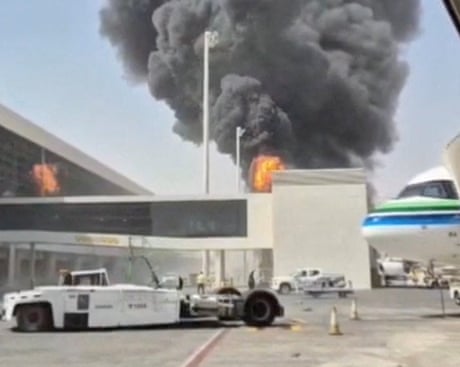
Three Saudis killed in Riyadh airport attack claimed by Houthis
REPORTMiddle East Eye13h ago
Morning update

REPORTAl Jazeera14h ago
Trump says US will not strike Iran before midterm elections
REPORTMiddle East Eye14h ago