The Guardian Middle East
leftREPORTTwo US troops killed and one missing in Jordan after Iranian attacks
Full BriefGenerated 7d ago
What Happened
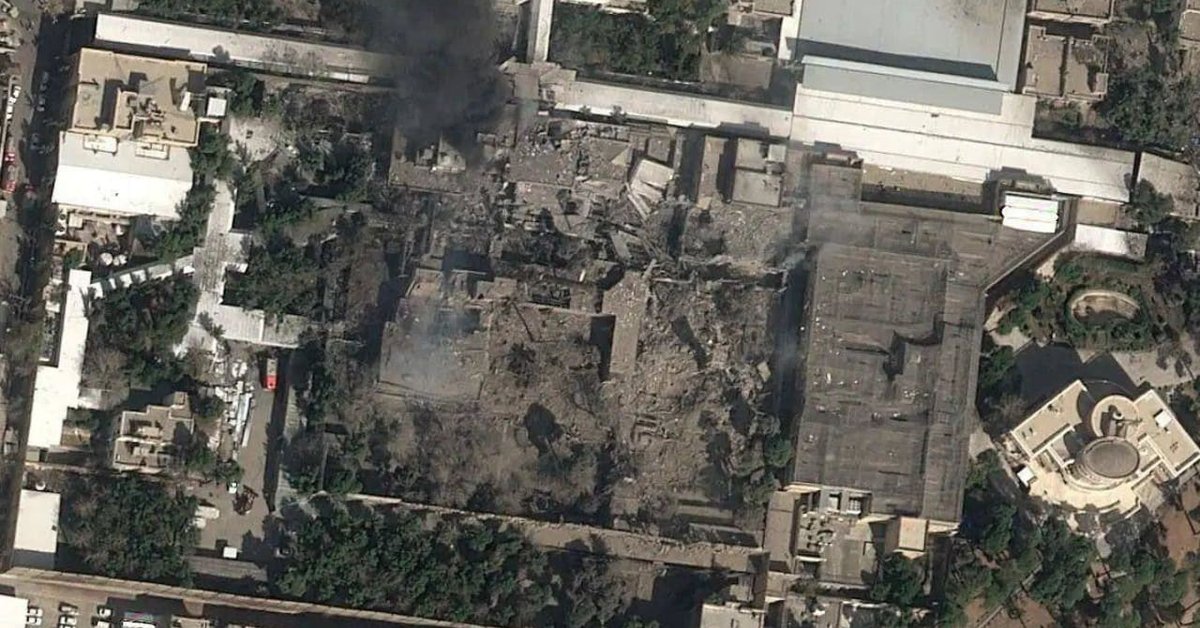
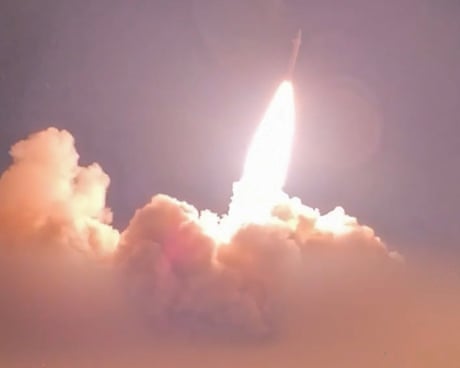
Iran, through the Islamic Revolutionary Guard Corps (IRGC), launched a wave of missile and drone attacks against US allies in the Middle East, marking a sharp escalation after US strikes on Iranian territory entered a second week. Kuwait accused Iran of targeting civilian infrastructure, including a power and water desalination plant that supplies about 90% of the country's drinking water, and an oil facility operated by the Kuwait Petroleum Corporation, resulting in injuries and significant material damage. Kuwait briefly closed its airspace and reported several firefighters and a worker injured while battling blazes. Bahrain activated air raid sirens warning of possible incoming drones or missiles, and Jordan's state news agency said its air defenses downed Iranian missiles. The IRGC claimed to have hit a US military support center at Camp Arifjan and destroyed a radar facility at Ali Al Salem airbase in Kuwait, targeted a US airbase at Azraq in Jordan, destroying two US fighter aircraft and three other aircraft, and struck a site at Sheikh Isa airbase in Bahrain with US combat aircraft. The IRGC also claimed that two oil tankers struck mines in the Strait of Hormuz and that it stopped four ships, assertions the US military denied. Meanwhile, US Central Command said its strikes, conducted nightly for seven consecutive nights, aimed to degrade Iranian military capabilities, hitting surveillance sites, logistics infrastructure, underground weapons storage, and maritime assets. Iranian media reported explosions in Sirik, Ahvaz, and Yazd, and Iran's health ministry said the US strikes killed 50 people and wounded over 500. For the first time, Iran's energy ministry acknowledged successful US attacks on power infrastructure, urging reduced electricity use in southern provinces. A senior IRGC adviser warned that Iran would shift to 'full-scale offensive operations' if US strikes continued for another two or three days.
Key Actors
- ·Islamic Revolutionary Guard Corps (IRGC)(Iranian military branch responsible for external operations and ballistic missile programs)Conducted missile and drone strikes on Kuwait, Bahrain, and Jordan; claimed attacks on US facilities and interference with shipping in the Strait of Hormuz; threatened escalated operations if US strikes persist.
- ·United States Central Command (CENTCOM)(US military command conducting strikes on Iranian targets)Carried out nightly strikes for seven consecutive days targeting Iranian military and logistics sites, denying Iranian claims about tankers in the Strait of Hormuz.
- ·Kuwait(US ally targeted by Iranian strikes)Accused Iran of striking civilian desalination and oil infrastructure, causing injuries and material losses; briefly closed airspace.
- ·Gulf Cooperation Council (GCC)(Regional bloc of Arab Gulf states)Condemned the attacks through Secretary-General Jasem Mohamed al-Budaiwi, calling strikes on civilian infrastructure war crimes requiring international accountability.
Why It Matters
The exchange marks a dangerous escalation in the longstanding standoff between Iran and the United States, now directly hitting US regional allies and threatening critical civilian infrastructure. Targeting of Kuwaiti desalination plants and oil facilities exposes the acute vulnerability of arid Gulf states to disruptions in water and energy security. The Strait of Hormuz incidents, if verified, could jeopardize the transit of roughly one-fifth of global oil supplies. Iran's explicit threat to abandon limited retaliation and conduct 'full-scale offensive operations' raises the risk of a broader, uncontained conflict that could draw in multiple regional powers and disrupt international trade flows.
Watch For
In the immediate term, monitor whether the US continues its nightly strikes, potentially triggering Iran's threatened shift to 'full-scale offensive operations' within 48–72 hours. Watch for further attacks on Gulf Arab infrastructure, disruption to shipping in the Strait of Hormuz, and responses from the GCC and broader international community. Key indicators include any new US strike reports, Iranian retaliatory launches, and emergency diplomatic sessions at the UN Security Council.
Generated 7d ago · Based on full articleAuto-Compiled
This page aggregates and summarizes reporting from The Guardian Middle East. The Conflict Pulse does not author original reporting. Read the original source for full coverage.
CONFLICT OVERVIEW
Iran
Latest verified updates on Iran’s regional confrontation, U.S.–Israeli strikes, missile retaliation, proxy networks, sanctions, and Strait of Hormuz risks.
SOURCE PERSPECTIVES
How outlets across the bias spectrum are covering this conflict.
left
US expands Iran attacks as Trump warns Tehran and Houthis over Red Sea strikes
The Guardian Middle EastHow Chinese tech and Russian tactics are aiding Iran’s bombing of US bases
The Guardian AsiaLATEST FROM IRAN