Middle East Eye
centerREPORTIran accuses US of violating international law after strike on nuclear plant

Full BriefGenerated 1d ago
What Happened
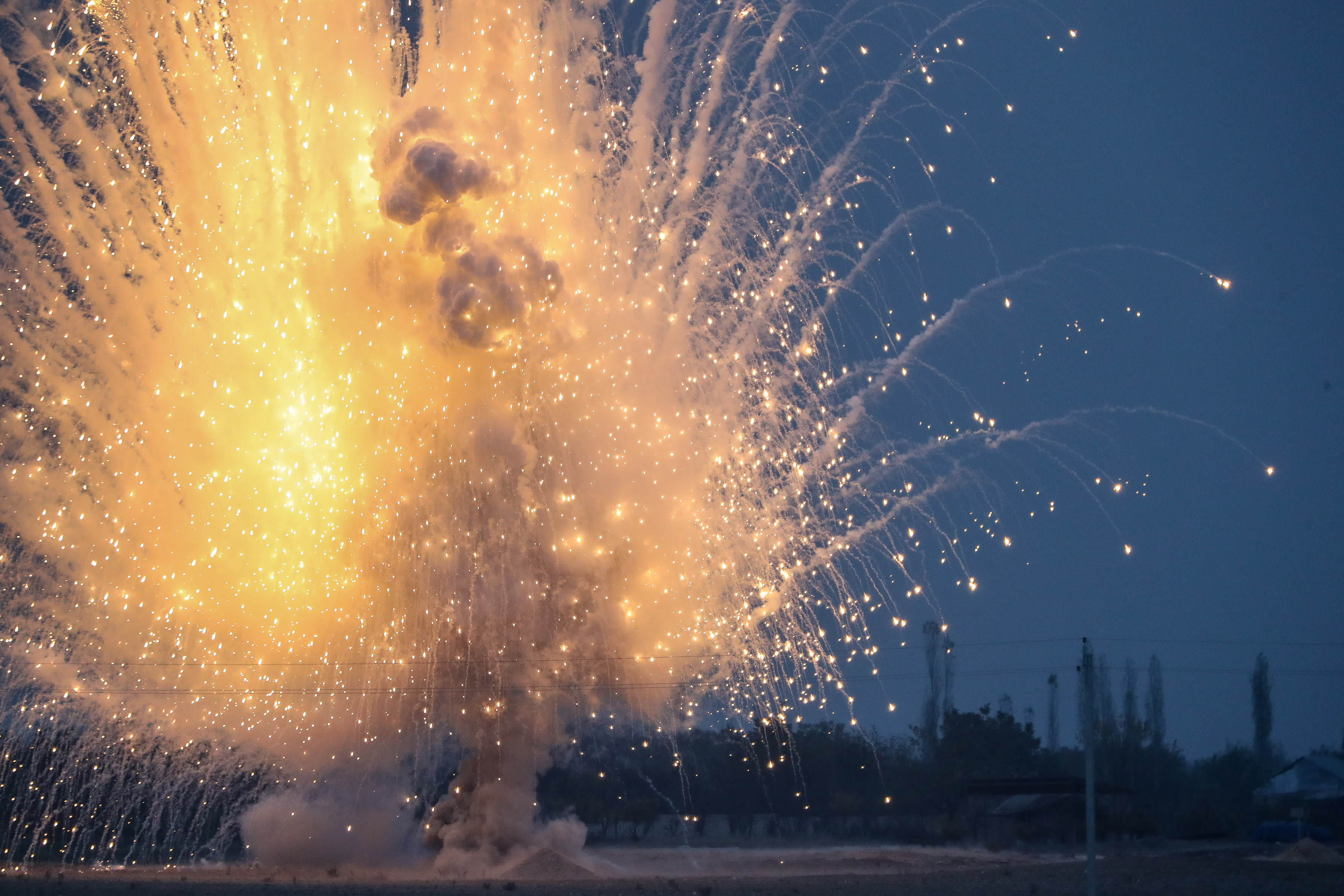
The United States bombed the construction site of Iran's Darkhovin Nuclear Power Plant in Khuzestan province, prompting the Atomic Energy Organization of Iran (AEOI) to accuse Washington of a 'terrorist and criminal' violation of international law. The International Atomic Energy Agency (IAEA) confirmed the facility was in the very early stages of construction, contained no nuclear material, and posed no radiological risk. US Central Command (Centcom) said strikes began at 6pm ET on Saturday, directed by President Donald Trump, to degrade Iran's ability to threaten commercial shipping in the Strait of Hormuz and to punish Islamic Revolutionary Guard Corps (IRGC) forces for attacks on US service members in Jordan. Centcom later announced completion of the wave, targeting coastal surveillance and air defence facilities. Iran's Mehr News Agency reported an attack near Sirik with no casualties or infrastructure damage, while Tasnim News Agency reported a separate strike near Shadegan, close to the Iraqi border. Supreme Leader Mojtaba Khamenei, in a written statement, declared Trump's signature 'utterly worthless' and warned of 'even heavier costs and further humiliation' for the United States. The article states that Mojtaba Khamenei succeeded his father, Ali Khamenei, who was reportedly killed in a US-Israeli air strike on 28 February, when the broader conflict began.
Key Actors
- ·US Central Command (Centcom)(US military command)Conducted air strikes on Iranian coastal surveillance and air defence facilities, citing threats to shipping and retaliation for IRGC attacks on US forces in Jordan.
- ·Atomic Energy Organization of Iran (AEOI)(Iran's nuclear energy watchdog)Condemned the US bombing of the Darkhovin plant construction site as a violation of international law and an attack on Iranian dignity.
- ·Supreme Leader Mojtaba Khamenei(Supreme Leader of Iran)Warned that US actions demonstrate President Trump's signature is untrustworthy and threatened heavier costs in retaliation.
- ·International Atomic Energy Agency (IAEA)(UN nuclear watchdog)Confirmed the Darkhovin site held no nuclear material, assessed no radiological risk, and called for military restraint near nuclear-related sites.
Why It Matters
The direct US strike on an Iranian nuclear construction site marks a severe escalation in the US-Iran conflict, heightening the risk of radiological incidents and drawing urgent IAEA calls for restraint. It underscores the fragility of the collapsed interim ceasefire and intensifies the struggle for control over the Strait of Hormuz, threatening global energy supplies and inflation. Iran's leadership transition, following the reported death of previous Supreme Leader Ali Khamenei, injects further uncertainty into the conflict's trajectory and the credibility of future negotiations.
Watch For
IAEA investigation findings on the Darkhovin strike and any follow-up inspections; further US strikes on Iranian nuclear or IRGC targets; Iranian retaliation via proxy forces or direct missile attacks; statements from Iran's leadership and potential military mobilization; impact on oil shipping insurance and prices; any new ceasefire initiatives or diplomatic backchannel efforts, particularly through Oman.
Generated 1d ago · Based on full articleAuto-Compiled
This page aggregates and summarizes reporting from Middle East Eye. The Conflict Pulse does not author original reporting. Read the original source for full coverage.
CONFLICT OVERVIEW
Iran
Latest verified updates on Iran’s regional confrontation, U.S.–Israeli strikes, missile retaliation, proxy networks, sanctions, and Strait of Hormuz risks.
SOURCE PERSPECTIVES
How outlets across the bias spectrum are covering this conflict.
LATEST FROM IRAN