Times of Israel
centerLIVE UPDATEIn shift, Fatah opens leadership vote to terror convicts freed in hostage deals
Full BriefGenerated 17h ago
What Happened
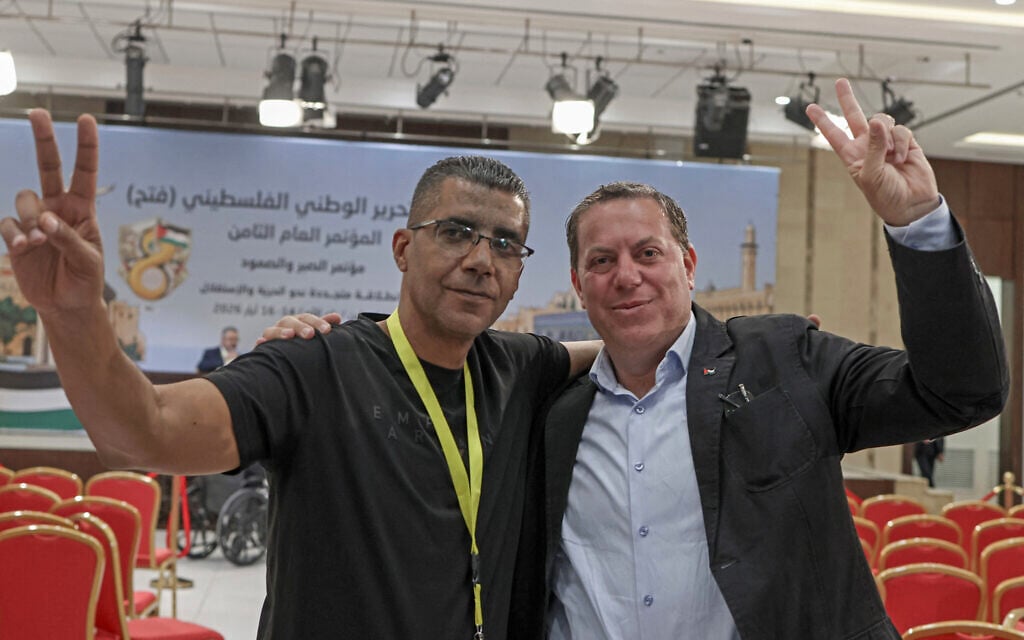
Fatah's eighth general conference, scheduled for May 2025, will for the first time allow Palestinian prisoners released in hostage exchange deals with Israel to vote and stand for election to the movement's leadership bodies. This marks a significant policy shift, as hundreds of individuals freed in swaps for Gaza hostages—including many who were serving life sentences for deadly attacks against Israelis—will now be eligible to participate in internal Fatah elections. The decision confirms the growing political influence of this cohort within the Palestinian Authority's dominant faction. The conference will elect members to Fatah's Central Committee and Revolutionary Council, the bodies that guide PA policy and strategy.
Key Actors
- ·Fatah(Dominant political faction within the Palestinian Authority)Voted to extend voting and candidacy rights to prisoners released in hostage deals, elevating their role in internal governance ahead of the May 2025 conference
- ·Released prisoners(Palestinians freed in Israeli-Hamas hostage exchange agreements, many serving life sentences for attacks)Newly enfranchised within Fatah's leadership selection process, representing a bloc with potential to reshape the movement's direction
- ·Palestinian Authority(Governing body in parts of the West Bank, led by Fatah)Stands to be influenced by the outcome of Fatah's May conference, as the Central Committee and Revolutionary Council set PA policy
Why It Matters
The enfranchisement of prisoners released in hostage deals signals a potential hardening of Fatah's political line and a shift in the internal balance of power within the Palestinian Authority. Many of these individuals were convicted of orchestrating or executing lethal attacks against Israeli civilians and soldiers, and their elevation within Fatah's decision-making structures could complicate future Israeli-Palestinian negotiations or ceasefire arrangements. It also reflects the symbolic and political capital that armed resistance and imprisonment carry within Palestinian politics, particularly as the PA faces legitimacy challenges from Hamas and other factions. The May conference will determine whether this bloc consolidates influence over the Central Committee and Revolutionary Council, which in turn shape the PA's stance on security coordination with Israel, governance in the West Bank, and engagement with Gaza-based actors.
Watch For
Monitor the composition of candidate lists and factional alignments ahead of Fatah's May 2025 conference, particularly whether released prisoners form a coordinated bloc or align with existing hardline or pragmatist wings. Watch for Israeli government reactions, as the elevation of individuals convicted of attacks could trigger policy responses regarding PA funding, security coordination, or diplomatic engagement. Track whether this decision prompts internal dissent within Fatah or criticism from international donors who fund the PA. Finally, observe whether Hamas or other Palestinian factions attempt to leverage this development to challenge Fatah's legitimacy or call for broader reconciliation talks.
Generated 17h ago · Based on full articleAuto-Compiled
This page aggregates and summarizes reporting from Times of Israel. The Conflict Pulse does not author original reporting. Read the original source for full coverage.
CONFLICT OVERVIEW
Israel–Palestine
Latest verified updates on Gaza, the West Bank, Israeli military operations, Palestinian politics, humanitarian conditions, and international diplomacy.
Active since May 1948
SOURCE PERSPECTIVES
How outlets across the bias spectrum are covering this conflict.
LATEST FROM ISRAEL–PALESTINE